
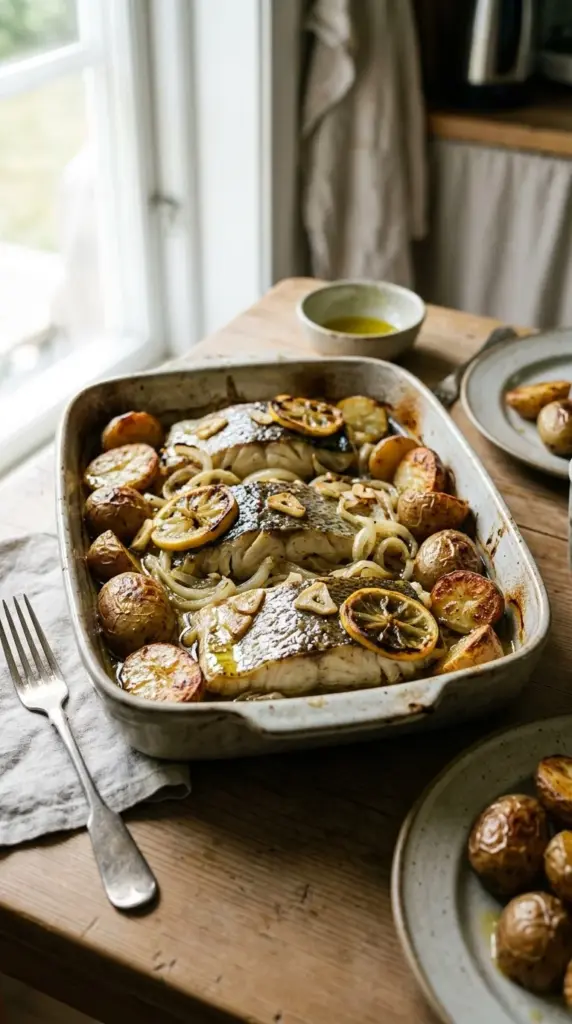

Portugal has approximately 830 kilometres of Atlantic coastline on the mainland and some of the most productive fishing waters in Europe. Its national dish is a fish that Portugal stopped catching at scale fifty years ago.
Bacalhau is dried, salted cod — a species native to the cold waters of Norway, Iceland, and the Grand Banks of Newfoundland. Portugal imports approximately 70% of its supply from Norway. The rest comes primarily from Iceland. No meaningful quantity of bacalhau currently consumed in Portugal was caught by a Portuguese boat.
This is worth knowing because it clarifies what bacalhau actually is: not a product of Portugal’s coastline, but a product of Portugal’s culinary tradition. The country eats roughly 70,000 tonnes per year, which works out to approximately 16 kilograms per person — the highest per capita consumption of dried salt cod anywhere on earth.
I have been guiding clients across Portugal for more than twenty years. When visitors ask what to eat in Lisbon, bacalhau comes up before the third sentence. When they ask what to order, the answer takes longer, because bacalhau is not one dish. It is a family of preparations — each with distinct ingredients, technique, and regional identity. Ordering the wrong one is the most common mistake a first-time visitor makes.
This article covers what bacalhau is, how Portugal came to depend on it, and which preparations to understand before you sit down to a menu.
What Bacalhau Is (and Isn’t)
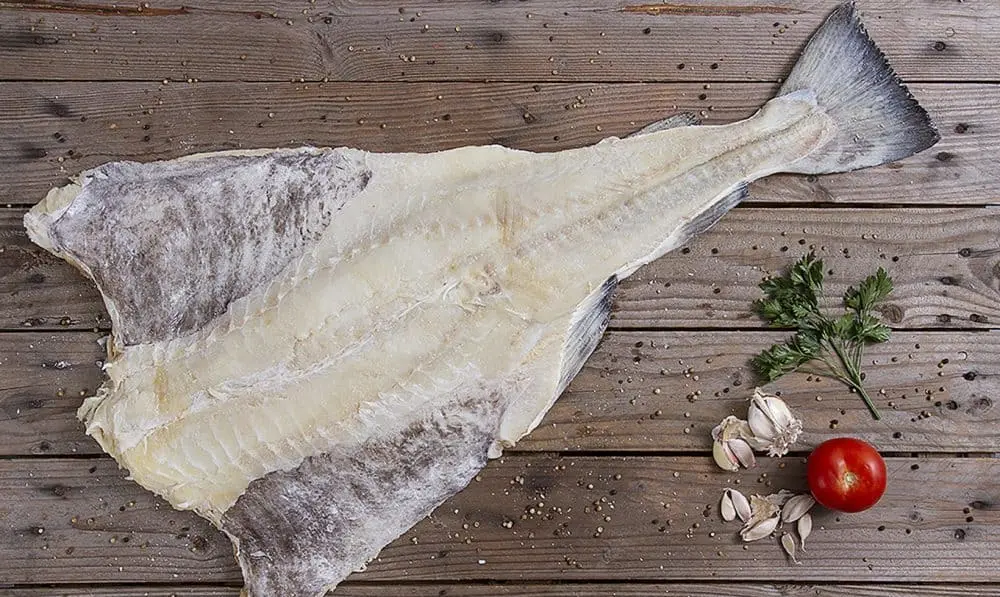
Fresh cod and bacalhau are the same fish — Gadus morhua, the Atlantic cod — but they are not the same ingredient. Fresh cod is mild, moist, and white. Bacalhau is stiff, amber-coloured, and salt-dense to the point of being inedible without treatment. The difference is not a recipe; it is a preservation process refined over five centuries.
The process is straightforward. Atlantic cod is caught, gutted, split open flat, salted heavily — typically at approximately one-third of the fish’s weight — and dried. Traditional drying happens outdoors on wooden racks, using air and wind. The process removes most of the fish’s moisture and concentrates the protein. What remains keeps without refrigeration for months, which was the original point.
Before cooking, bacalhau must be desalted. This means placing the fish in cold water and changing the water every six to eight hours for 24–48 hours, depending on thickness. The desalting partially rehydrates the fish and brings salt levels down to an edible range. Bacalhau never fully recovers its original fresh texture — and this is not considered a problem. The texture that results from proper desalting is one of the things Portuguese cooks have spent five centuries learning to use.
In a traditional Portuguese household, bacalhau for Sunday lunch comes out of the freezer on Friday and goes into cold water on Friday evening. That is not an inconvenience. It is the schedule.
The 365 Recipes — The Saying and the Reality
The claim that Portugal has 365 bacalhau recipes — one for each day of the year — circulates in guidebooks, restaurant menus, and tourist literature with a frequency that has made it feel less like a cultural metaphor and more like a documented fact.
It is a saying. A good one.
The actual number varies by who is counting and what they consider a distinct preparation. Nineteenth-century Portuguese cookbooks documented more than two hundred variations. Modern compilations often list over a thousand. If you include regional differences, seasonal preparations, and the minor substitutions that separate one family’s Friday recipe from the next, the figure becomes difficult to settle.
The point is not the arithmetic. A country that has been eating the same preserved fish for five hundred years and still hasn’t agreed on how many ways there are to cook it is a country that takes the ingredient seriously.
The 365 figure is best understood as a measure of culinary commitment, not a recipe count. No one constructs five centuries of cooking around a food they consider optional.

The Dishes Worth Knowing
Bacalhau à Brás
Bacalhau à Brás is the version most likely to appear as a first bacalhau experience, and the most accessible introduction to the ingredient. Shredded cod is combined with thin-cut fried potatoes, scrambled eggs, black olives, and parsley. The result is loose, golden, and mildly saline — usually served in an individual earthenware dish with a drizzle of olive oil.
The dish originates from the second half of the nineteenth century in Bairro Alto, Lisbon. The most widely repeated account attributes it to a tavern owner named Brás — possibly a Galician immigrant, as that community operated a large share of Lisbon’s tascas during that period — who used up less marketable cod scraps rather than discard them. The shredding technique makes the starting quality of the fish less critical than in other preparations: fine shredding and correct timing compensate for most deficiencies in the raw ingredient.
À Brás is quick to prepare and available on most menus in Lisbon. It is the preparation most likely to appear as a Friday lunch special in a neighbourhood café. It is the most common bacalhau dish, but not the most representative.
Bacalhau à Gomes de Sá
Bacalhau à Gomes de Sá is the preparation most associated with Porto, and the one that appears most reliably on serious restaurant menus throughout Portugal. The recipe is named after José Luís Gomes de Sá Júnior (1851–1926), a cod merchant who operated a warehouse on Rua do Muro dos Bacalhoeiros in Porto’s Ribeira district. After a fire destroyed the family warehouse, he took a position at the Restaurante Lisbonense on Travessa dos Congregados in downtown Porto, where he developed and eventually sold the recipe to the restaurant’s kitchen.
The technique differs from à Brás at every point. Desalted cod is gently poached and then flaked by hand into large pieces — not shredded — and layered in an earthenware dish with thinly sliced onion and potato. Olive oil is added in quantities that cover rather than dress the fish. The dish bakes uncovered, which caramelises the surface of the cod slightly while the potato absorbs the oil and cooking juices below. Hard-boiled egg slices and olives go in partway through or at the table.
The flavour is more pronounced than à Brás. The olive oil is structural rather than incidental. This is the preparation that Portuguese cooks tend to reference when the conversation turns to what bacalhau can be when the technique is correct. If you eat one bacalhau dish in Portugal, this is the appropriate place to start.
Bacalhau com Natas
Bacalhau com natas adds cream to the cod-and-potato base, producing something closer in texture to a gratin than to the dry-heat preparations above. Shredded or flaked cod, sautéed onion, fried potatoes, and heavy cream or béchamel are layered and baked until browned on top. The cream moderates the salt and creates a richer, heavier dish that appears more often on menus from October through March.
The preparation is popular and tends to be accessible to visitors encountering bacalhau for the first time. It generates some commentary among Portuguese who consider the cream an unnecessary intervention in a dish that works without it. This is a reasonable position and an individual one.
Bacalhau à Lagareiro
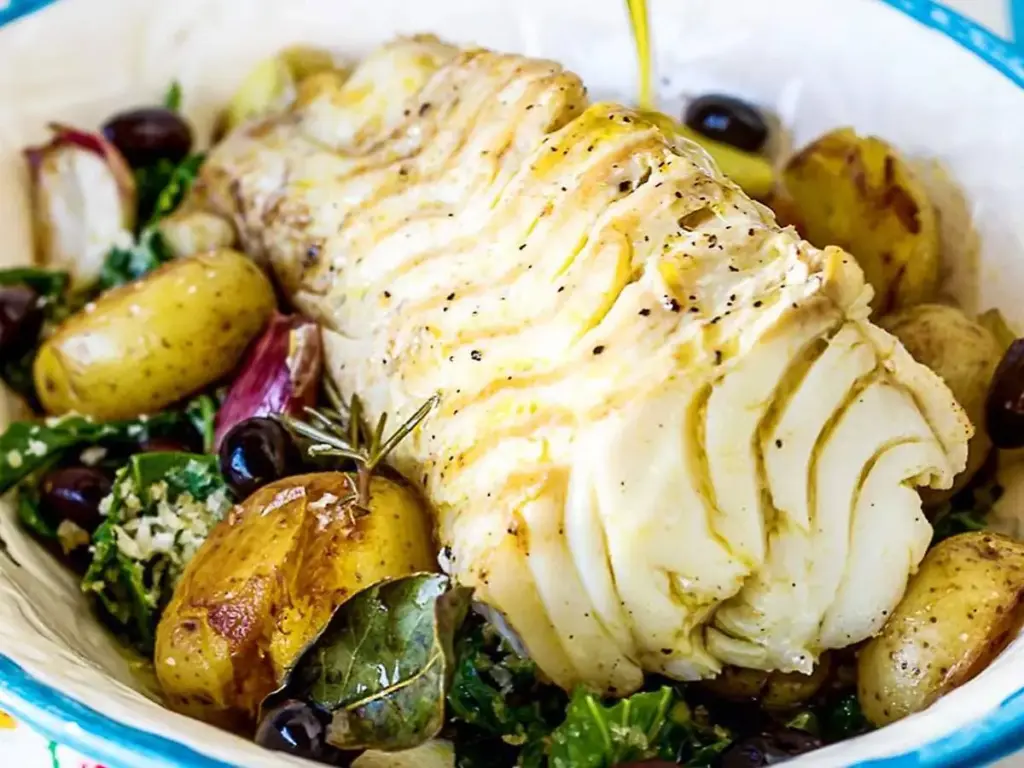
Lagareiro means olive oil miller in Portuguese, and the name is accurate. A thick loin of desalted cod — not shredded, not flaked, kept as a single cut — is baked or grilled with olive oil applied before, during, and after cooking, in quantities that make the oil a cooking medium rather than a condiment.
The dish is served with batatas a murro: potatoes baked whole, then punched flat with the palm of the hand, which splits them open so they absorb the olive oil running off the fish. The technique requires olive oil of sufficient quality to hold up under heat. In Portugal, that condition is reliably met.
À Lagareiro is the preparation that most clearly illustrates why olive oil is the structural element in Portuguese cod cooking. It is also, for what it’s worth, the one I eat on Fridays.
What to Expect When Ordering Bacalhau in Lisbon
Every restaurant in Lisbon that serves Portuguese food serves bacalhau. Most serve at least three preparations. Portions are typically generous — a standard main course in a neighbourhood restaurant in Lisbon is usually larger than what the same price produces in most of northern or central Europe.
When clients ask which version to order on a first visit, I suggest à Gomes de Sá or à Lagareiro. Both require technique and give a clear reading of the ingredient when the kitchen is paying attention. À Brás is more approachable but less useful as a benchmark.
No restaurant name matters more here than the preparation and the neighbourhood. A well-made bacalhau à Gomes de Sá from a side-street tasca in Mouraria costs less and tells you more than a mediocre version on a tourist-facing square near Praça do Comércio.
Friday is the traditional bacalhau day in Portugal — a custom with Catholic origins that persists in working neighbourhoods throughout Lisbon. The Friday lunch special at a neighbourhood restaurant in Mouraria, Penha de França, or Intendente is reliable bacalhau territory. The tourist corridors are not.
For more on Lisbon’s food landscape, see the Lisbon destination page and the full guide to eating in Lisbon.
Try Bacalhau on a Lisbon Private Tour
Ordering bacalhau in Lisbon is straightforward once you know what you are looking at on a menu. On a private tour, the lunch stop is part of the itinerary — in a neighbourhood that actually eats there, not one that caters primarily to visitors.
- Private Lisbon City Tour — Full-day tour through Alfama, Belém, Baixa, and the historic centre, with a lunch stop in a neighbourhood the guide selects based on that day’s conditions.
- Best Solution Tour — Fátima, Sintra & Cascais — Full-day circuit combining Portugal’s three most requested destinations from Lisbon, lunch included.
- What to Eat in Lisbon — Fábio’s full guide to Lisbon food beyond bacalhau: pastéis de nata, seafood, bifanas, and wine.
FAQ
What is bacalhau?
Is bacalhau the same as fresh cod?
How many bacalhau recipes are there in Portugal?
What is Bacalhau à Gomes de Sá?
What is the difference between Bacalhau à Brás and Bacalhau à Gomes de Sá?
Where does Portugal get its cod?
How much bacalhau does Portugal consume?
When did bacalhau become Portugal's national dish?
What is the best bacalhau dish for a first-time visitor?
Is bacalhau eaten on a specific day in Portugal?

Founder & Director of Yellow Cab TT Tours. Guiding in Portugal for 20+ years.
Founded Yellow Cab TT Tours in 2013. 3,372 five-star reviews on Tripadvisor.