

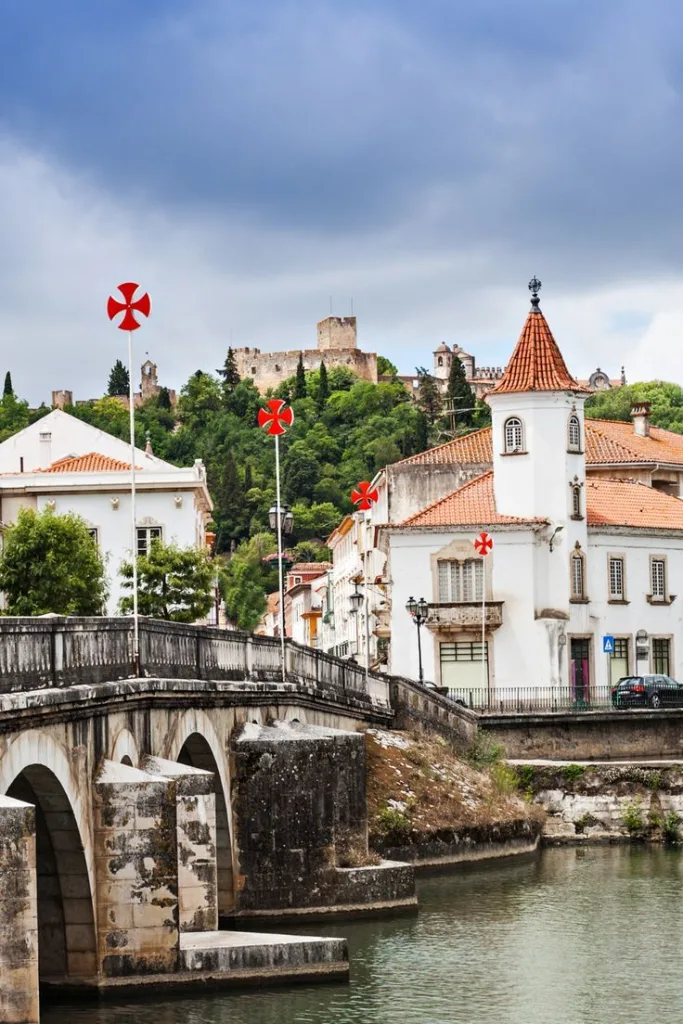
La mayoría de las personas que investigan cosas que hacer en Tomar, Portugal comienza desde el mismo lugar: el Convento de Cristo. Ese es el punto de partida correcto: el Convento es Listado por la UNESCO, Tiene 860 años de antigüedad y se tarda entre 2 y 3 horas en recorrerla correctamente. Lo que más sorprende a los visitantes es la cantidad de cosas que aún se conservan después de abandonar la cima.
Tomar también alberga la única sinagoga medieval intacta de Portugal. Un acueducto de escala romana de 6,2 kilómetros construido entre 1593 y 1614, terminado la misma década en que Shakespeare escribió Hamlet. Un parque forestal nacional justo debajo del convento, cuyo trazado geométrico de calles fue establecido por Enrique el Navegante en el siglo XV, un diseño que, según se dice, sirvió de referencia para la reconstrucción del barrio de la Baixa de Lisboa tras el terremoto de 1755. Y un museo con 43.000 cajas de cerillas de 127 países, que es, o bien lo más excéntrico de una ciudad repleta de monumentos de la UNESCO, o bien lo más humano. Probablemente ambas cosas.
El convento es el punto de partida. Esta guía abarca el resto.
Tomar de un vistazo
- Distancia desde Lisboa: 136 km por la A1 y la IC9 — aproximadamente 1 hora y 30 minutos en coche.
- En tren: Lisboa Oriente → Entroncamento → Tomar — aproximadamente 2 horas.
- Sitio declarado Patrimonio de la Humanidad por la UNESCO: Convento de Cristo (inscrito en 1983).
- Población: 36.413 habitantes (municipio, 2021).
- Los mejores meses para visitar son: de marzo a mayo y de septiembre a octubre.
- Duración recomendada de la visita: Un día completo (6-8 horas) es suficiente para explorar las principales atracciones.
Convento de Cristo y Castillo Templario — Patrimonio de la Humanidad de la UNESCO
La pregunta más frecuente que me hacen sobre Tomar es si merece la pena dedicarle un día entero desde Lisboa. Sí, merece la pena, pero no por la razón que la mayoría espera. Vienen por el convento. Suelen irse hablando de la sinagoga.

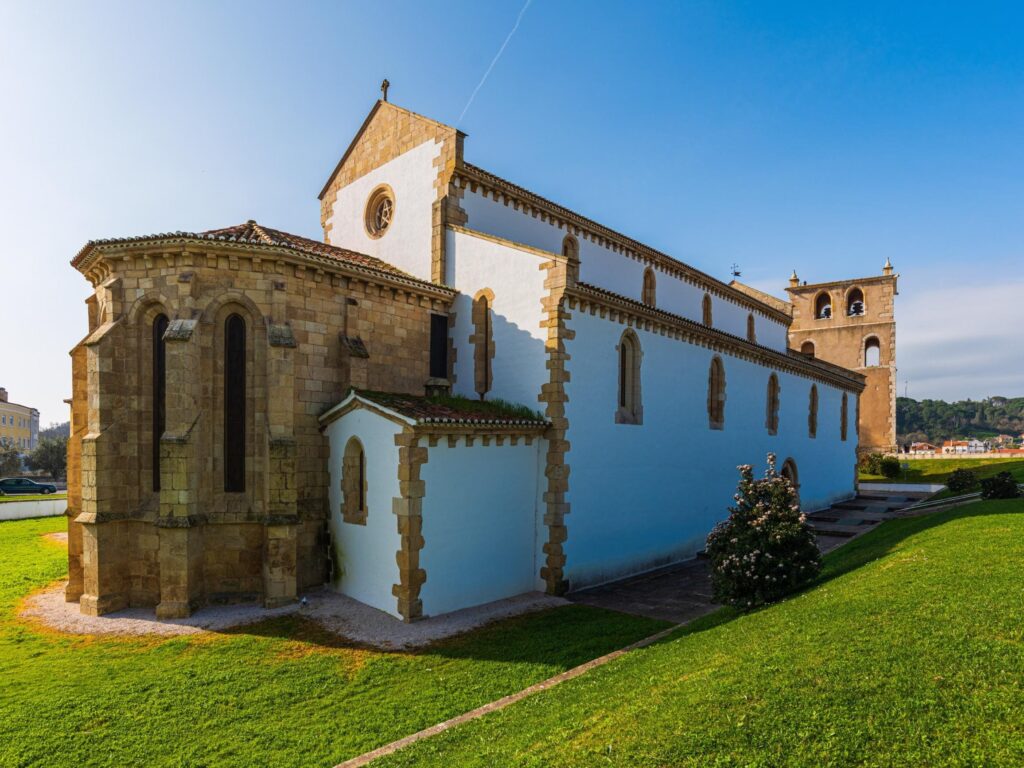
Iglesia de Santa Maria do Olival
Práctico: Entrada: gratuita (consultar en la entrada si hay alguna tarifa de temporada). Horario habitual: de martes a domingo de 10:00 a 13:00 y de 14:00 a 18:00; cerrado los lunes. Ubicación: a unos 10 minutos a pie cuesta abajo desde el convento.
Sinagoga de Tomar
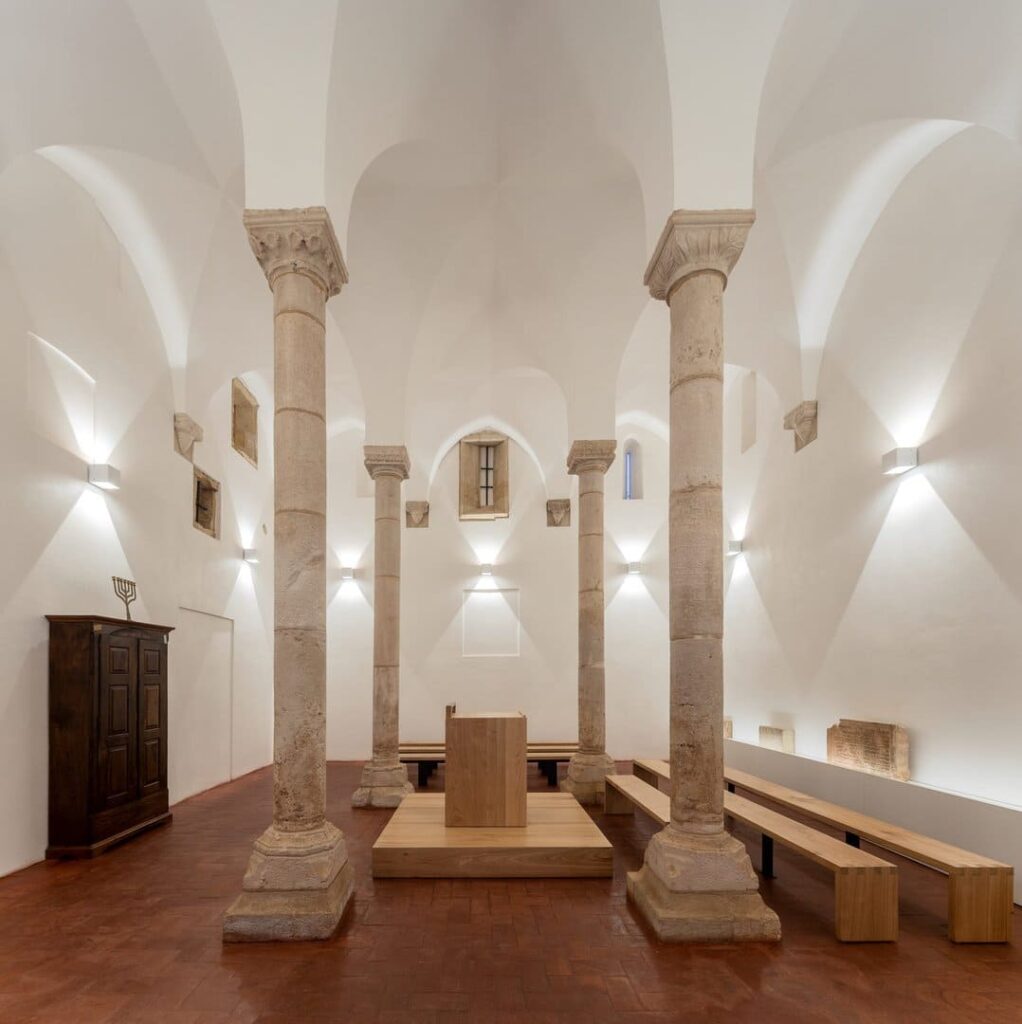
La sinagoga de Tomar es la única sinagoga medieval de Portugal que se ha conservado prácticamente intacta desde su construcción. Fue edificada entre 1430 y 1460 para una comunidad judía que se había establecido en Tomar desde al menos 1315, fecha que indica la lápida de un rabino hallada en la localidad.
El interior mide aproximadamente 9 por 6 metros. Cuatro columnas sostienen la bóveda, simbolizando a las cuatro matriarcas de Israel; doce arcos las conectan, representando a las doce tribus. Canales decorativos recorren la base de las paredes, que antiguamente se utilizaban para colocar lámparas de aceite durante los servicios del Shabat.
Acueducto Pegões
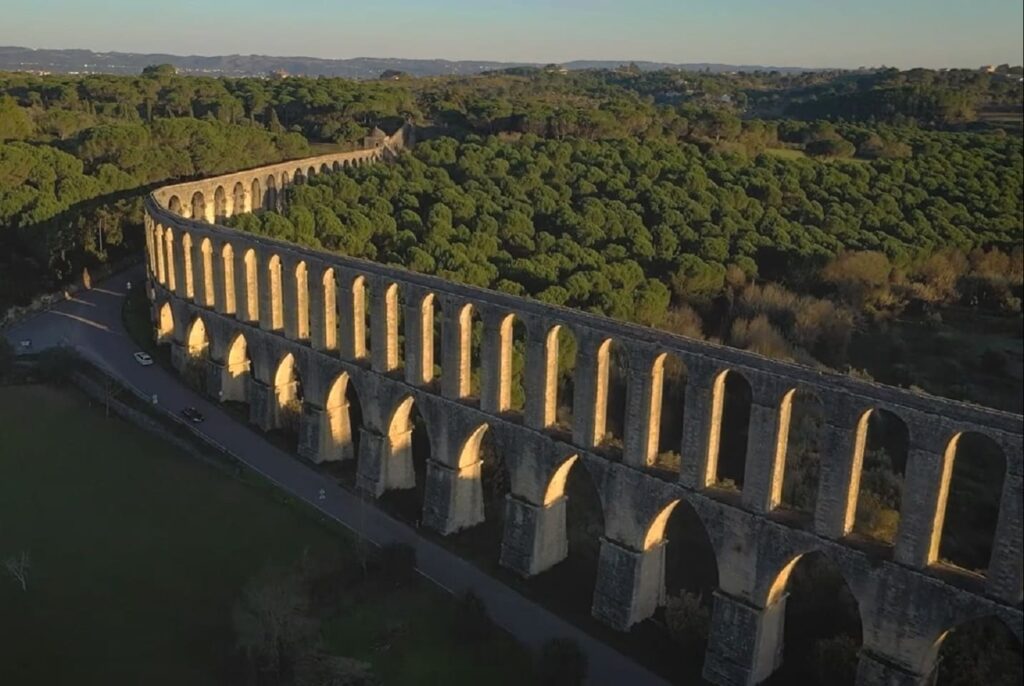
El acueducto de Pegões tiene 6,223 km de longitud, alcanza los 30 metros de altura en el cruce del valle y cuenta con 180 arcos. Fue construido entre 1593 y 1614 para transportar agua desde cuatro manantiales naturales al oeste de Tomar hasta la fuente del claustro mayor del convento de Cristo, situado en la cima de la colina.
La construcción comenzó bajo la dirección del ingeniero militar italiano Filippo Terzi (1520-1597), el mismo arquitecto que completó el claustro mayor mencionado anteriormente, y fue finalizada tras su muerte por Pedro Fernando de Torres. La estructura combina la forma de arco semicircular romano con arcos apuntados de influencia morisca en los soportes inferiores, creando un híbrido estructural que refleja la confluencia arquitectónica de Portugal en el siglo XVI. El acueducto fue declarado Monumento Nacional en 1920.
El tramo más impresionante es el que atraviesa el valle, aproximadamente a 2 km al oeste del centro de Tomar, donde se puede apreciar la altura total de la estructura desde la carretera. Se puede acceder al acueducto a pie o en coche.
PrácticoEntrada: gratuita. Visible desde la carretera principal y accesible a pie. Mejor mirador: carretera bajo el tramo que atraviesa el valle, a 2 km al oeste del centro. Tiempo estimado: 20-30 minutos para recorrer el valle.
Centro histórico: Praça da República y Rua Serpa Pinto
El centro histórico de Tomar está diseñado según un trazado geométrico establecido por Enrique el Navegante en el siglo XV. Se dice que este mismo plano urbanístico sirvió de referencia para la reconstrucción del barrio de la Baixa de Lisboa tras el terremoto de 1755.
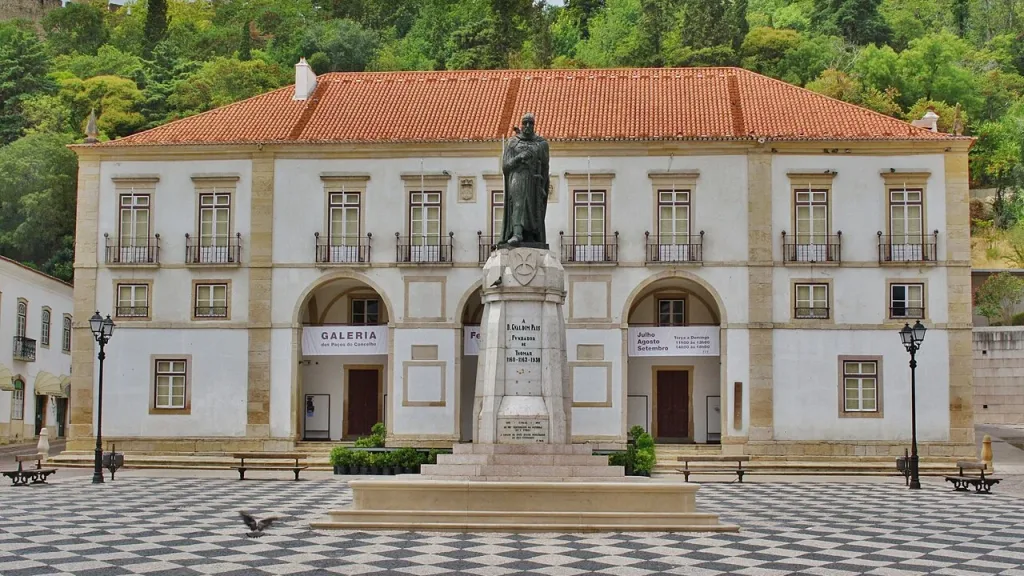
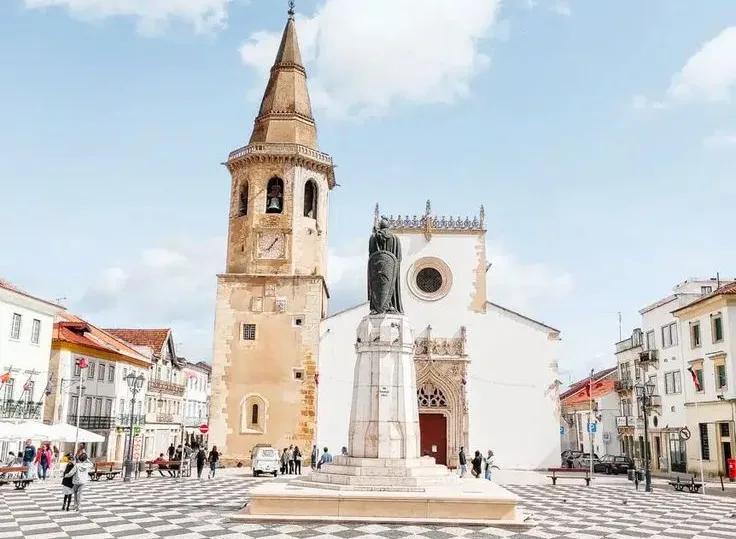
Plaza de la República Es la plaza principal y el centro social de Tomar. En el lado norte se encuentra la Iglesia de San Juan Bautista, una iglesia de estilo gótico tardío construida a principios del siglo XVI. Su exterior presenta un portal manuelino y una torre hexagonal; el interior conserva pinturas sobre tabla del siglo XVI atribuidas a Jorge Alfonso. En el centro de la plaza se alza una estatua de Gualdim Pais, instalada en 1894.
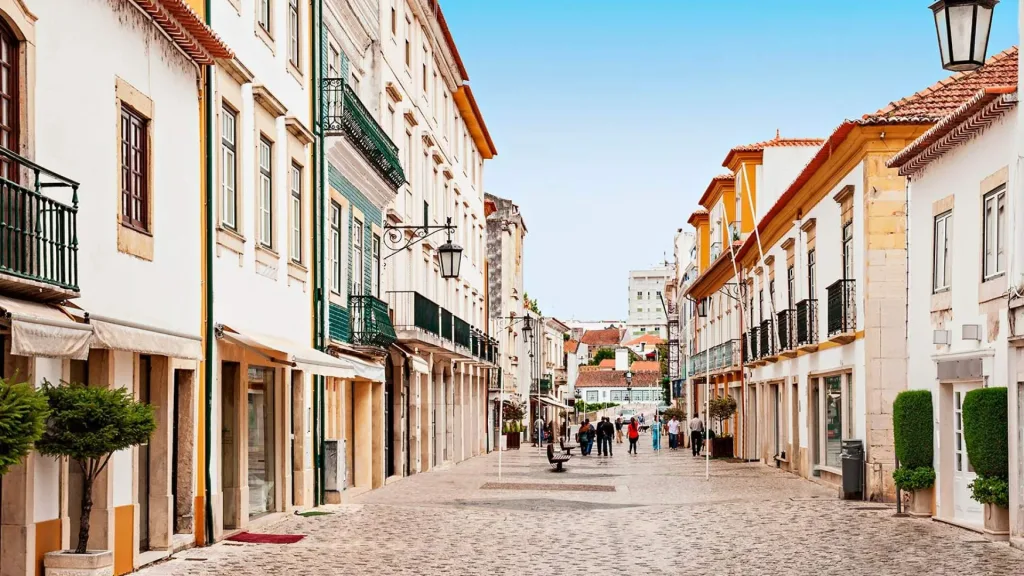
Rua Serpa Pinto Conecta la Praça da República con el río Nabão y es el principal eje peatonal del centro histórico. La calle pasa por panaderías independientes y tiendas de cerámica, y su extremo ribereño desemboca en el parque Mouchão.
Oficina de Olaria y Azulejaria, Un taller de cerámica y azulejos en funcionamiento en el centro histórico desde hace más de 35 años, permite a los visitantes observar la elaboración tradicional de azulejos. Los productos se venden en el mismo taller.
Práctico: Praça da República: siempre accesible. Igreja de São João Baptista: consulte el horario local (normalmente abre por la mañana). Mercado mensual de antigüedades: primer domingo de cada mes, de 10:00 a 19:00 horas aproximadamente.
Parque Mouchão y el río Nabão
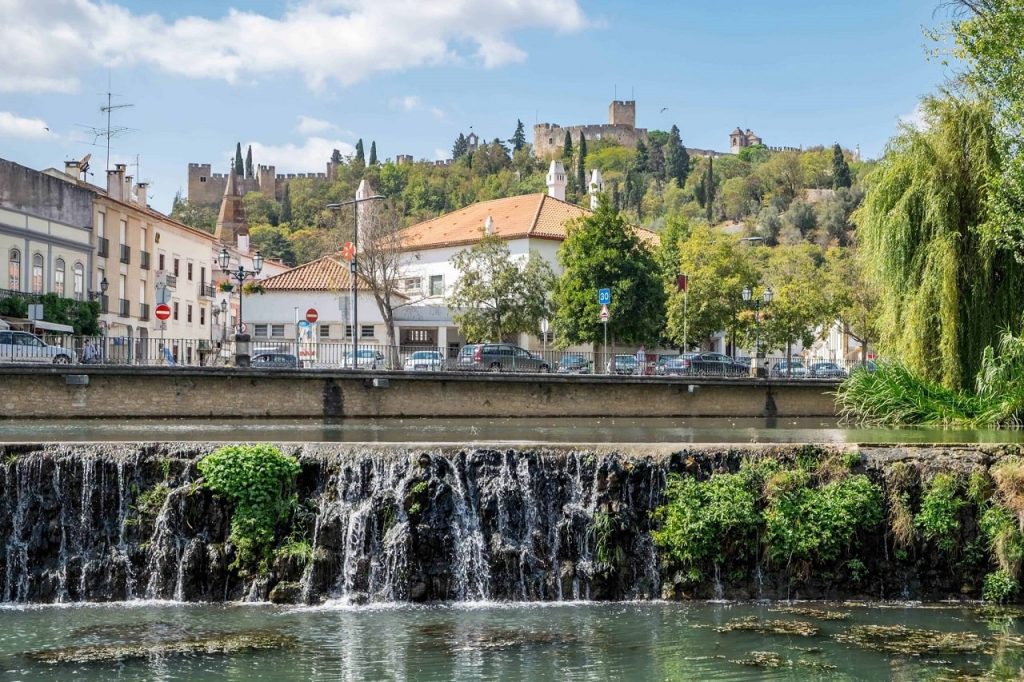
El parque de la isla de Mouchão se ubica en el río Nabão, en las afueras del centro histórico de Tomar. Es el espacio verde más visitado de la ciudad y una parada habitual para descansar entre monumentos.
El parque es famoso por su noria tradicional de madera, que se ha convertido en uno de los símbolos cívicos de Tomar. Este tipo de noras se utilizaban para elevar el agua del río para el riego; la de Mouchão se conserva como una estructura patrimonial en funcionamiento. La isla también cuenta con un pequeño quiosco de música, sauces llorones y mesas de café a la orilla del río.
El paseo fluvial del Nabão a lo largo del parque tiene aproximadamente 400 metros de longitud. Caminar desde la Praça da República hasta el extremo opuesto de la isla lleva entre 10 y 15 minutos a paso tranquilo.
Práctico: Entrada: gratuita. Abierto todo el año. Tiempo estimado: 15-20 minutos.

Mata Nacional dos Sete Montes
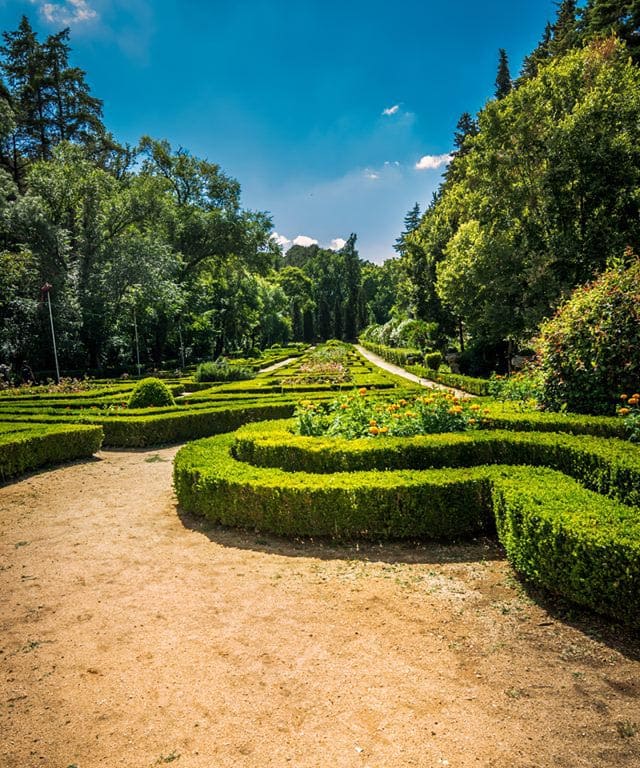
La Mata Nacional dos Sete Montes es un parque forestal nacional de 39 hectáreas ubicado justo debajo del Convento de Cristo, que desde el siglo XVI sirvió como huerto para el convento. El parque alberga cipreses, robles, plátanos y olivos centenarios, senderos sombreados y áreas de picnic.
El bosque sirve como punto de partida ideal para las visitas al convento: es el inicio del sendero que sube al complejo y el lugar más natural para descansar antes o después del recorrido. En los días de mayor calor del verano, los senderos sombreados ofrecen un marcado contraste con los jardines del convento, expuestos al sol.
Práctico: Entrada: gratuita. Horario: de 9:00 a 17:00 (octubre-mayo); de 8:30 a 19:30 (junio-septiembre). Ubicación: justo debajo de la colina del Convento de Cristo; señalizado desde el centro de la ciudad.
Museu dos Fósforos — Museo de la Caja de Cerillas
Tomar cuenta con un monumento de la UNESCO, la única sinagoga medieval intacta de Portugal y un acueducto romano de 6,2 kilómetros. Además, alberga una sala con 43.000 cajas de cerillas.
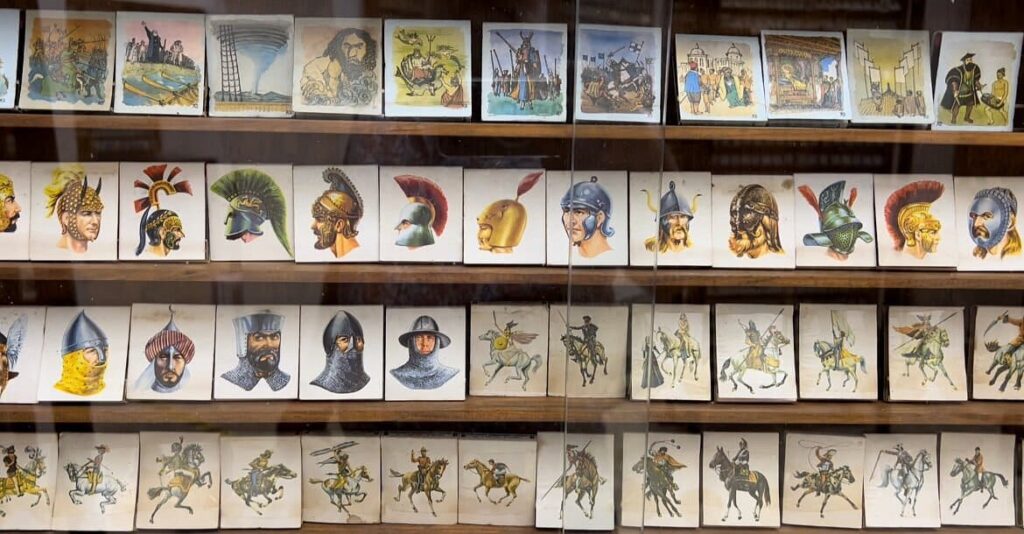
El Museu dos Fósforos (Museo de las Cajas de Fósforos) no forma parte de las rutas turísticas habituales de Tomar, razón por la cual merece la pena mencionarlo. La colección, reunida por Aquiles da Mota Lima a partir de 1953, abarca 127 países. Se encuentra en el antiguo Convento de San Francisco, un edificio religioso del siglo XVI adaptado como espacio cultural. Las cajas de cerillas muestran el diseño gráfico, la historia de la publicidad y la imprenta industrial de los siglos XIX y XX, procedentes de los cinco continentes.
Que esto te interese o no depende totalmente de ti. Pero el edificio en sí, el Convento de San Francisco, merece una breve visita, sin duda. El museo ocupa los antiguos claustros, y la transición de la arquitectura religiosa medieval a una sala llena de cajas de cerillas procedentes de la Unión Soviética, Japón y Portugal de los años 50 produce una notable disonancia cognitiva que muchos visitantes encuentran realmente memorable.
Práctico: Horario habitual: de martes a domingo de 10:00 a 12:30 y de 14:00 a 18:00; cerrado los lunes (el horario puede variar; consulte en el local). Entrada: gratuita o con precio simbólico. Ubicación: Largo General Bernardo Faria, cerca del centro.
Levada D'el Rei — Molinos antiguos y central eléctrica
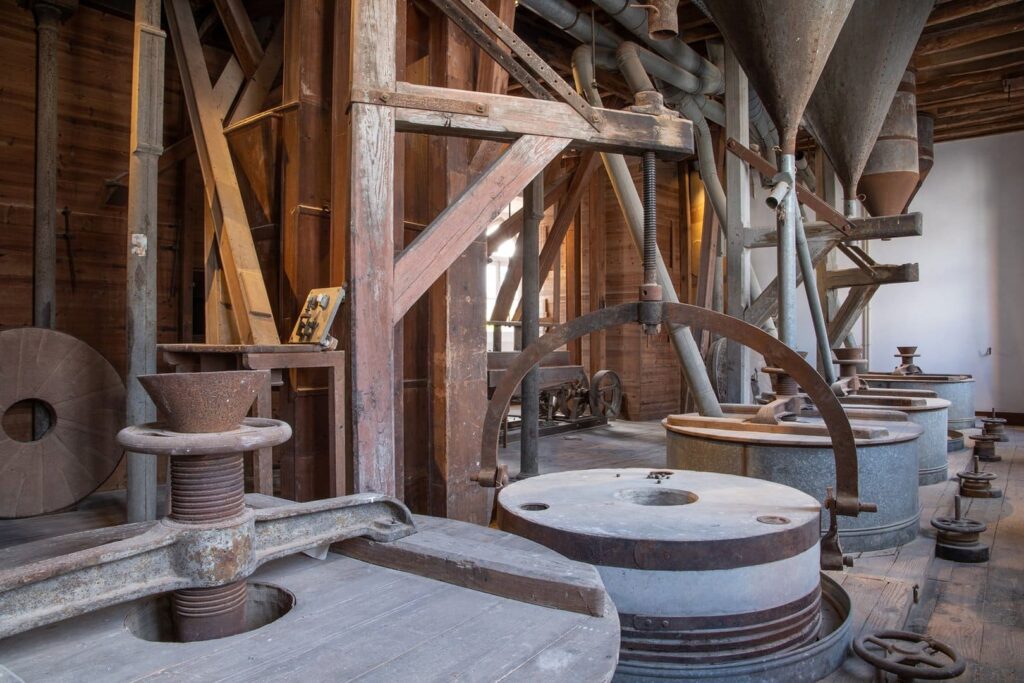
Levada D'el Rei es un antiguo complejo industrial a orillas del río Nabão que albergaba un molino hidráulico, un aserradero y una de las primeras centrales eléctricas de la región de Tomar. El canal de agua (levada) que alimentaba el complejo fue construido en el siglo XVI.
El lugar se ha transformado en un museo del patrimonio que exhibe mecanismos de molino originales, piedras de molino y equipos eléctricos antiguos en funcionamiento. Complementa de forma industrial la historia medieval y eclesiástica que predomina en los demás sitios de Tomar.
Práctico: Consulta el horario de apertura actual en tu localidad; el museo ha tenido periodos de acceso variables. Entrada: pequeña tarifa o gratuita (verifica en la entrada). Ubicación: a lo largo del río Nabão, aguas abajo del Parque Mouchão.
Festa dos Tabuleiros
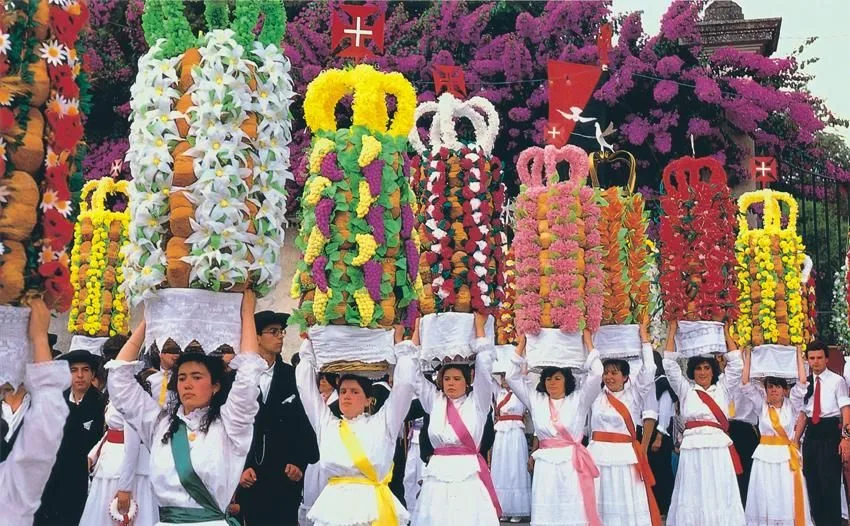
La Festa dos Tabuleiros es el evento cívico más emblemático de Tomar y una de las fiestas populares más grandes de Portugal. Se celebra cada cuatro años, lo que significa que la mayoría de los visitantes de Tomar nunca la verán. Muchos transitarán por las mismas calles sin saber cómo lucen cuando 700 mujeres transportan torres de pan de 15 kilogramos.
El elemento central es un desfile de más de 700 mujeres, cada una portando un tabuleiro sobre su cabeza: una estructura de mimbre con 30 panes apilados, decorada con flores de papel y espigas de trigo, y coronada con una corona de papel. El tabuleiro debe tener exactamente la altura de la mujer que lo lleva, generalmente entre 1,4 y 1,6 metros. Cada bandeja pesa entre 12 y 15 kilogramos. El desfile recorre 5 kilómetros por las calles históricas de Tomar.
El festival tiene sus raíces en la devoción al Espíritu Santo del siglo XIV asociada con la reina Isabel de Portugal. Su candidatura para ser declarada Patrimonio Cultural Inmaterial de la UNESCO está pendiente de revisión. La última edición se celebró en junio-julio de 2023. La próxima Festa dos Tabuleiros está programada para Julio de 2027. Si planea visitar Tomar ese mes, reserve su alojamiento con al menos tres meses de anticipación, ya que la capacidad de hospedaje de la ciudad es limitada y se llena rápidamente durante el período del festival.
Qué comer en Tomar
Los restaurantes de Tomar se concentran alrededor de la Praça da República y la Rua Serpa Pinto. La comida local sigue los patrones del centro de Portugal: bacalhau (bacalao salado) preparado de múltiples maneras, carne de porco à alentejana (cerdo con almejas) y pescado de agua dulce a la parrilla del río Nabão.
El dulce local que debes buscar es el Bésame rápido — un pequeño pastelito que se vende en la panadería Estrellas de Tomar y en algunos otros establecimientos locales. Su nombre se traduce literalmente como “Bésame rápido”, una estrategia de marketing que, al parecer, ha funcionado sin interrupción desde principios del siglo XX.
Las opciones para almorzar cerca del convento son limitadas. Lo más práctico es comer en el centro de la ciudad antes de subir al convento o después de regresar, no durante la visita.

Cuándo visitar Tomar
Marzo–mayo y Septiembre–octubre Son los meses más prácticos. Las temperaturas oscilan entre los 14 °C y los 24 °C. El complejo del convento implica largas caminatas al aire libre sobre terreno pedregoso irregular; las condiciones de primavera y otoño son adecuadas para todos los niveles de condición física.
Julio y agosto: En Tomar, las temperaturas alcanzan regularmente los 35 °C o más. El complejo del convento, en su mayor parte sin sombra, se vuelve físicamente exigente con el calor de la tarde. Para las visitas de verano, llegar antes de las 9:30 permite completar el recorrido del convento antes del mediodía. Este es uno de esos lugares donde el consejo habitual de “llegar temprano” no es un cliché. Es la diferencia entre una visita agradable y una desagradable. Nota: Julio de 2027 Se acerca la próxima Festa dos Tabuleiros, por lo que se prevé una afluencia de visitantes significativamente mayor de lo habitual.
Diciembre–Febrero: Las temperaturas oscilan entre los 8 °C y los 14 °C. Todos los principales lugares de interés permanecen abiertos. La afluencia de turistas es mínima.
Cómo llegar a Tomar desde Lisboa
En coche: 136 km por la autopista A1 en dirección noreste hacia Oporto, y luego por la IC9 hacia Tomar. El trayecto dura aproximadamente 1 hora y 30 minutos sin mucho tráfico. Hay aparcamiento disponible en el centro de la ciudad (de pago) y al pie de la colina del convento (gratuito).
En tren: Desde Lisboa Oriente o Lisboa Santa Apolónia. Los trenes requieren transbordo en Entroncamento. Duración aproximada del trayecto: 2 horas. La estación de tren de Tomar se encuentra a 1,5 km del Convento de Cristo; se puede llegar caminando cuesta arriba en 20 minutos o en taxi en 5 minutos. Consulte los horarios actuales en cp.pt.
En excursión privada desde Lisboa: Incluye recogida en el hotel, transporte directo y guía durante todo el trayecto. Los tours privados permiten combinar la visita con Fátima (a 45 km al sur de Tomar), el Castillo de Almourol (a 30 km al sur, a lo largo del Tajo) o Coímbra (a 73 km al norte).
Excursiones privadas a Tomar desde Lisboa
Yellow Cab TT Tours ofrece excursiones privadas de un día a Tomar desde Lisboa desde 2013. El circuito del Convento por sí solo dura entre 2 y 3 horas; combinado con Santa Maria do Olival, la Sinagoga y el Acueducto, se puede dedicar un día completo. Tomar también se combina a la perfección con Fátima o el Castillo de Almourol en un mismo itinerario. Todas las excursiones incluyen recogida en el hotel desde Lisboa, guía oficial y un itinerario personalizable. Excursiones disponibles:
Tour Templario en Tomar

Tomar - Convent of Christ - Almourol - Santarém
Tomar + Tour Fátima

Historia, Fe y Patrimonio de la UNESCO
Tomar con tour de Coimbra

Historia Templaria y Encanto Académico
Tomar + Lisboa
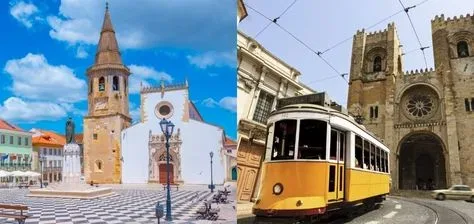
Un día de fe, historia y encanto de la ciudad.

Preguntas frecuentes — Tomar, Portugal
¿Por qué es conocida Tomar, Portugal?
Tomar es conocida principalmente por el Convento de Cristo, declarado Patrimonio de la Humanidad por la UNESCO, fundado en 1160 por los Caballeros Templarios y ampliado continuamente hasta el siglo XVII. La ciudad también alberga la única sinagoga medieval intacta de Portugal (construida entre 1430 y 1460), el Acueducto de Pegões (6,223 km, construido entre 1593 y 1614) y la Festa dos Tabuleiros, un festival que se celebra cada cuatro años en el que más de 700 mujeres desfilan por la ciudad portando torres de pan.
¿Cuánto tiempo necesitas en Tomar?
Un día completo (de 6 a 8 horas) abarca el circuito principal: Convento de Cristo (2-3 horas), Iglesia de Santa María do Olival (30 minutos), Sinagoga de Tomar (30 minutos), Acueducto de Pegões (30 minutos), centro histórico y Parque Mouchão (1 hora). Medio día (4 horas) incluye el Convento y una o dos paradas adicionales. Solo el Convento requiere un mínimo de 2 horas si se visita adecuadamente.
¿Cuánto cuesta el Convento de Cristo?
La entrada para adultos cuesta 15 €. Los visitantes de entre 13 y 24 años y los mayores de 65 pagan 7,50 €. La entrada es gratuita para niños menores de 12 años. Los precios los fija Museus e Monumentos de Portugal; consúltelos en museusemonumentos.pt antes de su visita.
¿Merece la pena visitar Tomar desde Lisboa?
Sí, para viajeros interesados en la historia medieval, la arquitectura militar o la Era de los Descubrimientos de Portugal. Tomar recibe menos visitantes que Sintra, no tiene colas comparables a las del Palacio da Pena y la entrada cuesta 15 €, siendo uno de los monumentos con mayor riqueza histórica de Portugal. Quienes busquen playas o una escapada rápida de medio día desde Lisboa quizás prefieran Cascais o Sintra. Para quienes planeen pasar más de 4 días en Portugal, Tomar es la excursión de un día más interesante a menos de 2 horas de Lisboa.
¿Se puede visitar Tomar en una excursión de un día desde Lisboa?
Sí. La ciudad está a 136 km de Lisboa, aproximadamente 1 hora y 30 minutos en coche o 2 horas en tren con transbordo en Entroncamento. La mayoría de los visitantes dedican entre 6 y 8 horas a la ciudad. Yellow Cab TT Tours ofrece excursiones privadas de un día desde Lisboa con recogida en el hotel y guía oficial, incluyendo itinerarios combinados con Fátima o el Castillo de Almourol.
¿Qué es la Festa dos Tabuleiros en Tomar?
La Festa dos Tabuleiros es un festival que se celebra cada cuatro años en Tomar. Más de 700 mujeres desfilan por 5 km de las calles de la ciudad portando tabuleiros: torres formadas por 30 panes decorados con flores de papel, de la misma altura que la mujer que los lleva (1,4-1,6 metros de altura, 12-15 kg). El festival tiene sus raíces en la devoción al Espíritu Santo del siglo XIV. La última edición tuvo lugar entre junio y julio de 2023; la próxima está prevista para julio de 2027.
¿Cuándo es la mejor época para visitar Tomar?
De marzo a mayo y de septiembre a octubre se dan las condiciones más agradables. Las temperaturas alcanzan los 14-24 °C y la afluencia turística es menor que en verano. En julio y agosto, las temperaturas superan regularmente los 35 °C; el complejo del convento, con poca sombra, se vuelve exigente con el calor de la tarde. Si visita la zona en julio de 2027, tenga en cuenta que la Festa dos Tabuleiros aumentará significativamente el número de visitantes y que el alojamiento deberá reservarse con mucha antelación.
¿Hay una sinagoga en Tomar?
Sí. La sinagoga de Tomar, construida entre 1430 y 1460, es la única sinagoga medieval intacta de Portugal. La comunidad judía existió en Tomar al menos desde 1315. Tras el decreto de expulsión del rey Manuel I en 1496, el edificio fue abandonado y posteriormente utilizado como prisión. Fue restaurado en 1923 por Samuel Schwarz e inaugurado en 1939 como el Museo Judío Portugués Abraham Zacuto. Es Monumento Nacional.
¿Planeas una excursión de un día a Tomar? Te recogemos en tu hotel en Lisboa o Cascais → Contáctanos por WhatsApp: +351 965 856 169 → O utilice el formulario de contacto.

Fundador y Director de Yellow Cab TT Tours. Guía en Portugal durante más de 20 años.
Fundó Yellow Cab TT Tours en 2013. 3.372 reseñas de cinco estrellas en Tripadvisor.