
Setúbal, Portugal: Estuario del Sado, Delfines y Excursiones de un día desde Lisboa
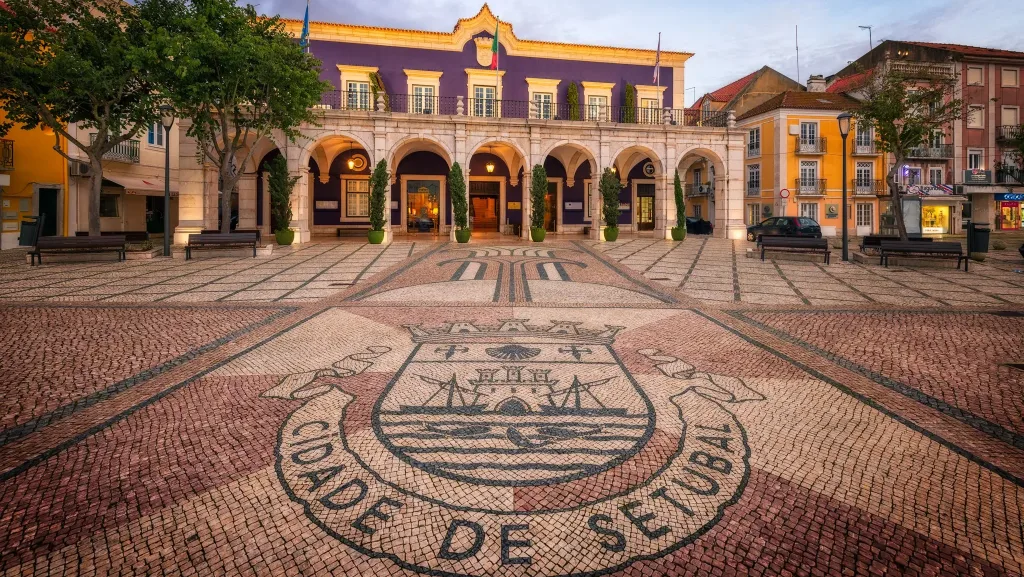
Setúbal es una ciudad y municipio costero a orillas del estuario del río Sado, a 48 km al sur de Lisboa. Población: 123.496 (censo de 2021, municipio), superficie 230,33 km². Setúbal fue reconocida oficialmente como ciudad en abril de 1860 por el Rey Pedro V. El estuario del Sado – uno de los estuarios más grandes de la Península Ibérica – bordea la ciudad por el sur y alberga una de las dos poblaciones permanentes de delfines mulares en Portugal.
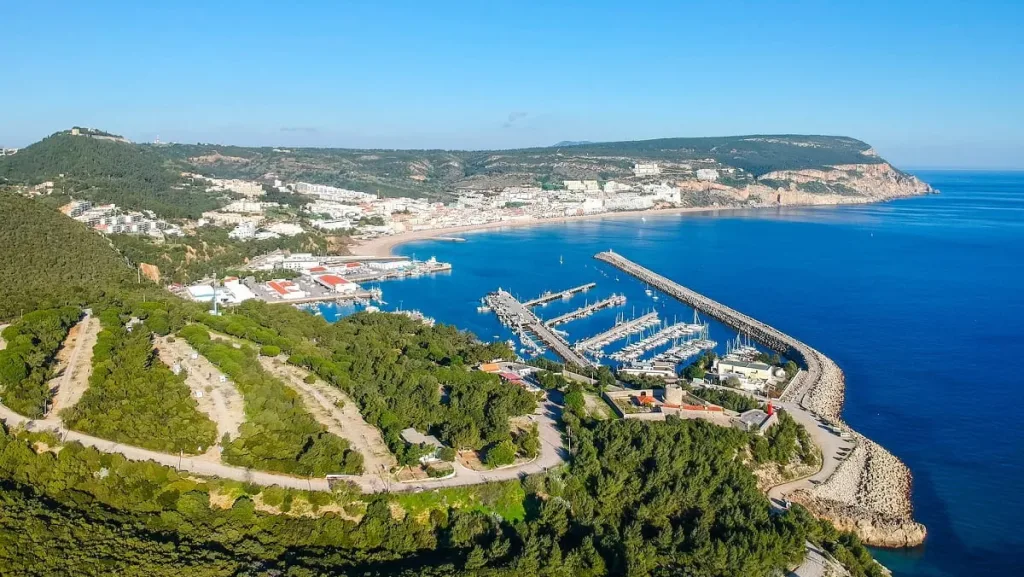
Setúbal es el principal punto de acceso para Parque Natural da Arrábida al oeste y la puerta de entrada a la península de Tróia al sur. El principal monumento histórico de la ciudad, el Monasterio de Jesús, construido entre 1490 y 1510 por el arquitecto Diogo de Boitaca, es el primer ejemplo conocido de arquitectura manuelina en Portugal.
Una breve historia de Setúbal
El sitio de Setúbal se conocía en la antigüedad como Cetobriga, un asentamiento turdetano que pasó a control romano como parte de la provincia de Lusitania. La Cetobriga romana estaba ubicada en la península de Tróia, al sur, en lugar del sitio actual de la ciudad; sus ruinas, incluida una gran fábrica de salazón de pescado (garum), se conservan en Tróia.
Durante el período medieval, Setúbal se desarrolló como un puerto pesquero y comercial. El rey João II (reinó de 1481 a 1495) utilizó la ciudad como residencia real y patrocinó la construcción del Monasterio de Jesús en las afueras del norte del pueblo medieval. A principios del siglo XX, Setúbal era el centro más importante de procesamiento de sardinas de Portugal, con docenas de fábricas de conservas operando a lo largo del frente del puerto. El Puerto.
Monasterio de Jesús - El Edificio Manuelino Más Antiguo de Portugal (1490-1510)
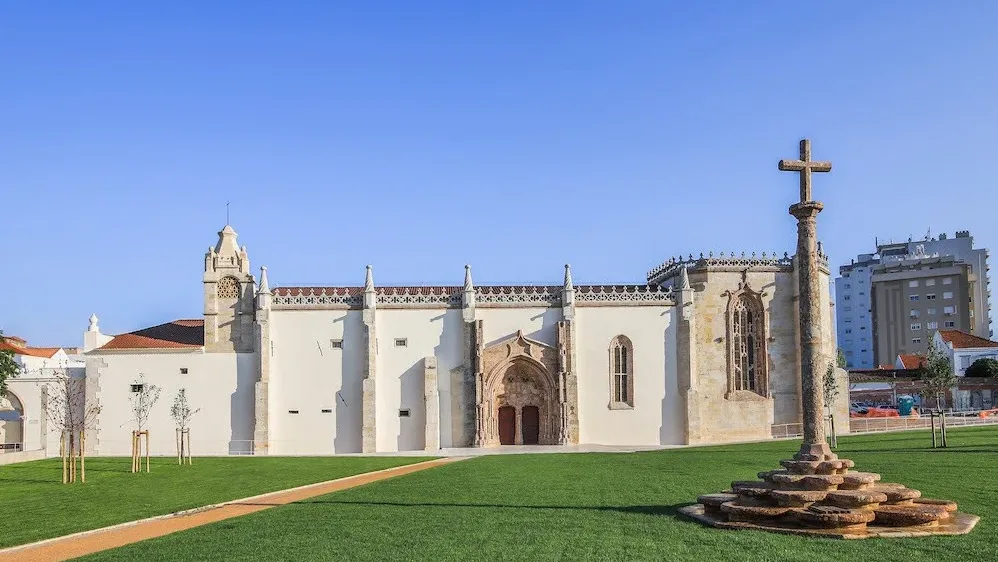
El Mosteiro de Jesus fue fundado alrededor de 1490 por Justa Rodrigues Pereira, una noble de la corte real portuguesa. La construcción comenzó bajo el patrocinio del rey João II, quien encargó al arquitecto franciscano Diogo de Boitaca –posiblemente de origen francés– el diseño de la iglesia. Las obras continuaron bajo el rey Manuel I tras la muerte de João II en 1495.
La iglesia, construida entre 1490 y 1510, es el edificio más antiguo conocido en el que se empleó el distintivo vocabulario decorativo de la arquitectura manuelina. El manuelino es el estilo gótico tardío portugués, caracterizado por motivos marítimos –cuerda retorcida, coral, anclas y esferas armilares– representados en relieves de piedra. En el Monasterio de Jesús, las nervaduras de la bóveda de la nave se retuercen en formas espirales, un recurso que se convertiría en un motivo definitorio de la arquitectura manuelina en las décadas posteriores, visto más tarde en el Monasterio de los Jerónimos en Lisboa (completado en 1517) y en el Convento de Cristo de Tomar.
Bajo el rey Manuel I, alrededor de 1520, la iglesia fue decorada con un retablo pintado de 14 paneles de Jorge Afonso, uno de los principales pintores renacentistas de Portugal. El retablo, que representa escenas de la vida de la Virgen, se exhibe ahora en el espacio museístico contiguo. El monasterio alberga actualmente el Museo Municipal de Setúbal (Museu de Setúbal), que conserva los paneles del retablo y una colección de azulejos.
El Mosteiro de Jesus apareció en la lista de los 7 monumentos en peligro de Europa Nostra en 2007, cuando el deterioro estructural era crítico. Posteriormente, las obras de restauración estabilizaron el edificio y el monumento recibió el Premio del Patrimonio de Europa Nostra en 2011.
Castelo de São Filipe (siglos XVI-XVII)
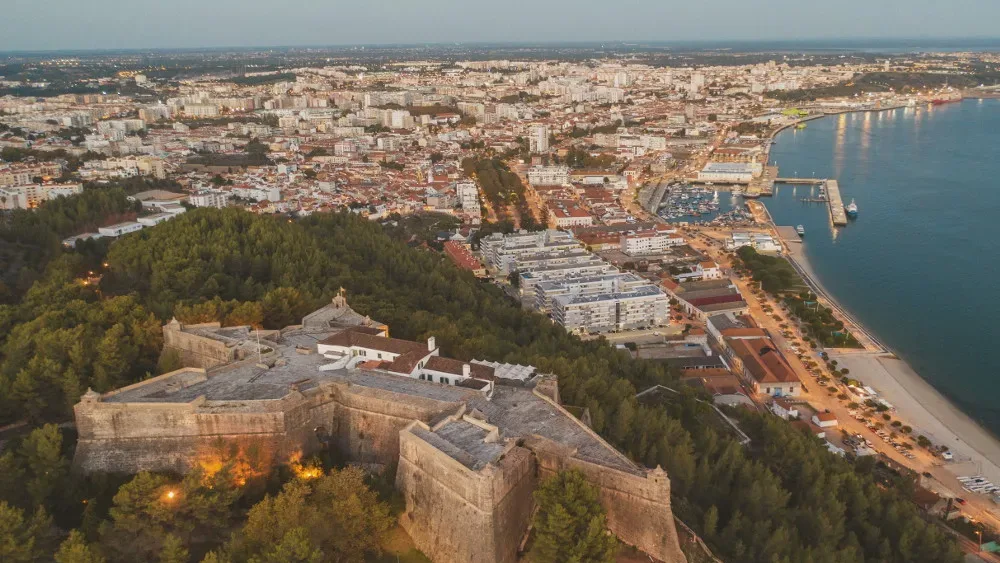
El Castelo de São Filipe se alza en una colina al norte del centro de la ciudad, con vistas a la ría del Sado y al puerto. La fortaleza fue construida bajo el rey Felipe I de Portugal (Felipe II de España, que gobernó Portugal de 1580 a 1598 tras la Unión Ibérica) para defender la bahía de ataques navales holandeses e ingleses durante el período de dominio conjunto luso-español.
La construcción del castillo comenzó en la década de 1590 según un diseño atribuido al arquitecto militar italiano Filipe Terzi, quien también trabajó en las fortificaciones de Lisboa y otras posiciones costeras. El castillo fue ampliado y modificado en el siglo XVII. Actualmente funciona como un hotel histórico (pousada), una de las propiedades de alojamiento histórico estatales de Portugal. Las murallas ofrecen vistas directas a través del estuario del Sado hacia la península de Tróia.
El estuario de Sado y la colonia de delfines residentes
El Estuario de Sado abarca aproximadamente 24.000 hectáreas y es uno de los sistemas de humedales y estuarios más grandes del oeste de Iberia. Está designado bajo la Directiva de Aves y la Directiva de Hábitats de la UE y forma parte de la zona protegida adyacente al Parque Natural de Arrábida.
El estuario del Sado alberga una de las poblaciones de delfines mulares residentes más conocidas de Portugal, lo que lo convierte en uno de los destinos más populares del país para la observación de delfines y el turismo de naturaleza. A diferencia de las poblaciones de delfines migratorios, el grupo del Sado permanece en el estuario durante todo el año y ha sido objeto de investigación científica continua desde la década de 1980. Los viajes en barco para observar delfines operan desde el puerto de Setúbal.
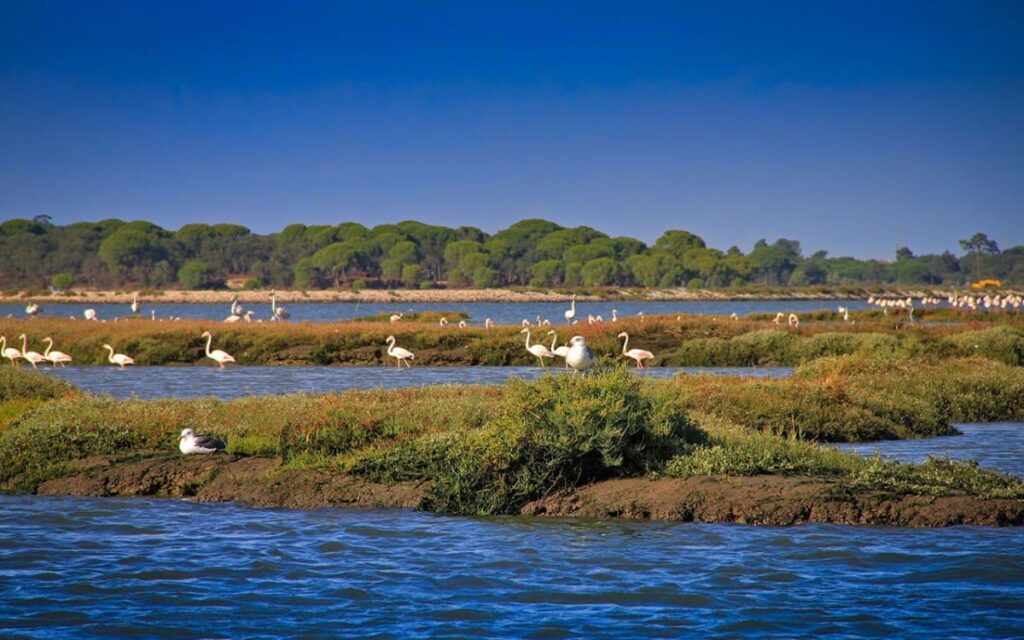
El estuario también alberga importantes poblaciones de aves zancudas: garzas reales, espátulas, flamencos (sobre todo durante la migración) y ostreros comunes. Las marismas situadas en los márgenes meridionales del estuario constituyen una zona de parada para las aves migratorias que siguen la ruta migratoria del Atlántico Oriental.
Región Vinícola DOC Setúbal
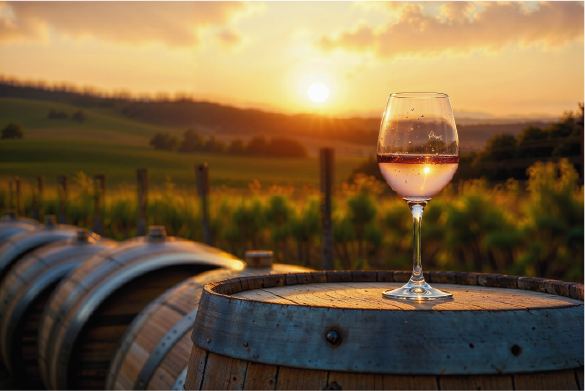
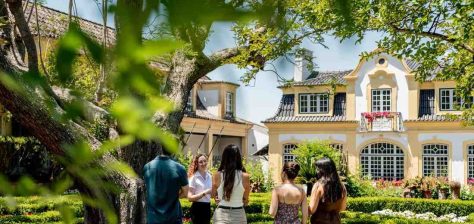
Setúbal es el centro de la Denominación de Origen Controlada (DOC) de Setúbal, que abarca la península de Setúbal, entre los ríos Tajo y Sado. El producto de mayor relevancia histórica de la región es el Moscatel de Setúbal, un vino fortificado elaborado con uvas de la variedad moscatel de Alejandría, cuya producción documentada se remonta al siglo XVI. El Moscatel de Setúbal cuenta con su propia subdenominación dentro de la DOC.
La variedad de uva tinta principal es la Castelão (también conocida históricamente como Periquita), adaptada a los suelos cálidos y bien drenados de las laderas orientadas al sur de la península. Los viñedos y las fincas vinícolas de la región (quintas) se concentran en las colinas entre Palmela y el borde norte de la Serra da Arrábida.
Yellow Cab TT Tours organiza excursiones enológicas que combinan la región vinícola de Setúbal con visitas a la costa de Arrábida.
Península de Tróia - Ruinas Romanas y Playas
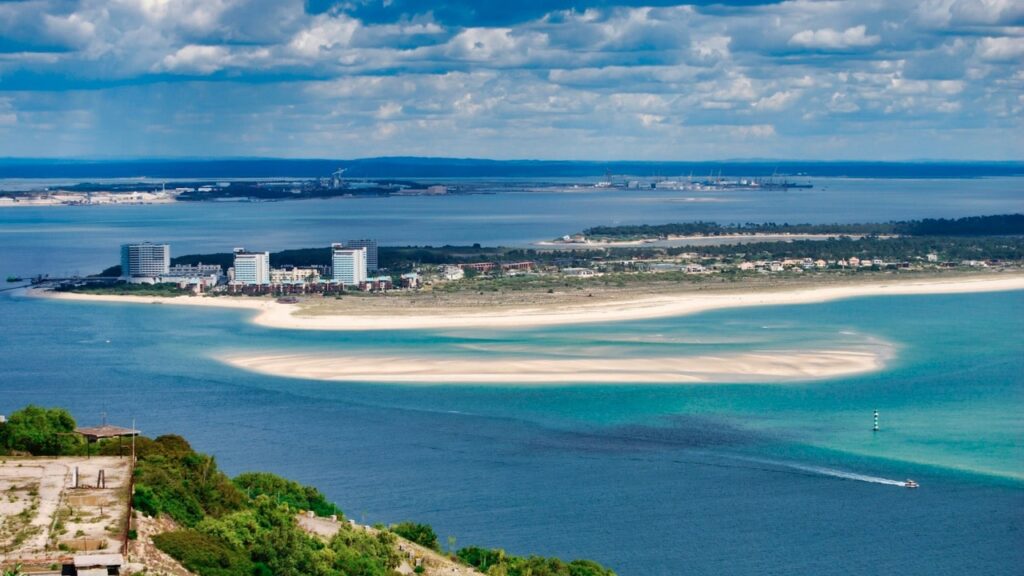
La península de Tróia es un banco de arena largo y estrecho que se extiende unos 25 km hacia el sur desde la desembocadura del estuario del Sado. Se puede llegar a ella desde Setúbal en ferry (unos 15 minutos) o por carretera desde el sur. El lado occidental (el que da al océano) de la península es una playa continua que se extiende a lo largo de toda la península, con un bosque de pinos a sus espaldas. El lado oriental (el que da al estuario) es un lugar protegido y tranquilo.
En el extremo norte de Tróia, junto a la terminal de transbordadores, se encuentran las ruinas de Cetóbriga, el asentamiento romano que precedió a la actual Setúbal. Cetóbriga funcionó principalmente como centro de producción de salazón de pescado (garum) desde el siglo I hasta el V d. C. Las ruinas incluyen los cimientos de las cetarias, suelos de mosaico y una necrópolis. El yacimiento es un parque arqueológico abierto al público.
Cuándo visitar Setúbal
Marzo–Mayo | Templado (14–20°C), avifauna del estuario en su apogeo durante la migración primaveral, poca gente.
Junio–Agosto | Cálido (22–30°C); temporada alta para las playas de Arrábida; ferry a Tróia concurrido los fines de semana.
Septiembre-octubre | Clima cálido (20–26 °C), menos afluencia de turistas, temporada de vendimia en las quintas cercanas.
Noviembre–febrero | Fresco (9–15°C), muy tranquilo; los viajes de delfines operan todo el año.
Setúbal es manejable como una parada de medio día combinada con Arrábida. Un día completo permite visitar el monasterio, el castillo, el paseo en barco para ver delfines y el ferry a Tróia.
Cómo llegar a Setúbal desde Lisboa
En coche: A 48 km al sur de Lisboa por la autopista A2 (cruza el puente 25 de Abril o el puente Vasco da Gama y luego sigue por la A2 en dirección sur). Duración del trayecto: entre 40 y 55 minutos. Hay aparcamiento disponible en el centro de la ciudad y cerca del puerto.
En tren (Fertagus): Hay servicios regulares que salen de las estaciones de Lisboa Oriente y Lisboa Roma-Areeiro y pasan por Fertagus (cruzando el Tajo por el tablero ferroviario del puente 25 de Abril). La duración del trayecto es de unos 50 a 55 minutos. La estación de Setúbal está situada en el centro de la ciudad.
En autobús: Servicios de Rede Expressos desde Lisboa. Viaje de aproximadamente 1 hora. Los servicios regulares operan desde las estaciones de Lisboa Oriente y Lisboa Roma-Areeiro a través de Fertagus.
Tours privados a Setúbal desde Lisboa
Setúbal funciona como la ciudad de entrada al Parque Natural de Arrábida. La mayoría de los tours privados combinan la ciudad (monasterio, castillo o paseo en barco para ver delfines en el puerto) con la carretera costera de Arrábida y sus playas. Évora + La combinación de Setúbal cubre tanto el Alentejo como la costa en un día completo. Todos los tours privados salen de su hotel en Lisboa, Sintra, Cascais, Estoril o en cualquier lugar de la costa.

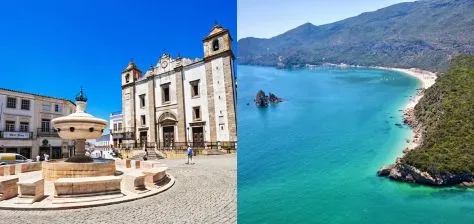
Tours de Vino Privados
Desde Lisboa
Ruta del vino de SETÚBAL
Lugares que no te puedes perder en Setúbal
Castillo de São Filipe
Monasterio
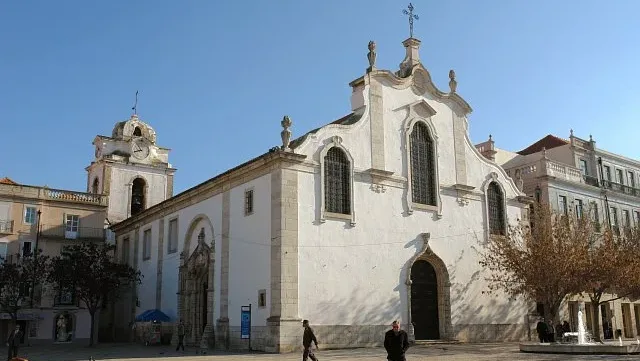
Iglesia de São Julião
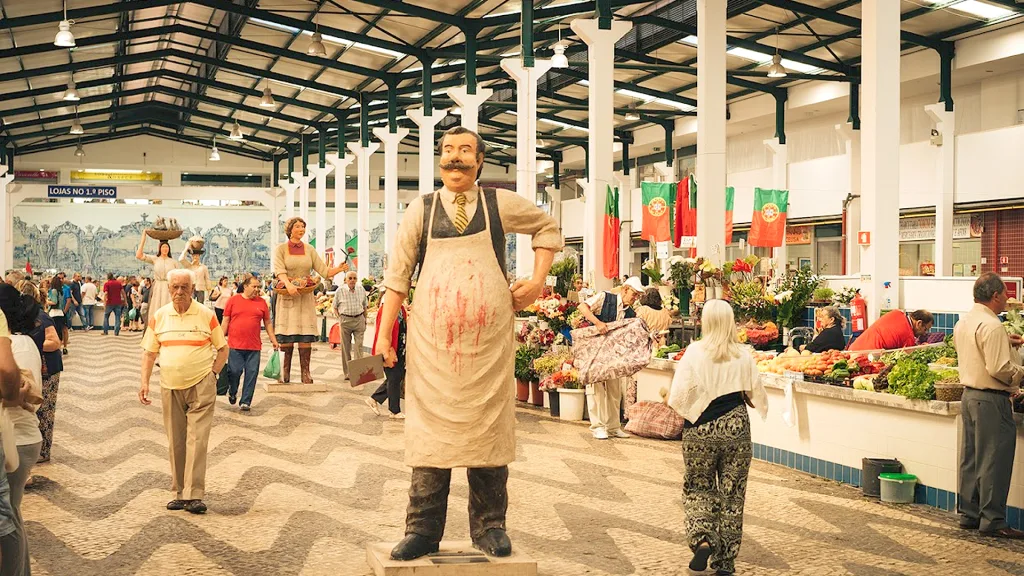
Mercado
Preguntas frecuentes
¿A qué distancia está Setúbal de Lisboa?
Setúbal se encuentra a 48 km al sur de Lisboa por la autopista A2, a unos 40-55 minutos en coche. En tren Fertagus desde Lisboa Oriente, el trayecto dura aproximadamente 50-55 minutos.
¿Qué es el Mosteiro de Jesus de Setúbal?
El Monasterio de Jesús es el ejemplo más antiguo conocido de arquitectura manuelina en Portugal, construido entre 1490 y 1510 por el arquitecto Diogo de Boitaca bajo patrocinio real. Las nervaduras de bóveda retorcidas de la iglesia establecieron un vocab.
¿Hay delfines cerca de Setúbal?
Sí. El estuario de Sado alberga una de las dos poblaciones de delfines mulares residentes permanentes en Portugal, estimada en unos 30 individuos. A diferencia de las poblaciones migratorias, este grupo vive todo el año en el estuario. Los viajes en barco para observar delfines operan desde el puerto de Setúbal.
¿Qué es la arquitectura manuelina?
Manuelino es el estilo arquitectónico gótico tardío portugués, caracterizado por motivos marítimos —cuerda retorcida, coral, esferas armilares y anclas—, renderizados en elaborada talla en piedra. Se desarrolló bajo el reinado del rey Manuel I (r. 1495-1521). El Monasterio de Jesús en Setúbal (1490-1510) es el edificio manuelino más antiguo conocido; el estilo alcanzó su apogeo en el Monasterio de los Jerónimos en Lisboa (1502-1517) y el Convento de Cristo en Tomar.
¿Qué es Moscatel de Setúbal?
Moscatel de Setúbal es un vino fortificado hecho de uvas Moscatel de Alejandría, producido en la región vinícola DOC Setúbal. Tiene producción documentada que data del siglo XVI. El vino es dulce, dorado y aromático, fortificado con aguardiente de uva para preservar los azúcares naturales. Tiene su propia subdenominación dentro de la DOC Setúbal.
¿Qué es el Castillo de San Felipe?
El Castelo de São Filipe es una fortaleza construida en la década de 1590 bajo el rey Felipe I de Portugal (Felipe II de España) para defender el puerto de Setúbal de los ataques navales holandeses e ingleses. Diseñado por el arquitecto militar italiano Filipe Terzi, ahora funciona como un hotel patrimonial pousada con vistas a la Ría del Sado.
¿Qué es la Península de Troya?
Tróia es un tómbolo de 25 km en la desembocadura del estuario del Sado, al que se llega en ferry desde Setúbal (15 minutos). La cara occidental es una playa continua con condiciones atlánticas tranquilas. En su extremo norte se encuentran las ruinas de la Cetóbriga romana – una fábrica de salazón de pescado (garum) que operó desde el siglo I hasta el V d.C. – abierta como parque arqueológico.
¿Cuál es la mejor época para visitar Setúbal?
Septiembre y octubre ofrecen clima cálido (20–26°C), coinciden con la temporada de cosecha de vino y tienen menos visitantes que julio y agosto. Marzo a mayo es ideal para la observación de aves de estuario durante la migración de primavera. Los paseos de delfines operan todo el año.
¿Puedo combinar Setúbal con Arrábida en el mismo día?
Sí. La mayoría de las excursiones de un día desde Lisboa combinan Setúbal con el Parque Natural de Arrábida en el mismo itinerario. La carretera de la costa a través de Arrábida comienza al oeste de Setúbal. Una típica media jornada asigna 1–2 horas en Setúbal (monasterio + puerto) y 2–3 horas en la costa de Arrábida.
¿Es fácil llegar a Setúbal en tren desde Lisboa?
Sí. Los trenes de Fertagus circulan desde Lisboa Oriente y Roma-Areeiro hasta Setúbal, cruzando el Tajo por la cubierta ferroviaria del Puente 25 de Abril. El viaje dura aproximadamente 50-55 minutos. Los trenes circulan con frecuencia durante todo el día.