


En casi todas las excursiones que organizo surge la misma pregunta: “Tenemos tres días. ¿Qué no deberíamos perdernos?”.”
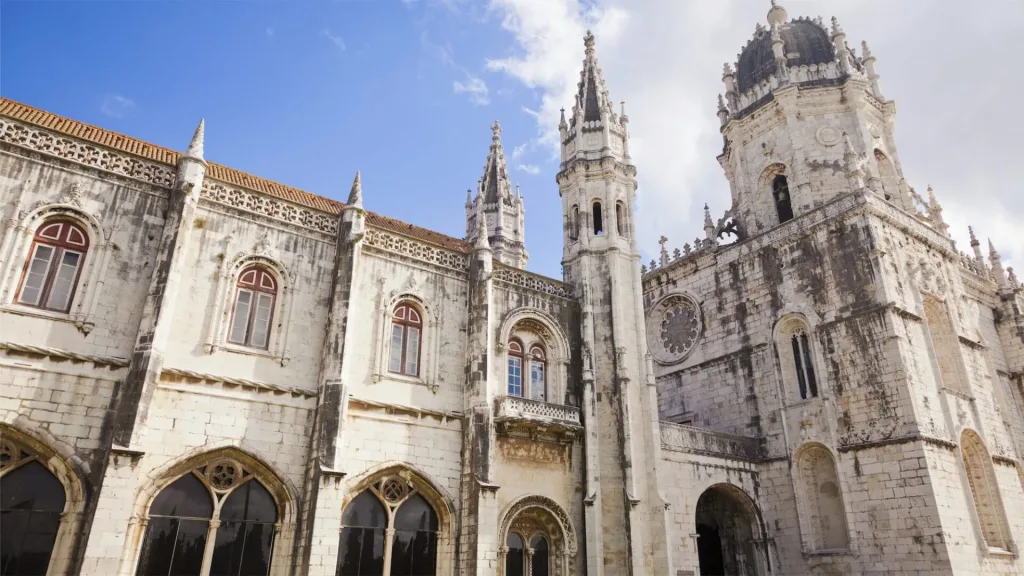
Tres días son suficientes. Lisboa es compacta: el centro histórico se extiende aproximadamente 8 km desde Belém hasta Alfama, y la mayoría de las atracciones principales están a 20 minutos a pie unas de otras. Lo que los turistas suelen calcular mal es el tiempo, no la distancia. Monasterio de los Jerónimos y Castillo de San Jorge En verano, ambas atracciones suelen tener colas de 30 a 60 minutos antes de las 10:00. La Torre de Belém se llena aún más rápido. La solución es sencilla: llegar temprano o ir tarde.
Esta lista incluye 15 cosas que hacer en Lisboa, aproximadamente en el orden en que recomiendo visitarlas. Dos de ellas —el Museo Nacional del Azulejo y el Museo Nacional de Carruajes— suelen pasar desapercibidas para la mayoría de los turistas. Ambas son de las mejores visitas de la ciudad, con colas mucho más cortas que en los lugares más concurridos. Les explicaré por qué.
Torre de Belém
Torre de Belém fue construida entre 1514 y 1520 en la orilla norte del río Tajo en Belém. Su propósito original era funcional: una torre fortificada para defender la entrada del puerto y un faro para los barcos que regresaban de la Era de los Descubrimientos.
La arquitectura es manuelina: el estilo gótico tardío portugués que definió la construcción bajo el rey Manuel I, diseñado por Francisco de Arruda. Fíjese en las esferas armilares talladas, las cabezas de rinoceronte en la base de la torre (influenciadas directamente por la ilustración del rinoceronte de Albrecht Dürer de 1515, que circuló por toda Europa después de que el animal fuera obsequiado a Manuel I), y las cuerdas y anclas incrustadas en la piedra.
En 1983, Torre de Belém fue inscrita como un Patrimonio de la Humanidad de la UNESCO Junto con el Monasterio de los Jerónimos, bajo la inscripción única n.º 263. Ambos son reconocidos como monumentos de la Era de los Descubrimientos de Portugal.
Entrada: 15 €/adulto. En verano, se forman colas a partir de las 10:00; para una visita tranquila, llegue antes de las 9:30. El interior tiene cinco plantas conectadas por estrechas escaleras medievales, lo que dificulta el acceso a personas con movilidad reducida.
La mayoría de los visitantes pasan entre 30 y 45 minutos aquí. El Monasterio de los Jerónimos está a 10 minutos a pie; se recomienda visitar ambos lugares la misma mañana. Los fines de semana, de abril a octubre, aparcar en Belém después de las 10:00 es prácticamente imposible; el transporte privado o el tren desde la estación de Cais do Sodré solucionan este problema.

Monasterio de los Jerónimos
El rey Manuel I encargó la Monasterio de los Jerónimos En 1501. La construcción se prolongó durante casi 100 años; el cuerpo principal fue completado por el arquitecto João de Castilho, quien sucedió al arquitecto original Boytac. El resultado es el ejemplo más completo de arquitectura manuelina en Portugal.
Los claustros abarcan 55 × 55 metros y su construcción duró aproximadamente 50 años. El portal sur, que da a los jardines, presenta la ornamentación de piedra más elaborada del exterior. Tanto los claustros como el interior de la iglesia merecen una visita; la mayoría de los visitantes dedican todo su tiempo a los claustros y no ven las tumbas.
La iglesia alberga la tumba de Vasco da Gama, quien falleció en Cochin, India, en 1524 y fue trasladado a Lisboa. Junto a ella se encuentra la tumba del poeta Luís de Camões, autor de Os Lusíadas (1572). Ambas se ubican en la nave de la iglesia, no en el claustro.
El monasterio fue construido en el emplazamiento de una capilla fundada por Enrique el Navegante. Comparte Patrimonio Mundial de la UNESCO inscripción nº 263 con Torre de Belém.
Entrada: 18 €/adulto. Entrada gratuita el primer domingo de cada mes antes de las 14:00. En julio y agosto, se recomienda reservar en línea, ya que las colas sin reserva pueden superar la hora a las 10:30. Si llega a la hora de apertura (10:00) o después de las 16:30, no necesita reserva.
El Pasteles de Belém La panadería está justo al lado y funciona desde 1837, utilizando la receta original del monasterio.
Castillo de San Jorge
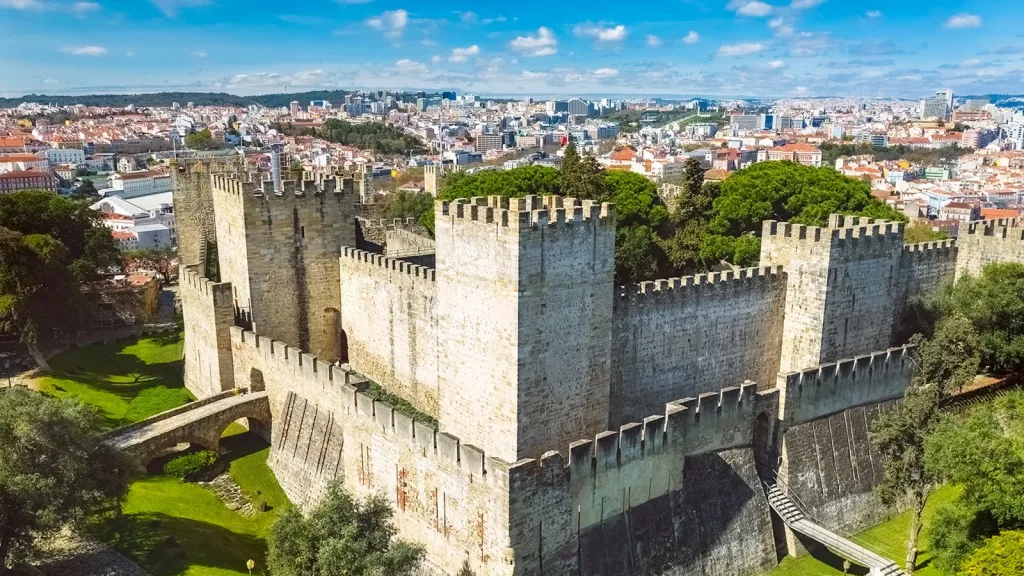
Las fortificaciones moriscas que se convirtieron Castillo de San Jorge Data del siglo VIII y fue construida durante la ocupación musulmana de la península ibérica. En 1147, Alfonso Henriques, primer rey de Portugal, sitió Lisboa. El asedio duró cuatro meses, con tropas portuguesas apoyadas por cruzados del norte de Europa que accedieron a detenerse y prestarles ayuda en su viaje a Tierra Santa. El castillo cayó y Lisboa pasó a formar parte del reino cristiano.
El castillo sirvió como palacio real de Portugal desde el siglo XII hasta el XVI, cuando la familia real se trasladó al Palacio de Ribeira, cerca del puerto. Después de 1511, São Jorge se convirtió sucesivamente en prisión, arsenal y, finalmente, cayó en ruinas. La estructura actual fue restaurada en gran medida en la década de 1940.
Quedan once torres, con vistas de 360 grados sobre Lisboa, el río Tajo y el Puente 25 de Abril. El yacimiento arqueológico dentro de las murallas —restos fenicios, moriscos y romanos que representan más de 3000 años de ocupación continua— pasa prácticamente desapercibido para la mayoría de los visitantes. Merece la pena dedicarle 20 minutos.
Entrada: 17 €/adulto. Entrada gratuita el primer domingo de cada mes antes de las 14:00. Mejores vistas: 9:30, antes de la bruma matutina y de la llegada de la mayor afluencia de visitantes. Las mañanas entre semana son mucho más tranquilas que los fines de semana.
Museo Nacional del Azulejo – Museu Nacional do Azulejo
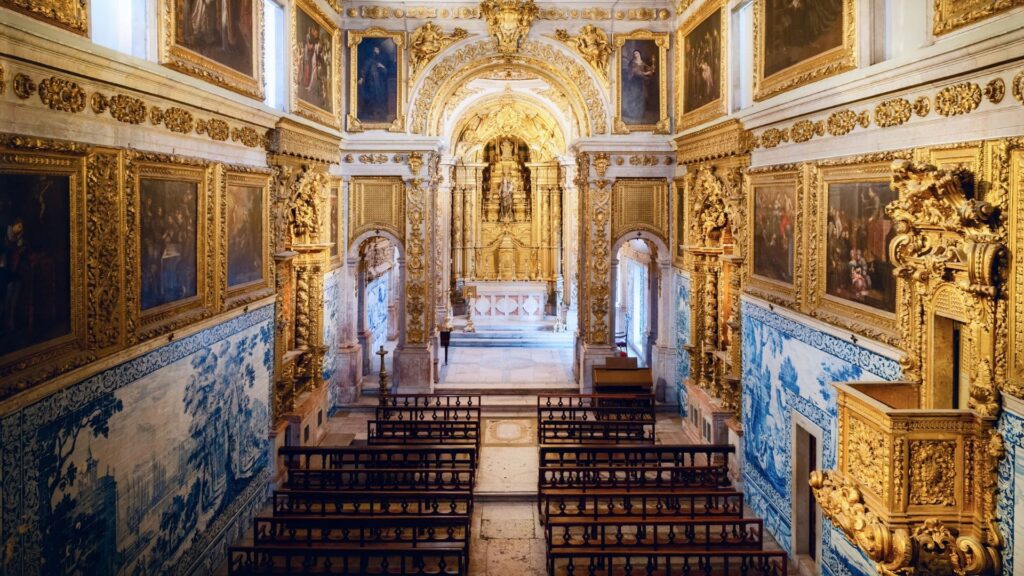
El Museo Nacional del Azulejo es una de las pocas instituciones de Lisboa sin equivalente en el mundo. Es el único museo dedicado exclusivamente al azulejo, el revestimiento cerámico decorativo que ha definido la arquitectura y el diseño de interiores portugueses durante 500 años.
El museo se encuentra en el antiguo Convento da Madre de Deus, fundado en 1509 por la reina Doña Leonor. El interior de la capilla barroca del convento, completamente revestido de madera dorada y azulejos del siglo XVIII, merece una visita independientemente de la colección.
La pieza central es el “Panorama de Lisboa” (1738): un panel de azulejos de 23 metros de largo que representa Lisboa antes del terremoto de 1755, que destruyó gran parte de la ciudad. Es el único testimonio visual a gran escala de la Lisboa pre-terremoto: calles, palacios y el paseo marítimo de la Ribeira que ya no existen. Ni fotografías, ni pinturas. Solo azulejos.
La colección abarca desde el siglo XV hasta el XXI: aproximadamente 1.300 piezas ordenadas cronológicamente.
Entrada: 10 €/adulto – Mucho más económico que la mayoría de los museos importantes de Lisboa. Se encuentra a 15 minutos en Uber del centro de la ciudad, un poco alejado del circuito turístico principal. Precisamente por eso, la mayoría de los visitantes lo pasan por alto. Calcule 90 minutos.
La tienda del museo vende azulejos pintados a mano. Como descubrió una clienta tras envolver tres de ellos con toda la ropa que había empacado, son considerablemente más pesados de lo que parecen. Esta información no aparece en ninguna de las guías impresas.
A partir del 6 de junio de 2026, el museo está cerrado por reformas; consulte la información más reciente en museosemonumentos.pt
Catedral de Alfama y Sé
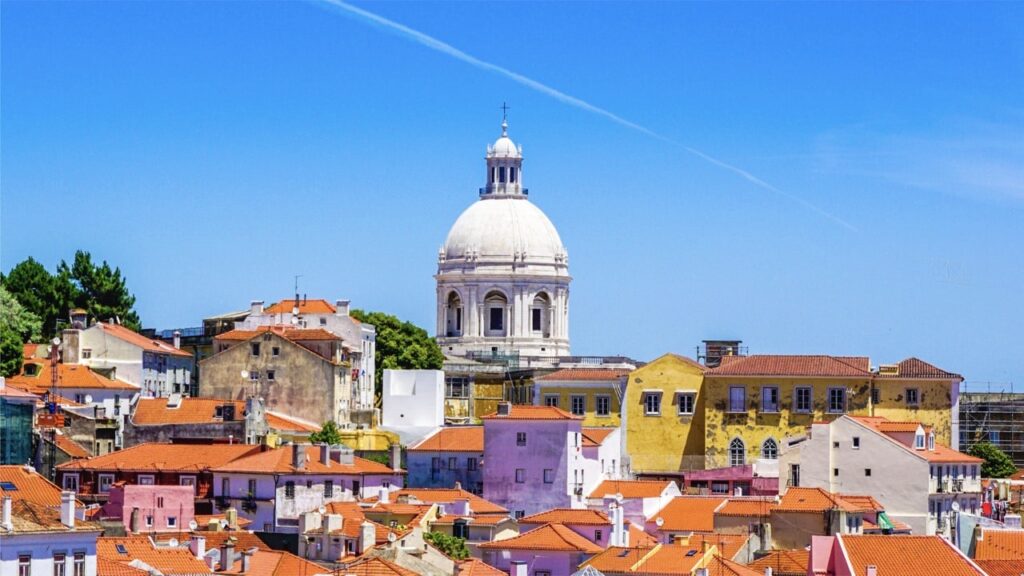
Alfama Alfama es el barrio más antiguo que aún se conserva en Lisboa. Su nombre deriva del árabe al-hamma —“manantiales termales”— y data de la ocupación musulmana que comenzó en el siglo VIII. A diferencia del resto de Lisboa, Alfama sobrevivió al terremoto de 1755 prácticamente intacto. La razón es geológica: el barrio está construido sobre roca sólida, mientras que la parte baja de la ciudad se asienta sobre suelo aluvial, que amplificó la onda sísmica y causó la mayor parte de la destrucción.
El resultado es un trazado urbano medieval que se ha mantenido inalterado desde el siglo XII: callejones estrechos, pasajes escalonados y casas encaladas con tejados de terracota.
La Catedral de Sé La iglesia más antigua de Lisboa se comenzó a construir en 1147, el mismo año en que Afonso Henriques conquistó la ciudad. Se erigió sobre el emplazamiento de la mezquita principal. Su exterior, similar a una fortaleza, refleja su doble función original: iglesia y baluarte. En su interior se encuentran un belén esculpido por Joaquim Machado de Castro y las tumbas de varios obispos medievales.
El fado se originó en Alfama y el barrio adyacente de Mouraria en las décadas de 1820 y 1840. En 2011, La UNESCO inscribió el fado como Patrimonio Cultural Inmaterial de la Humanidad.. El Museu do Fado, situado en Largo do Chafariz de Dentro, abrió sus puertas en 1998 y documenta la historia completa del género.
Entrada: 5 €/adulto.
Tranvía 28 El tren pasa por Alfama en su recorrido por el centro histórico. Todos los visitantes de Lisboa lo descubren gracias a una guía turística. Lo que rara vez menciona la guía: aproximadamente 800.000 turistas hicieron el mismo descubrimiento antes que ellos y todos esperan en la misma parada. Si el objetivo es ver Alfama, caminar permite recorrer más y lleva menos tiempo.
Plaza del Comercio (Praça do Comércio)
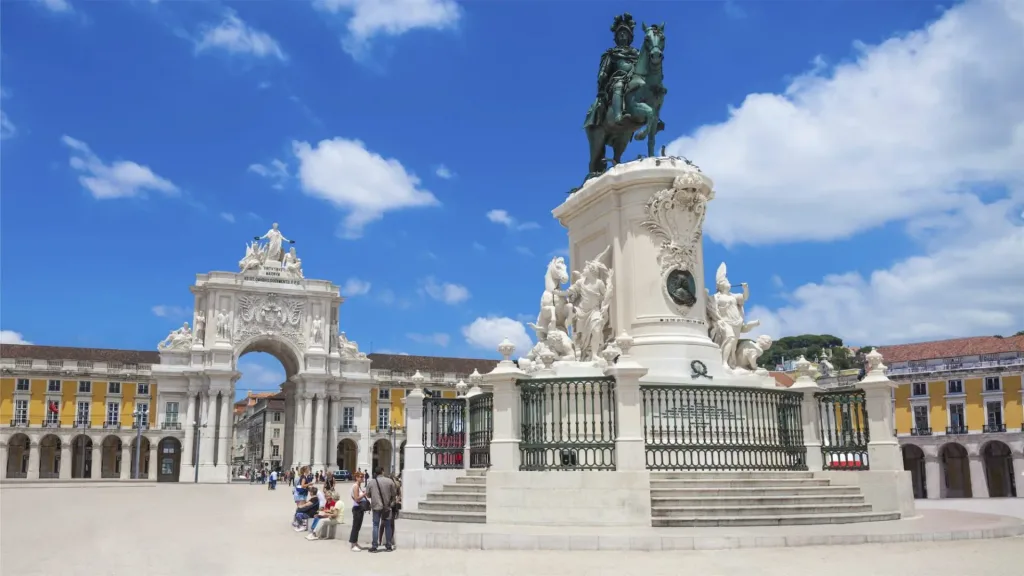
Plaza del Comercio (Praça do Comércio) Es una de las plazas públicas más grandes de Europa —aproximadamente 19.000 m²— y la entrada oficial a Lisboa desde el río Tajo.
La plaza se construyó tras el terremoto de 1755 en el emplazamiento del Palacio de Ribeira, la principal residencia real de Lisboa desde el siglo XVI. El terremoto destruyó el palacio por completo. El marqués de Pombal, que dirigió la reconstrucción de Lisboa, lo sustituyó por una plaza abierta destinada al comercio y la administración pública.
La estatua ecuestre del centro representa al rey José I. Fue realizada por el escultor Joaquim Machado de Castro en 1775; el caballo y el jinete miden 8,5 metros de altura. El Arco da Rua Augusta —el arco triunfal que enmarca la plaza desde el lado de la ciudad— se terminó en 1875, 120 años después del terremoto. Se puede acceder a la azotea del arco, desde donde se disfruta de una de las mejores vistas panorámicas de la plaza y el río.
La Praça do Comércio es un punto de referencia natural: desde aquí, la geografía de Lisboa cobra sentido. La red de tranvías comienza aquí. Los transbordadores fluviales hacia la orilla sur parten del muelle contiguo; un trayecto de 15 minutos hasta Cacilhas por 1,55 €, con vistas de Lisboa mejores que las de la mayoría de los miradores.
Oceanário de Lisboa
El Oceanário de Lisboa Inaugurado en 1998 como legado permanente de la Expo 98, la Exposición Universal celebrada en Lisboa ese año bajo el lema "Los océanos: un patrimonio para el futuro". Está ubicado en el Parque das Nações, el distrito construido sobre terrenos industriales recuperados en el este de Lisboa para el evento.
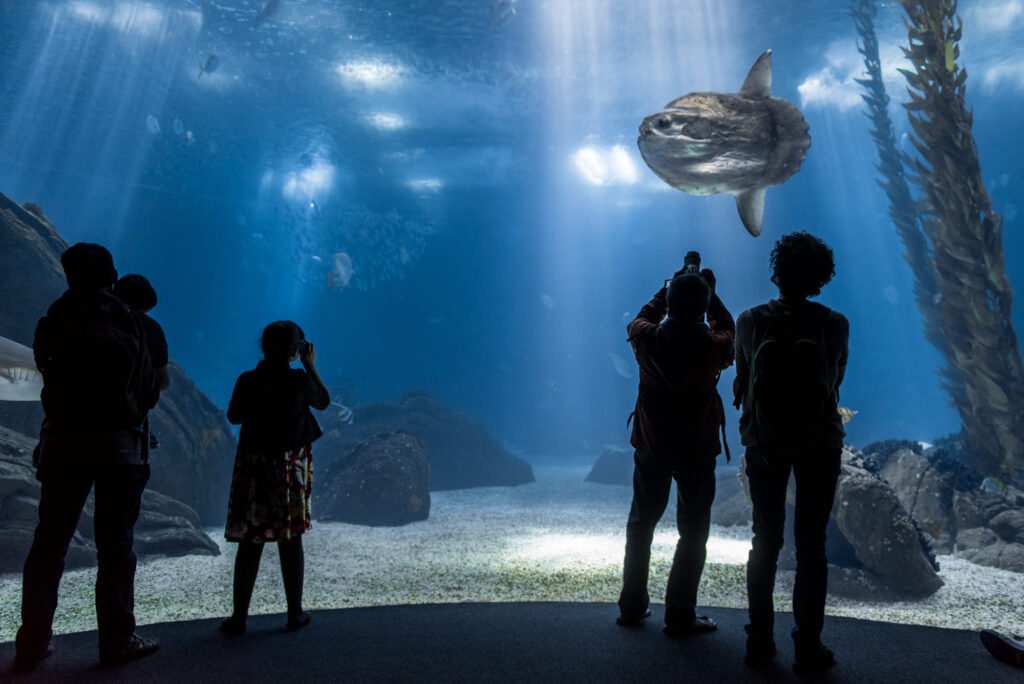
El tanque central contiene 5 millones de litros de agua de mar. En su interior, alberga aproximadamente 8000 animales de más de 500 especies, incluyendo un pez luna adulto (Mola mola), que rara vez se exhibe en acuarios debido a su tamaño y sensibilidad. Cuatro entornos oceánicos que rodean el tanque central —Atlántico, Pacífico, Índico y Antártico— presentan cada ecosistema a la misma hora del día.
Entrada: entre 25 y 29 € por adulto, según la hora del día.
Acceso mediante la línea roja del metro hasta la estación Oriente: aproximadamente 15 minutos desde el centro de la ciudad. Calcule entre 1,5 y 2 horas.
Para quienes viajan con niños, el Oceanario es la mejor opción en la ciudad después del castillo. Para adultos sin niños: es una buena opción, pero si el tiempo es limitado, se recomienda priorizar el centro histórico y visitar el Oceanario por la tarde.
Oceanário de Lisboa
El Oceanário de Lisboa Inaugurado en 1998 como legado permanente de la Expo 98, la Exposición Universal celebrada en Lisboa ese año bajo el lema "Los océanos: un patrimonio para el futuro". Está ubicado en el Parque das Nações, el distrito construido sobre terrenos industriales recuperados en el este de Lisboa para el evento.
El tanque central contiene 5 millones de litros de agua de mar. En su interior, alberga aproximadamente 8000 animales de más de 500 especies, incluyendo un pez luna adulto (Mola mola), que rara vez se exhibe en acuarios debido a su tamaño y sensibilidad. Cuatro entornos oceánicos que rodean el tanque central —Atlántico, Pacífico, Índico y Antártico— presentan cada ecosistema a la misma hora del día.
Entrada: entre 25 y 29 € por adulto, según la hora del día.
Acceso mediante la línea roja del metro hasta la estación Oriente: aproximadamente 15 minutos desde el centro de la ciudad. Calcule entre 1,5 y 2 horas.
Para quienes viajan con niños, el Oceanario es la mejor opción en la ciudad después del castillo. Para adultos sin niños: es una buena opción, pero si el tiempo es limitado, se recomienda priorizar el centro histórico y visitar el Oceanario por la tarde.
Miradouros – Miradores de Lisboa
Lisboa está construida sobre siete colinas. Los miradores —puntos de observación oficiales— se ubican donde terminan las colinas y se abre la vista. Hay más de 20 en toda la ciudad. Cuatro merecen la pena la visita:
Mirador de las Puertas del Sol — En Alfama; con vistas a los tejados del barrio y al río Tajo. Hay una cafetería. Los bancos se llenan rápidamente después de las 10:00.
Mirador de Santa Lucía — Junto a Portas do Sol, enmarcada por buganvillas en verano. Dos paneles de azulejos en la pared contigua representan Lisboa antes del terremoto de 1755 y el asedio cristiano de 1147. Merece la pena leerlos antes de entrar en Alfama.
Mirador de Gracia — A 108 metros sobre el nivel del mar; vista despejada del Castillo de San Jorge, la cuadrícula de la Baixa y el Puente 25 de Abril. Más tranquilo que los miradores de Alfama: lo frecuentan más los lugareños y menos los turistas.
Miradouro de São Pedro de Alcántara — En Bairro Alto, mirando hacia el este; ofrece una vista panorámica de todo el distrito de Baixa y el castillo. Útil para comprender la geografía de Lisboa de un vistazo.
El mejor momento para disfrutar de cualquier vista es entre las 8:00 y las 9:30 (antes de la llegada masiva de visitantes) o entre las 18:00 y las 19:30 (cuando hay menos gente y la luz sobre el Tajo es mejor).
La pregunta más común que me hacen en cualquier mirador es: "¿Cuál es el mejor?". Mi respuesta sincera es que las fotos son prácticamente iguales. En persona, el Graça es el único donde puedes oír tus propios pensamientos antes de las 10 de la mañana.

Fábrica LX
Fábrica LX ocupa un antiguo complejo industrial en el barrio de Alcântara, entre el centro de Lisboa y Belém. El sitio data de 1846, cuando la Companhia de Fiação e Tecidos Lisbonense, una empresa de fabricación textil, estableció sus operaciones junto a la vía férrea. La fábrica cerró progresivamente a lo largo del siglo XX.
En 2008, el complejo de 23.000 m² se transformó en un centro creativo: estudios de diseño, restaurantes, librerías independientes y espacios para eventos culturales ocupan ahora los antiguos edificios de la fábrica. Se conservó la estructura industrial original: ladrillo visto, vigas de acero y estrechos pasillos entre los edificios.
El mercado dominical (Mercado da LX) es el evento más visitado: artesanía, ropa vintage, cerámica y puestos de comida local. Abre aproximadamente de 11:00 a 20:00 (en verano) y atrae tanto a turistas como a residentes de Lisboa. Los domingos, recibe entre 10.000 y 15.000 visitantes.
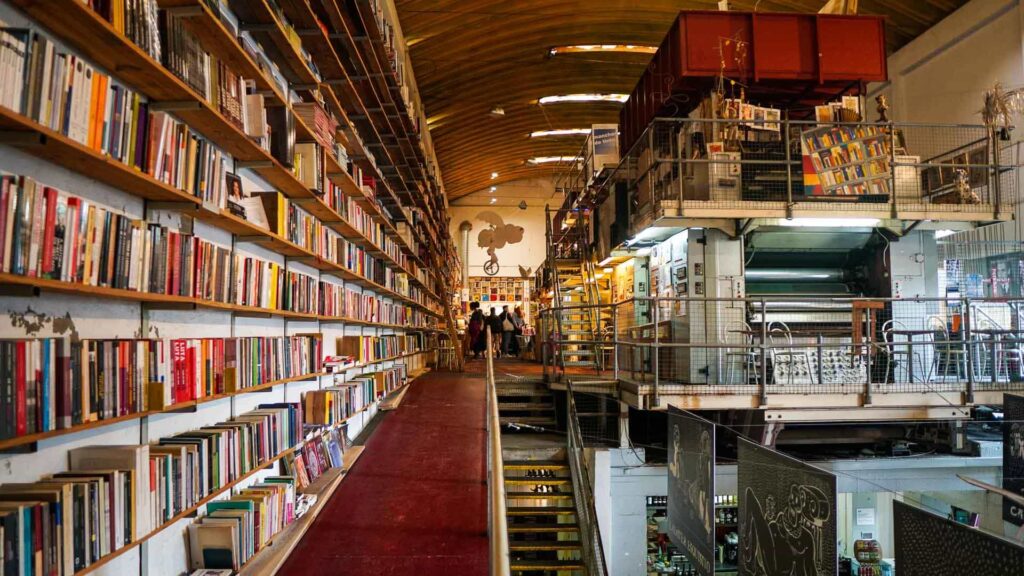
Ler Devagar, una librería ubicada en una antigua imprenta de dos plantas, tiene estanterías que alcanzan los 10 metros de altura. Merece la pena dedicarle diez minutos, independientemente de si se tienen en mente novelas portuguesas.
Su ubicación justo debajo del Puente 25 de Abril confiere a LX Factory un carácter singular, totalmente distinto al del centro histórico. Las tardes de los días laborables, cuando no hay aglomeraciones en el mercado, son el momento en que el espacio se muestra en su máximo esplendor.
Fado
El fado es el género musical portugués inscrito por la UNESCO como Patrimonio Cultural Inmaterial en 2011. Sus orígenes se encuentran en Lisboa, concretamente en Alfama y Mouraria, entre las décadas de 1820 y 1840. Se desarrolló en las tascas y tabernas de estos barrios a partir de una combinación de ritmos africanos traídos por los marineros, influencias melódicas moriscas y la música folclórica urbana de la clase trabajadora.
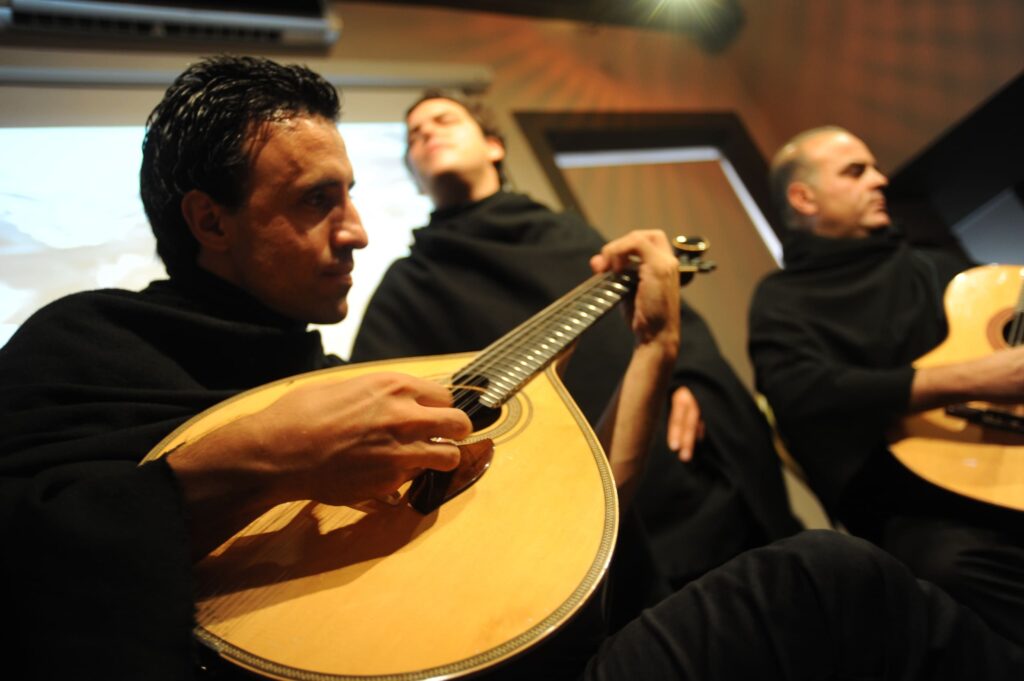
Una interpretación de fado la realiza un vocalista (fadista) y uno o dos músicos: la guitarra portuguesa (un instrumento de 12 cuerdas sin relación con la guitarra española) y la viola baixo (un instrumento rítmico de seis cuerdas). La estructura de la canción permite la improvisación; no hay dos interpretaciones del mismo fado idénticas.
El Museo del Fado, situado en Largo do Chafariz de Dentro en Alfama, abrió sus puertas en 1998 y documenta la trayectoria completa del género desde sus orígenes hasta la actualidad. Entrada: 5 €/adulto. Duración: 45 minutos.
Para escuchar fado en directo: los restaurantes de Alfama y Bairro Alto ofrecen espectáculos nocturnos que suelen incluir cena. Presupuesto: entre 35 y 65 € por persona. Los espectáculos duran entre 60 y 90 minutos y suelen empezar a las 20:00 o a las 21:00.
La señal más clara para distinguir una trampa para turistas de una auténtica casa de fado: un menú plastificado en ocho idiomas con fotografías. Los mejores lugares suelen ser más tranquilos y con letreros menos visibles. Generalmente se requiere reserva.
Bairro Alto y Pink Street
Bairro Alto —el “Barrio Alto”— fue construido en el siglo XVI. Hoy en día es la principal zona de ocio nocturno de Lisboa, con más de 300 bares y restaurantes concentrados en aproximadamente medio kilómetro cuadrado. Durante el día es uno de los barrios céntricos más tranquilos, ideal para pasear y para acceder al Miradouro de São Pedro de Alcântara, situado en su extremo oriental. Después de las 20:00, su ambiente cambia por completo.
Rua Nova do Carvalho, conocida como Calle Rosa — Está a cinco minutos a pie del Bairro Alto, en el barrio contiguo de Cais do Sodré. La calle se pintó de rosa en 2011 como parte de un proyecto de regeneración urbana que transformó un antiguo barrio rojo en una zona de bares y restaurantes. El color se ha mantenido. Es la calle más fotografiada de Lisboa después de los miradores de Alfama.
El Mercado de Ribeira (Time Out Market) se encuentra a dos minutos de la calle Rosa, en un mercado del siglo XIX en Cais do Sodré. En su interior funcionan aproximadamente 35 puestos de comida y bares, que representan a auténticos restaurantes lisboetas. Es grande, concurrido y ruidoso, algo que conviene saber de antemano. La calidad es constante; el problema no son los precios abusivos para turistas, sino la cantidad de gente.

Museo Nacional del Carro – Museu Nacional dos Coches
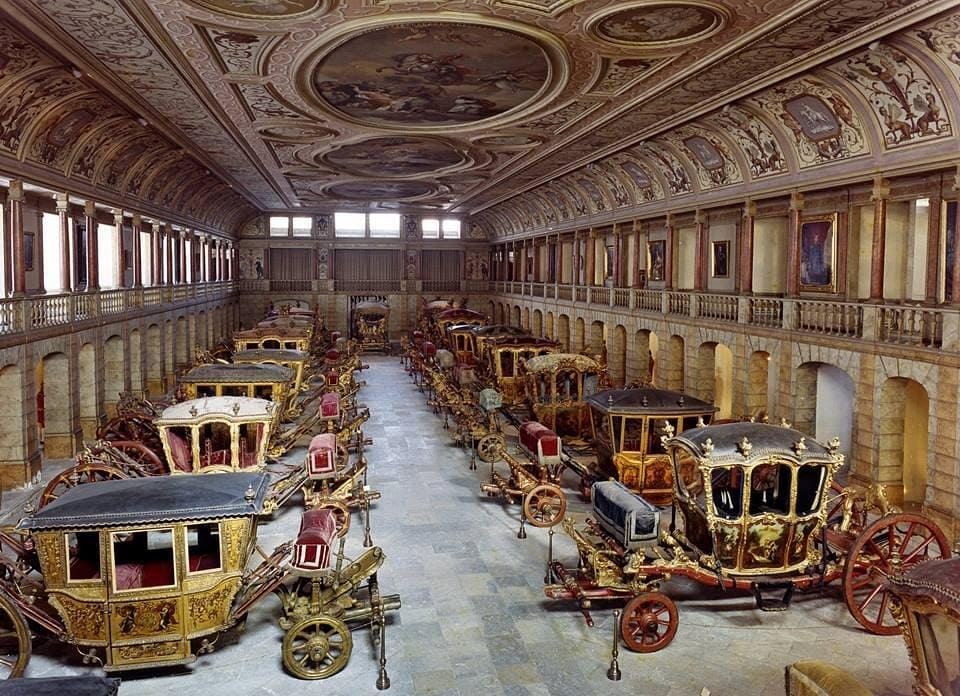
El Museo Nacional de Carruajes alberga la mayor colección de carruajes reales del mundo: aproximadamente 70 vehículos de los siglos XVII, XVIII y XIX.
El museo fue fundado en 1905 por la reina Doña Amélia, quien eligió la Real Escuela de Equitación de Belém como su primera sede. En 2015, la colección se trasladó a un edificio especialmente diseñado por el arquitecto brasileño Paulo Mendes da Rocha (Premio Pritzker, 1996). El edificio tiene 75 metros de largo y los vehículos están dispuestos cronológicamente.
Las piezas más antiguas datan de finales del siglo XVII. Las más significativas son los tres carruajes barrocos encargados por el rey Juan V para el embajador portugués en Roma en 1715: carpintería dorada, pinturas alegóricas en los paneles, interiores de terciopelo; se encuentran entre los vehículos con ruedas más ornamentados que existen.
La mayoría de los visitantes de Belém pasan de largo el Museo de Carruajes y hacen cola para entrar en la Torre de Belém. Es comprensible: una torre del siglo XVI, declarada Patrimonio de la Humanidad por la UNESCO, es más fácil de explicar que un edificio repleto de carruajes del siglo XVII. Los carruajes que se encuentran en su interior son anteriores a la mayoría de las atracciones a las que la gente se dirige con tanta prisa. Además, la cola es considerablemente más corta.
Nota del guía: Combínelo con una mañana en Belém (Jerónimos + Torre de Belém + Museo del Autocar) para conocer el arco histórico completo del distrito en una sola visita.
Museo Calouste Gulbenkian
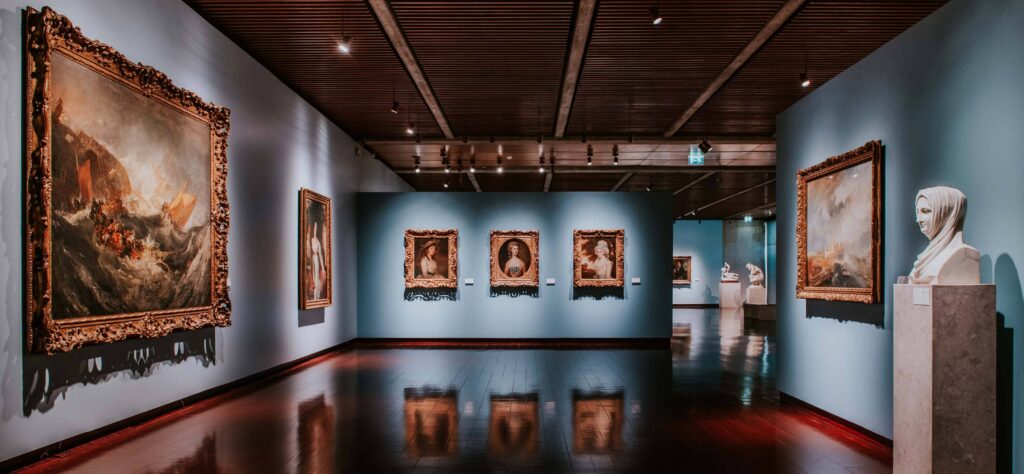
Calouste Sarkis Gulbenkian (1869-1955) fue un magnate petrolero armenio-británico conocido como "el señor del cinco por ciento". Este apodo hace referencia a la participación del 51% que negoció en la Iraqi Petroleum Company, que abarcaba cada barril extraído de lo que hoy es Irak. Al morir, se encontraba entre las personas más ricas del mundo.
Gulbenkian se instaló en Lisboa durante la Segunda Guerra Mundial y falleció allí en 1955. Legó toda su colección de arte, así como el fondo para su mantenimiento y ampliación, a Portugal.
El museo abrió sus puertas en 1969 con más de 6000 obras que abarcan 4000 años de historia del arte: antigüedades egipcias, monedas griegas, manuscritos islámicos, libros iluminados armenios, lacas japonesas, pinturas flamencas (Rubens, Rembrandt), impresionismo francés (Monet, Renoir) y una colección completa de joyas de René Lalique. La colección está organizada cronológica y geográficamente. En el mismo recinto se encuentra el Centro de Arte Moderno (CAM), cuya entrada está incluida.
Entrada: 12 €/adulto. Se recomienda dedicar entre 2 y 3 horas. El Museo Gulbenkian figura sistemáticamente entre los mejores museos de arte de Europa según las evaluaciones especializadas, pero es mucho menos conocido internacionalmente de lo que merece.
El Museo Gulbenkian permanecerá cerrado por reformas hasta julio de 2026.
Pasteles de Belém
Pastéis de nata Fueron creados en las cocinas del Monasterio de los Jerónimos. Cuando las órdenes religiosas fueron abolidas en Portugal en 1834, una refinería de azúcar cercana compró la receta a los monjes. En 1837, la tienda Pastéis de Belém abrió sus puertas en la Rua de Belém 84 —su dirección actual— y desde entonces ha utilizado la receta original del monasterio.
La receta es conocida por un pequeño grupo de maestros pasteleros que trabajan en la tienda y no ha sido publicada formalmente. Las tartaletas se hornean a alta temperatura —aproximadamente 400 °C— durante unos 8-9 minutos para lograr la superficie caramelizada y el centro cremoso.
En los días de mayor afluencia, entre 12.000 y 20.000 pasteles de Belém salen de esta tienda. La cola se extiende hasta la calle a las 11:00. Suelo recomendar ir antes de las 10:30 entre semana, no porque el pastel cambie después, sino porque comerlo de pie en una acera abarrotada sí que cambia. Para quienes prefieran evitar la cola por completo: Manteigaria, en Chiado, o el Time Out Market, son las alternativas más recomendables.
Las mañanas de los días laborables antes de las 10:30 son las menos concurridas. Hay una amplia zona de comedor en el interior; la cola avanza más rápido de lo que parece desde fuera.

Excursiones de un día desde Lisboa
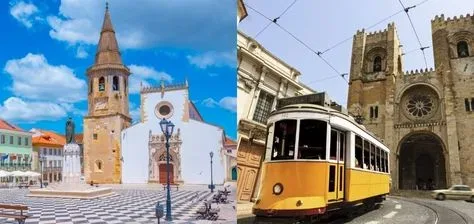
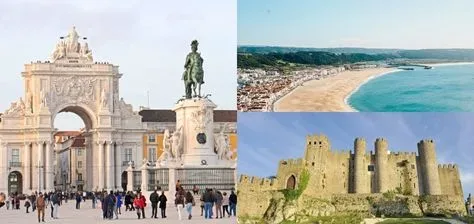
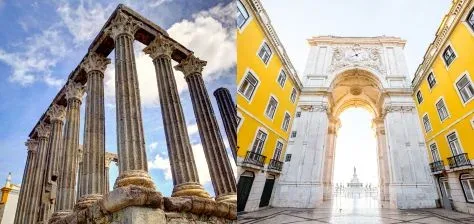
Lisboa es uno de los puntos de partida más convenientes para excursiones de un día en Europa. A tan solo una hora y media en coche se encuentran dos sitios declarados Patrimonio de la Humanidad por la UNESCO, la costa atlántica, un importante lugar de peregrinación católica y pueblos medievales desconocidos para la mayoría de los visitantes internacionales.
Organizamos excursiones privadas y en grupos reducidos desde Lisboa.



Preguntas frecuentes
¿Cuántos días necesitas en Lisboa?
Tres días completos permiten recorrer las principales atracciones sin prisas. El centro histórico se extiende aproximadamente 8 km desde Belém hasta Alfama, y la mayoría de los lugares de interés están a poca distancia a pie. Se puede añadir un cuarto día para visitar el Museo Nacional del Azulejo, el Parque das Nações o dedicar medio día al Museo Gulbenkian.
¿Cuál es la mejor manera de moverse por Lisboa?
Caminar, el metro y Uber cubren todas las necesidades. El metro funciona de 6:30 a 1:00 y conecta todas las zonas principales. Uber y Bolt son servicios fiables y con precios competitivos. También hay taxis disponibles en abundancia.
¿Merece la pena coger el tranvía 28 en Lisboa?
Como experiencia, sí. Como medio de transporte diario, no. El tranvía 28 circula lentamente por las zonas turísticas más concurridas, es un blanco frecuente de carteristas en el barrio de Alfama y suele estar más lleno que cualquier otra alternativa. Si el objetivo es visitar Alfama, caminar permite recorrer más terreno en menos tiempo.
¿Cuál es la mejor época para visitar Lisboa?
Mayo, junio y septiembre ofrecen la mejor combinación de clima, afluencia de público moderada y precios de hotel asequibles. Julio y agosto son los meses más cálidos, pero también temporada alta: es habitual encontrar colas de 30 a 60 minutos en los castillos de Jerónimos y San Jorge a partir de las 10:00.
¿Cuánto cuesta visitar las principales atracciones de Lisboa?
Precios aproximados de entrada para adultos: Torre de Belém 15 €, Monasterio de los Jerónimos 18 €, Castelo de São Jorge 17 €, Museo Nacional del Azulejo 10 €, Oceanário 25-29 €, Museo Nacional de las Carrozas 15 €, Museo Calouste Gulbenkian 12 €. El primer domingo de cada mes Jerónimos y el Castillo son gratuitos antes de las 14:00 horas.
¿Es Lisboa segura para los turistas?
Portugal se encuentra entre los 7 países más seguros del mundo (Índice de Paz Global 2026El principal riesgo son los pequeños hurtos: carterismo en el tranvía 28, en Alfama y en los miradores concurridos. Se aplican las precauciones urbanas habituales. Servicios de emergencia: 112.
¿Qué atracciones de Lisboa requieren reserva previa?
En julio y agosto: tanto el Monasterio de los Jerónimos como la Torre de Belém ofrecen reservas online, y ambas lo justifican, ya que las colas sin reserva previa pueden superar la hora. El Museo Nacional de Carruajes y el Museo Nacional del Azulejo rara vez requieren reserva anticipada.
¿Cuál es el mejor mirador de Lisboa?
El Miradouro da Graça (108 m) es el menos concurrido y tiene la vista más clara del Castillo de São Jorge. Para la clásica vista de la azotea de Alfama: Portas do Sol o Santa Luzia. Para una visión geográfica de la ciudad completa: São Pedro de Alcântara en Bairro Alto.
¿Dónde consigo los mejores pastéis de nata en Lisboa?
Pastéis de Belém en Rua de Belém 84: el original, según la receta de 1837 de los monjes Jerónimos. Mejor antes de las 10:30 de lunes a viernes. Subcampeón sin cola: Manteigaria (Chiado o Time Out Market).
¿Puedo visitar Sintra en una excursión de un día desde Lisboa?
Sí. Sintra está a 28 km de Lisboa: 40 minutos en tren desde la estación de Rossio o 35 minutos en coche particular. Un día completo permite visitar el Palacio da Pena, el Castillo de los Moros y el centro histórico. En julio y agosto, llegar al Palacio da Pena antes de las 10:00 evita las colas más largas (de 45 a 75 minutos a media mañana).

Fundador y Director de Yellow Cab TT Tours. Guía en Portugal durante más de 20 años.
Fundó Yellow Cab TT Tours en 2013. 3.372 reseñas de cinco estrellas en Tripadvisor.