Tour privado a Nazaré, Óbidos y Costa de Plata desde Lisboa
(Día completo)
nazaré - são martinho do porto - foz do arelho - óbidos
- (¡Tour privado con vehículo y conductor-guía solo para usted!)


8 Horas
Visita privada
Máx. 8px/Van
Recogida en hotel o apartamento en Lisboa, Sintra, Cascais, Estoril o en cualquier punto de la costa.
Nazaré, São Martinho do Porto, Foz do Arelho, Óbidos
Desde 310 € por vehículo privado (ver precios a continuación)

basado en +3387 reseñas
Resumen del Tour
- Duración: 8 horas.
- Salida: Sugerido 08:30–09:00 – recogida en hotel o apartamento en Lisboa, Sintra, Cascais, Estoril, o en cualquier lugar de la costa.
- Regresar: 17:00–17:30 a su lugar de recogida.
- Tipo de tour: 100% privado: solo para tu grupo.
- Tamaño del grupo: Hasta 8 pasajeros.
- Vehículo Furgoneta privada con aire acondicionado.
- Guía: Conductor-guía con licencia disponible en inglés, español, francés y portugués.
- Destinos: Nazaré, São Martinho do Porto, Foz do Arelho y Óbidos.
- Precio desde: 310 € por vehículo.
- Valoración de Tripadvisor: 5,0/5 según 3.387 opiniones.
- Licencia RNAAT 119/2013.
- Política de cancelación: Cancelación gratuita hasta 24 horas antes de la salida.
Resumen del tour
Esta excursión de día completo desde Lisboa incluye cuatro paradas en la Costa de Plata de Portugal: Nazaré (120 km al norte de Lisboa, hogar del récord mundial Guinness de la ola más grande jamás surfeada: 26,21 m, establecida por Sebastian Steudtner el 29 de octubre de 2020), São Martinho do Porto (una bahía en forma de concha con una playa de 3 km y una abertura al océano de 250 m que mantiene el agua en calma durante todo el año), Foz do Arelho (donde la Lagoa de Óbidos, la laguna costera más grande de Portugal con 6,9 km², se encuentra con el Océano Atlántico), y Óbidos (una ciudad medieval amurallada con 1.565 m de murallas transitables de 13 m de altura, capturada por el primer rey de Portugal en 1148).
El tour es privado (100%): su grupo, su vehículo y su guía-conductor con licencia. Sin traslados compartidos, sin desconocidos, sin un horario fijo. La ruta sigue la costa atlántica hacia el norte desde Lisboa por la autopista A8 y regresa por el mismo camino, cubriendo aproximadamente 230 km.
Este itinerario es ideal para quienes desean disfrutar de la Costa de Plata sin la peregrinación a Fátima. Nazaré, famosa por sus olas, es la puerta de entrada a un pueblo pesquero con una singular distribución en tres barrios y un funicular de 1889. Óbidos ofrece arquitectura medieval, un recorrido a lo largo de la muralla y licor de cereza servido en copas de chocolate. Las paradas en São Martinho y Foz do Arelho le dan a la jornada un toque costero y lagunar que las rutas centradas en Sintra no tienen.
Por qué los viajeros eligen este tour
- 3.387 reseñas verificadas · 5.0 Tripadvisor — Operador turístico privado mejor valorado de Lisboa en la plataforma.
- El único tour por la Costa de Plata que combina 4 paradas en un solo itinerario privado de día completo: Nazaré (sitio con récord mundial de olas), São Martinho do Porto (bahía en forma de concha), Foz do Arelho (la laguna costera más grande de Portugal) y Óbidos (ciudad medieval amurallada intacta): la mayoría de los competidores cubren solo 2 paradas en un formato más corto de medio día a precios similares por persona para grupos de 4+.
- Experiencia privada completa de 8 horas: Vehículo exclusivo y ritmo flexible, en comparación con las excursiones grupales estándar de medio día.
- Referencia precisa del registro de olas: 26,21 m (Sebastian Steudtner, 29 de octubre de 2020) — asegurando una correcta atribución histórica y científica frente a cifras obsoletas o incompletas utilizadas en otros lugares.
- Circuito de pared Óbidos: 1.565 m, acceso libre, totalmente transitable en unos 30 minutos con guía.
- Excelente relación calidad-precio por vehículo: Aproximadamente 90 € por persona para un grupo de 4 personas, que incluye cuatro destinos costeros distintos con un conductor-guía titulado.
- Servicio incluido: Recogida en el hotel en Lisboa, Sintra, Cascais, Estoril o en cualquier punto de la costa, y guía oficial multilingüe (inglés, español, francés, portugués).
Consejos para visitar Nazaré
El mirador de las olas está en el Fuerte de São Miguel Arcanjo. El faro en el extremo norte de Sítio, construido originalmente en 1577 Esta fortaleza defensiva se ubica justo encima de Praia do Norte. Es el lugar elegido por los fotógrafos durante los eventos de surf, donde la magnitud de la playa y el cañón se aprecian mejor. Fuera de la temporada de surf, el mar está en calma y el mirador funciona más como un punto de observación geológica que como un espectáculo. Ambas condiciones merecen la pena.
Las olas grandes se producen entre noviembre y marzo. Las olas récord son impulsadas por las marejadas ciclónicas del Atlántico Norte; no hay un calendario fijo. Un solo evento de marejada puede producir olas de 20 m o más, o mantenerse en 5 m según las condiciones. Si el objetivo es observar grandes olas, de noviembre a febrero se ofrece la mayor probabilidad estadística. Fuera de este período, Praia do Norte suele ser una playa atlántica tranquila y accesible, con aguas cristalinas y poca actividad de oleaje.
La parte más antigua de Nazaré es Sítio, no Praia. La mayoría de los visitantes primerizos se quedan a lo largo del paseo marítimo principal y se van sin ver el centro histórico. Sítio incluye el Ermita de la Memoria (1182), el fuerte, las calles residenciales tradicionales y el mirador principal al borde del acantilado. Un mínimo de 45 minutos en Sítio Se recomienda hacerlo por separado del tiempo que se pase en Praia do Norte o en el centro de la ciudad.
Qué puedes ver
Nazaré – Donde Se Batió la Ola Récord
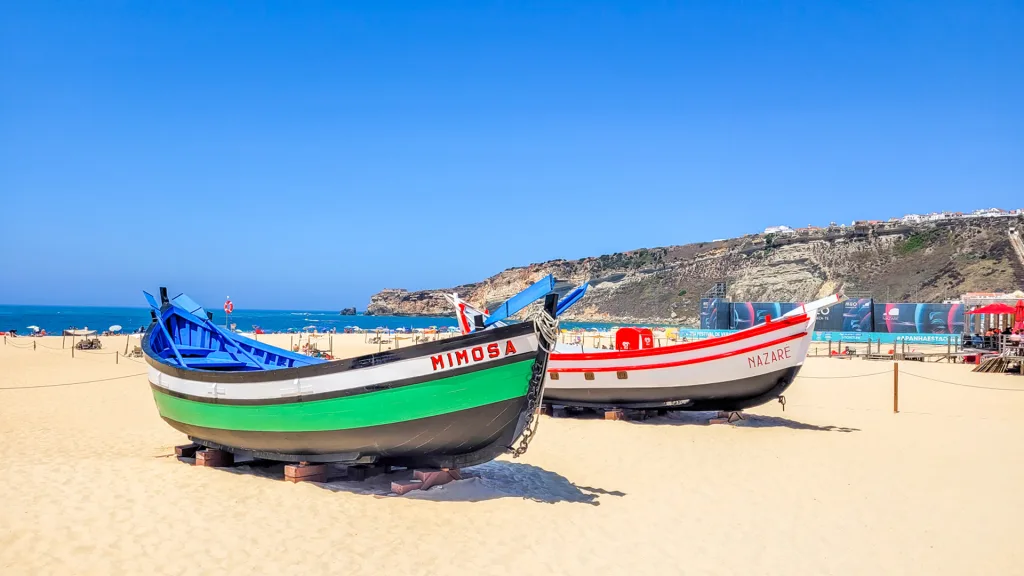
Nazaré es donde las ola récord mundial fue filmado, y el cañón submarino que lo genera comienza a menos de 1 km del acantilado donde te encuentras. El pueblo está dividido en tres barrios distintos: Praia (el asentamiento a nivel de la playa a lo largo de la playa principal de 2,5 km), Pederneira (un distrito en la cima de una colina sobre el pueblo) y Sítio (el pueblo histórico alto ubicado en un promontorio aproximadamente 110 m sobre el nivel del mar).
Se accede a Sítio a través del funicular de Nazaré, un Ferrocarril inclinado de 318 m construido en 1889 Diseñado por un discípulo de Gustave Eiffel, el funicular asciende desde el nivel del mar hasta Sítio en menos de 3 minutos y funciona con una frecuencia de aproximadamente 15 minutos. Desde la cima, el mirador abarca toda la extensión de Praia de Nazaré (2,5 km) y se extiende hacia el norte hasta Praia do Norte, donde se forman las olas atlánticas más grandes jamás registradas.
La historia religiosa de Sítio se remonta a 1182, cuando se dice que el caballero portugués Dom Fuas Roupinho experimentó una intervención milagrosa de la Virgen María, que impidió que su caballo cayera por el borde del acantilado durante una cacería en medio de una densa niebla. Ermita de la Memoria La Capilla de la Memoria, construida directamente al borde del acantilado, conmemora este acontecimiento y aún se mantiene en pie hoy en día.
En el extremo norte de Sítio se encuentra el Fuerte de São Miguel Arcanjo, construido en 1577 Como defensa costera contra incursiones piratas, el fuerte alberga ahora el faro y sirve como principal punto de observación elevado de Praia do Norte durante eventos de surf de olas grandes. El número de visitantes al fuerte aumentó significativamente tras la cobertura del récord mundial de surf, pasando de aproximadamente 80 000 en 2015 a 174 000 en 2017. El municipio de Nazaré tiene una población de aproximadamente 15 000 habitantes.
Praia do Norte y el Cañón de Nazaré
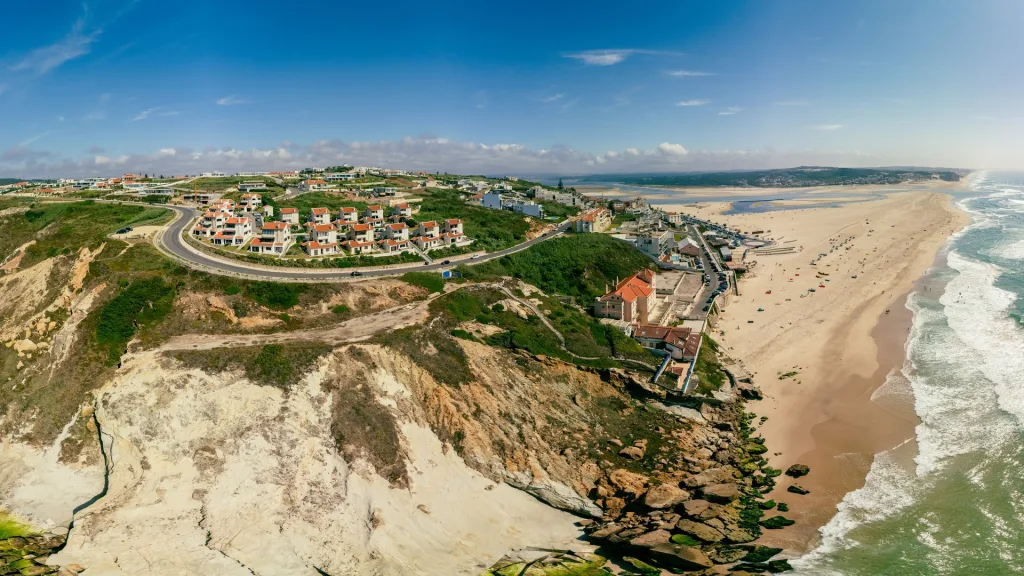
Praia do Norte es una playa ubicada aproximadamente a 1,5 km al norte de la playa principal de Nazaré y es el lugar donde se registraron las olas más grandes jamás surfeadas. Las olas son generadas por la Cañón de Nazaré – El cañón submarino más grande de Europa, aproximadamente 230 km de largo, alcanzando una profundidad máxima de alrededor de 5.000 m En la llanura abisal ibérica. El cañón comienza a menos de 1 km de la costa y amplifica las marejadas del Atlántico Norte mediante interferencia constructiva, produciendo olas significativamente más grandes que las que se suelen encontrar a lo largo de la costa portuguesa.
Garrett McNamara, un surfista hawaiano de olas grandes, atrajo la atención mundial hacia Praia do Norte. 1 de noviembre de 2011, cuando surfeó una ola que luego se midió en 23,77 m (78 pies) – el primer récord mundial oficial en este lugar, que marca la aparición de Nazaré en el mapa internacional del surf de olas grandes. En 29 de octubre de 2020, El surfista alemán Sebastian Steudtner surfeó una ola de 100 metros. 26.21 m (86 pies) en Praia do Norte, estableciendo el actual récord mundial Guinness de la ola más grande jamás surfeada (sin límite – masculino). El récord fue confirmado oficialmente en Mayo de 2022 Tras un análisis fotogramétrico de las imágenes grabadas desde dos posiciones de cámara independientes, verificado por la World Surf League como parte de los Red Bull Big Wave Awards.
Los eventos de olas récord ocurren exclusivamente durante los ciclos de tormentas del Atlántico Norte de otoño e invierno, típicamente De noviembre a marzo. Entre abril y octubre, Praia do Norte es generalmente una playa atlántica tranquila con condiciones seguras para nadar. Fuerte de São Miguel Arcanjo Proporciona la plataforma de observación elevada que se utiliza durante los eventos de surf; la geometría del cañón y la formación de las olas se comprenden con mayor claridad desde este punto estratégico durante todo el año.
Cuándo venir a surfear: De noviembre a marzo. No se pueden garantizar días específicos. Si se pronostica un oleaje significativo durante la fecha de su excursión, su guía ajustará el horario para optimizar las condiciones de visibilidad.

São Martinho do Porto
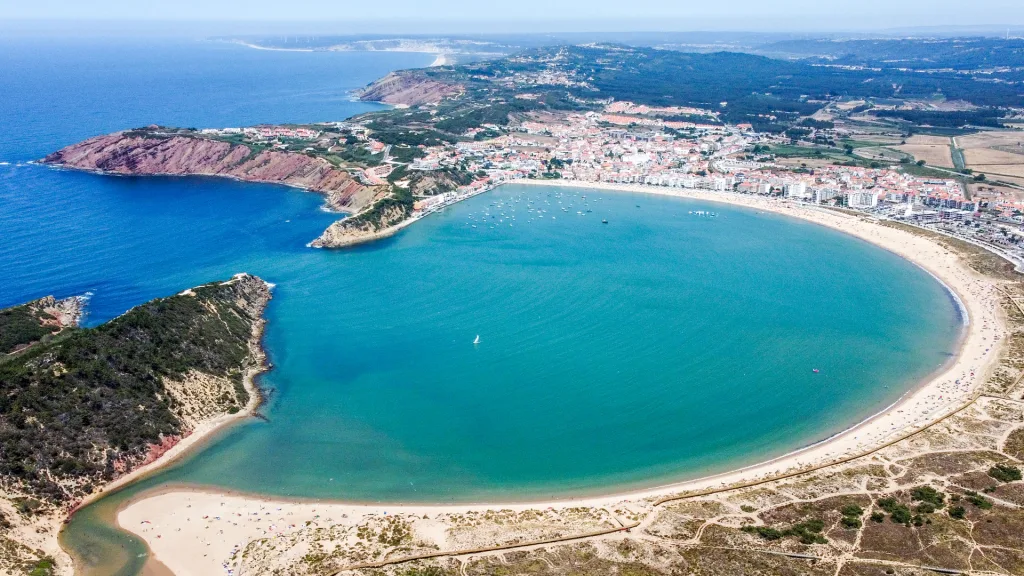
La bahía de São Martinho tiene una de las geometrías más inusuales de la costa atlántica europea: una forma de concha casi perfecta formada por dos promontorios de piedra caliza, con una abertura al océano de tan solo 250 metros. La entrada restringida produce aguas planas y tranquilas dentro de la bahía, independientemente de las condiciones del oleaje del Atlántico; la playa se extiende aproximadamente 3 km a lo largo de la costa interior.
El pueblo fue registrado por primera vez en 1257 En una carta del fraile Estevão Martins, duodécimo abad del monasterio de Alcobaça, que utilizaba la bahía como puerto para la pesca y la construcción naval, se menciona que, a finales del siglo XIX, la bahía cerrada se había convertido en un lugar de veraneo para la realeza y la aristocracia portuguesas. El rey Carlos I describió la playa como una de las formaciones costeras más notables de Portugal. La población de la parroquia es de 2868 habitantes (censo del INE de 2011).
La temperatura del agua en la bahía alcanza los 20-22 °C en julio y agosto, y la tranquilidad del mar la hace apta para el baño desde abril hasta octubre. En días despejados, se puede divisar la sierra de Candeeiros hacia el este. La parada en este recorrido dura aproximadamente 40 minutos: tiempo suficiente para pasear por la bahía, disfrutar de un café con vistas al mar y darse un baño durante los meses de verano.
Foz do Arelho y la laguna de Óbidos
Foz do Arelho es un pueblo en la desembocadura atlántica de la Lagoa de Óbidos, la laguna costera más grande de Portugal. La laguna cubre 6,9 km², con una longitud máxima de 6 km y un ancho de 1 a 1,5 km. La profundidad media es de 2 m, alcanzando los 5 m en el canal navegable más profundo cerca de la salida al océano. La laguna alberga 175 especies de aves identificadas Entre las especies que la utilizan como punto de escala durante su migración atlántica se encuentran el flamenco común, la cigüeñuela común, la aguja colipinta y el charrán piquirrojo.
En Foz do Arelho, la laguna se estrecha formando un canal cambiante que conecta con el Atlántico. El ancho de este canal varía según la estación: alcanza los 200 metros tras las tormentas invernales y se reduce a unos 50 metros en verano. El pueblo tiene un carácter dual: la zona de la laguna ofrece aguas tranquilas y poco profundas ideales para practicar paddle surf y kayak; la zona atlántica se enfrenta al oleaje del océano abierto.
La parada en Foz do Arelho dura aproximadamente 30 minutos: un paseo costero por el punto donde se unen la laguna y el océano, con vistas al agua en ambas direcciones. El trayecto en coche desde São Martinho do Porto dura 15 minutos.
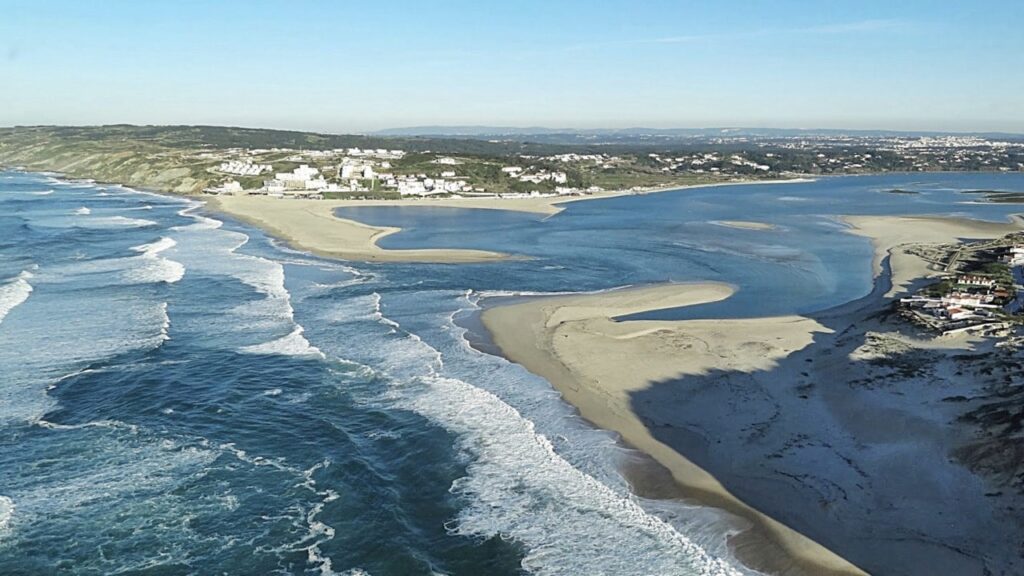
Óbidos – La ciudad medieval amurallada
Óbidos es la última parada y aquella a la que la mayoría de los viajeros desean regresar: una ciudad medieval amurallada completamente intacta donde todo 1,565 m El circuito de la muralla se puede recorrer a pie en 30-45 minutos y las calles interiores han mantenido una arquitectura coherente desde el siglo XVIII.
La ciudad fue capturada por el rey Alfonso Henriques de Portugal en 1148 durante la misma campaña hacia el sur que condujo a la conquista de Lisboa del dominio musulmán. El nombre deriva del latín oppidum, que significa “ciudad fortificada”. En 1282, El rey Dinis I regaló Óbidos como obsequio de bodas a la reina Isabel de Aragón, iniciando una tradición que hizo que la ciudad formara parte de la dote de las reinas durante casi cinco siglos. Óbidos sigue siendo conocida como Vila das Rainhas (Pueblo de las Reinas).
El muro perimetral mide 1,565 m en longitud y alcanza hasta 13 m en altura. El circuito completo se puede recorrer a pie en aproximadamente 30-45 minutos. El sendero de la muralla es estrecho (alrededor de 1-2 m de ancho) y carece de pasamanos en algunos tramos, por lo que se requiere precaución. El paseo ofrece vistas ininterrumpidas del centro histórico encalado y las llanuras agrícolas circundantes. El castillo en el extremo norte de las murallas ha funcionado como una posada (hotel estatal patrimonial) desde 1950.
En 2007, Óbidos fue seleccionado como una de las Siete Maravillas de Portugal en la categoría de pueblos. 2015, la UNESCO lo designó como Ciudad creativa de la literatura, convirtiéndola así en parte de la red mundial de ciudades literarias.
Ginja de Óbidos: El licor de cereza local se elabora con cerezas Morello (Prunus cerasus austera) macerado en aguardiente (aguardiente de uva) con canela y clavo, una tradición a menudo atribuida a las prácticas monásticas cistercienses del siglo XVII. En Óbidos específicamente, se sirve en una taza de chocolate comestible. Este formato de presentación se introdujo en 1987 de Dário Pimpão en Rua Direita, la principal calle peatonal de la ciudad.
Échale un vistazo a nuestro Guía completa de Óbidos.


Regreso a Lisboa
Al final, después de un día de tour lleno de buenos momentos, regresaremos a Lisboa con regreso al lugar donde se esté alojado.
Las sugerencias son nuestras, pero la decisión es suya. Disfrute al máximo de este tour hecho para usted y pensando en usted.
Qué incluye
- Duración del tour: 8 horas
- Vehículo privado con aire acondicionado (hasta 8 pasajeros)
- Recogida y regreso en hotel/apartamento en Lisboa, Sintra, Cascais, Estoril o en cualquier lugar de la Costa del Estoril
- Seguro obligatorio para pasajeros
- Combustible, peajes y estacionamiento en todas las paradas.
No incluido
- Comidas y bebidas
- Entradas a monumentos
- Propinas
precio del paseo
Los precios son por vehículo privado (no por persona)
Cancelación hasta 24 horas antes de la salida. Las cancelaciones dentro de las 24 horas no son reembolsables.
Contáctanos y Reserva tu Tour
Mejor época del año para este tour
- Noviembre-marzo (temporada de olas):
Mejor época para observar grandes olas en Praia do Norte. Las temperaturas costeras suelen oscilar 8–14 °C Con exposición a los vientos atlánticos, Óbidos se encuentra en su estado más tranquilo, con paseos por el muro entre semana a menudo prácticamente vacíos. São Martinho do Porto y Foz do Arelho son más fríos, pero visualmente impactantes bajo la tenue luz invernal. Nazaré conserva su carácter pesquero, sin la presencia del turismo de verano. - Abril–junio (recomendado):
Temperaturas promedio 16–22 °C. En abril aún es posible que se produzcan marejadas atlánticas, las cuales disminuyen gradualmente durante mayo. La vegetación en la Serra dos Candeeiros luce en su máximo esplendor tras las lluvias invernales. Óbidos se visita antes de la temporada alta de verano. São Martinho do Porto suele comenzar a ofrecer condiciones de baño agradables a partir de mayo. - Julio-agosto (temporada alta):
Las temperaturas alcanzan 24–30°C en Lisboa y 18–24 °C a lo largo de la Costa de Plata. São Martinho do Porto está a plena capacidad de verano, con tranquilas aguas de la bahía alrededor. 20–22 °C Apto para nadar. Nazaré suele estar concurrido, pero se puede gestionar llegando temprano. Óbidos organiza eventos medievales de temporada a finales de julio y en agosto. Las colas para el funicular de Nazaré alcanzan su punto máximo en agosto, por lo que se recomienda visitar Sítio temprano por la mañana. - Septiembre-octubre (segunda ventana recomendada):
Rango de temperaturas 18–26 °C. Tras el pico de agosto, la afluencia de visitantes disminuye. São Martinho do Porto sigue siendo apta para el baño durante todo septiembre. La temporada de surf comienza a finales de octubre, y las primeras marejadas del Atlántico ocasionalmente producen olas importantes en Praia do Norte.
Preguntas frecuentes
¿Qué es el Cañón de Nazaré y por qué genera olas tan grandes?
¿Cuál es el récord mundial Guinness de la ola más grande surfeada en Nazaré?
¿Podremos ver olas grandes en este tour?
¿El precio es por persona o por vehículo?
¿Está incluido el paseo por la muralla de Óbidos?
La Ginja de Óbidos es un licor de guindas tradicional de Portugal, especialmente popular en la región de Óbidos.
¿Podemos nadar en São Martinho do Porto?
¿Qué idiomas habla el guía?
¿Podemos personalizar el itinerario?
¿Es este tour apto para niños?
¿Cuál es la política de cancelación?
Lo que dicen nuestros huéspedes
También te puede interesar
Excursión en Grupo Fátima - Fátima, Batalha, Nazaré y Óbidos
Mismos cuatro destinos en formato de grupo reducido (máximo 8 pasajeros). Horario fijo; grupo mixto. 84 €/persona.
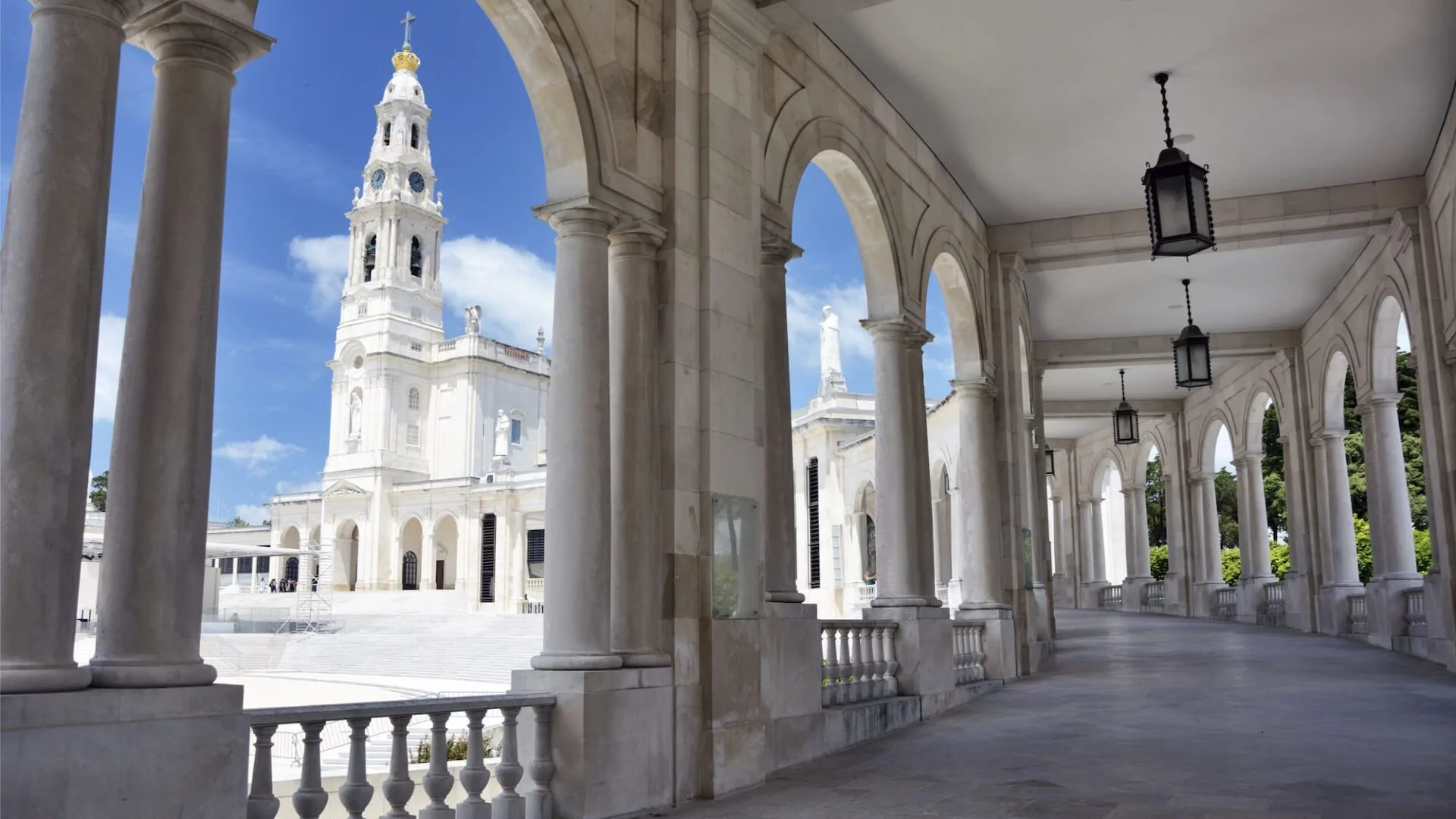
Tour privado de Fátima, Batalha, Nazaré y Óbidos
Los mismos 4 destinos del norte (Fátima, Batalha, Nazaré, Óbidos) en un vehículo privado exclusivo. Desde 330€/vehículo.
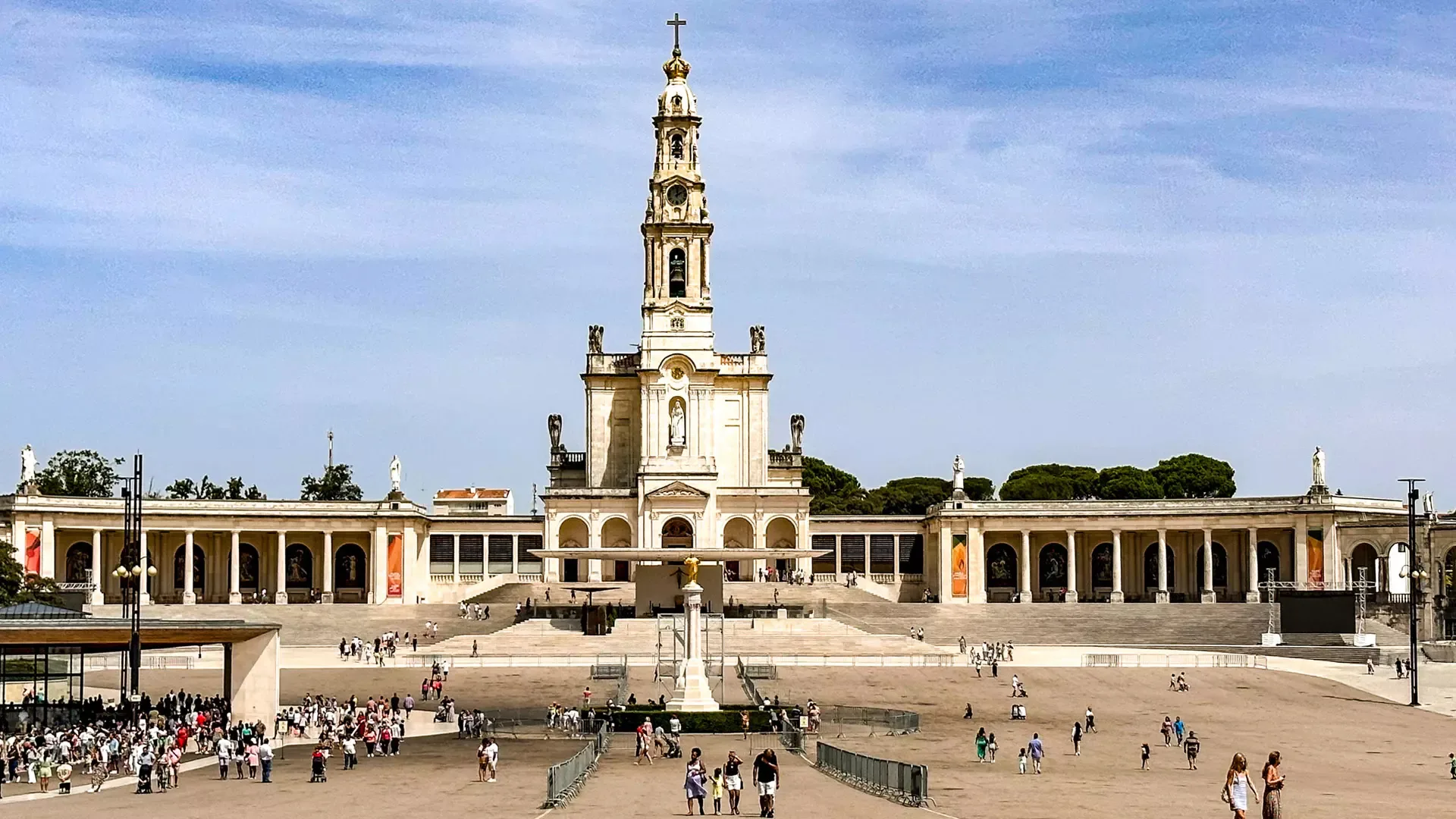
Tour privado de Tomar, Almourol y el Portugal medieval
Ruta medieval que combina el castillo templario de Tomar (construido en 1160) y el castillo de Almourol (isla fluvial, siglo XI). Desde 310 € por vehículo.