

Sale of alcoholic beverages to persons under 18 years of age is prohibited. Drink responsibly.
Discover Portuguese Wine Experiences
Portugal is one of the world’s oldest wine-producing countries and a true treasure for wine lovers. With more than 250 indigenous grape varieties and an exceptional diversity of terroirs, climates and landscapes, each region offers its own identity, distinctive flavours and authentic experiences.
From the Atlantic coast to the inland regions, from the terraced slopes of the Douro Valley to the plains of Alentejo, Portuguese wines reflect a deep connection between land, climate and centuries-old know-how passed down through generations.
What makes Portugal truly unique in the world of wine is the combination of:
- Exclusive indigenous grape varieties
- A wide diversity of soils
- Producers who balance tradition and innovation
- Varied climatic influences
Explore these Portuguese Wine Regions with us
Portuguese Wine Varieties
Portugal has an extraordinary diversity of native grape varieties, with more than 250 officially recorded, contributing to the richness and variety of its wines. These are the most important and expressive indigenous grapes in national production.
Red Grapes Varieties
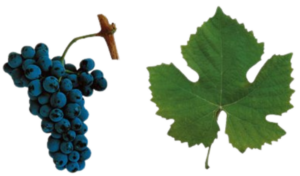
Touriga Nacional
Renowned for producing intense, full-bodied, and highly aromatic wines with excellent aging potential.
Blends for Ports, and is increasingly being used for table wine.
- This thick-skinned grape delivers deep ruby colors, firm velvety tannins, and distinct notes of violets, blueberries, rock rose, and cedar
- Douro, Dão, Tejo, Alentejo
- It pairs best with bold, fatty foods, including grilled meats (barbecue), roasted lamb, venison, or dishes with strong, savory sauces
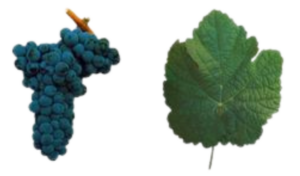
Touriga Franca
Renowned for producing intense, full-bodied, and highly aromatic wines with excellent aging potential.
Produces intense, deeply colored, and full-bodied red wines.
- Highly aromatic, often featuring black fruits (blackberry, cassis), red fruits (raspberry), violets, and rose petals, with occasional herbaceous or balsamic notes
- Douro, Dão
- Ideal with roasted meats, red meat dishes
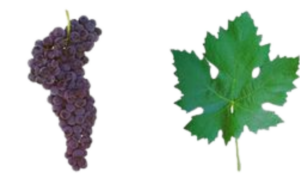
Tinta Roriz / Aragonês / Tempranillo
It is highly versatile, vigorous, and productive, thriving in hot, dry climates. Wines are typically deeply colored, structured, and aromatic, featuring notes of red/black fruits and spices.
- Characterized by red and black fruits, such as cherry and plum, with notes of spices, cinnamon, and sometimes tomato leaf or black olive
- Alentejo, Douro
- Pairs well with roasted meats, particularly pork and lamb, as well as charcuterie and spicy dishes
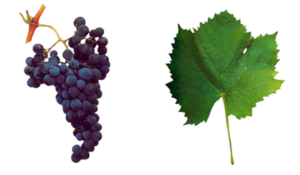
Tinta Barroca
It is used most often to make Port, as the grapes’ naturally high sugar levels make them extremely useful for fortified wine production.
They are most often planted on the cooler, higher slopes of the valley and on north-facing slopes
- Known for intense fruitiness, with notes of blackberry, plum, and dark cherry
- Douro
- Finely accompanies red meats, roast beef and grilled meats
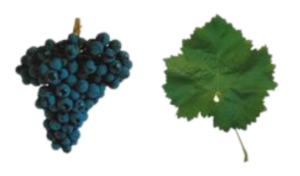
Tinta Amarela / Trincadeira
Widely planted Portuguese red grape, renowned for producing intense, garnet-colored wines with high acidity, firm tannins, and complex aromas of black plum, raspberry, herbs, and spices.
- Offers vibrant red fruit (raspberry) and black fruits (plum) combined with vegetal, herbaceous, and spicy notes (cinnamon, clove)
- Alentejo, Dão, Douro
- It is used for dry table wines and is also an important grape in Port wine production
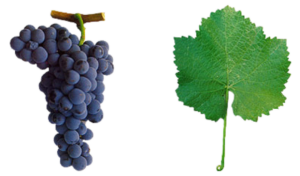
Alfrocheiro / Alfrocheiro Preto
Widely planted Portuguese red grape, renowned for producing intense, garnet-colored wines with high acidity, firm tannins, and complex aromas of black plum, raspberry, herbs, and spices.
- Vibrant aromatic profile of wild berries, such as blackberries, ripe strawberries, and sour cherry
- Bairrada, Tejo and Alentejo
- Pairs well with roasted meats (kid goat), game, and well-structured dishes.
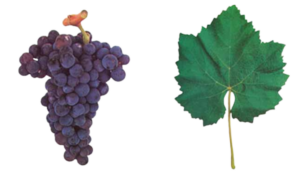
Castelão (Periquita)
Castelão is one of Portugal’s most traditional and widely planted red grape varieties. Known for its resilience and ability to thrive in warm, dry climates, it plays an important role in the character of many southern Portuguese wines.
- Notes of red cherry and wild berries, herbal and spicy.
- Setúbal, Alentejo, Lisboa, Tejo
- Pairs best with grilled meats (especially pork and lamb), charcuterie and semi-cured cheeses
White Grapes Varieties
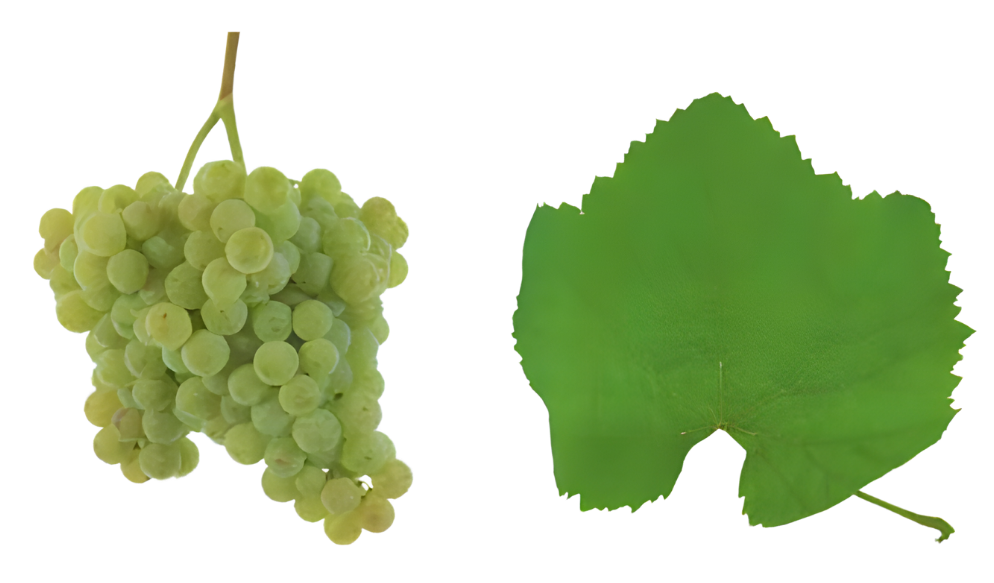
Alvarinho (Albariño)
Portugal’s most prestigious white grape varieties. It thrives in cooler Atlantic climates and is especially famous for its role in high-quality wines from the Minho region.
Alvarinho wines are typically vibrant, elegant, and expressive, combining citrus and stone-fruit aromas with a distinctive mineral character.
- Citrus (lemon, grapefruit), peach, apricot, orange blossom, and subtle tropical notes such as passion fruit, often with a mineral finish.
- Northern Portugal (Monção e Melgaço)
- Seafood, grilled fish, shellfish, sushi, light poultry dishes, and fresh salads.
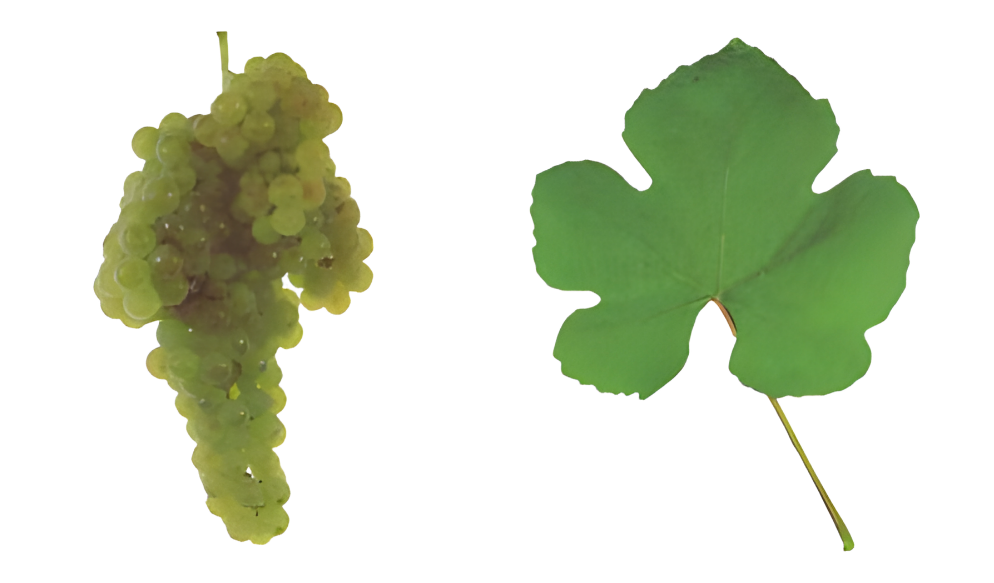
Loureiro
Prized for its intensely aromatic profile and fresh acidity. It is widely grown in northern Portugal and plays a key role in producing vibrant, elegant wines that highlight floral and citrus notes.
Loureiro wines are typically light, refreshing, and very expressive, making them particularly enjoyable when young.
- Floral notes (laurel, orange blossom), citrus (lime, lemon), green apple, and subtle herbal nuances.
- Northern Portugal (Lima Valley)
- Seafood, grilled fish, salads, fresh cheeses, and light Mediterranean dishes.
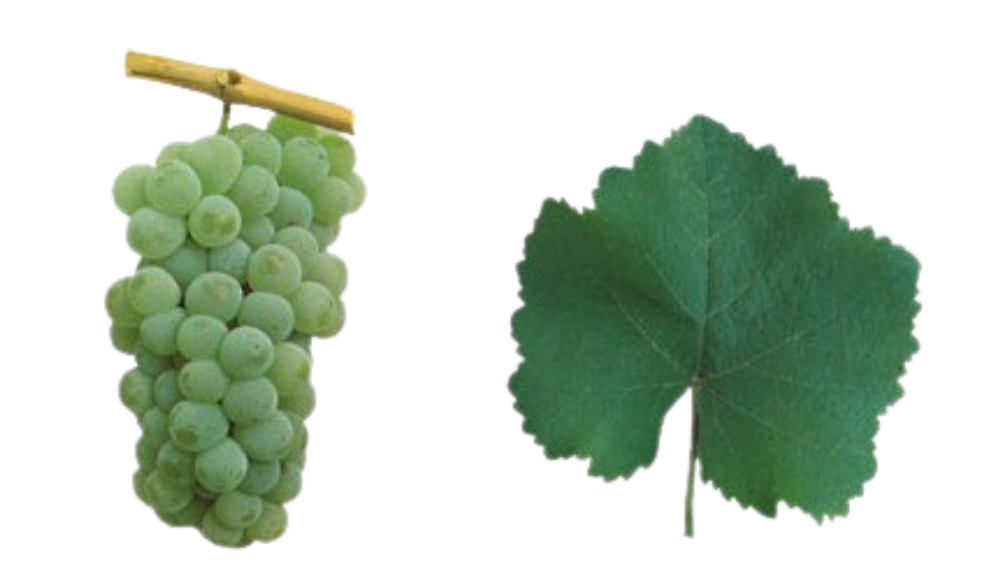
Encruzado
One of Portugal’s most refined white grape varieties, best known for producing elegant and complex wines with remarkable balance.
Native to central Portugal, it combines freshness with structure and has excellent ageing potential. Encruzado wines are often rich yet precise, showing both fruity and mineral characteristics, sometimes enhanced by subtle oak ageing.
- Lemon, pear, peach, white flowers, and delicate mineral notes, sometimes with hints of hazelnut or vanilla when aged in oak.
- Primarily associated with the Dão region in central Portugal.
- Grilled fish, seafood, roasted poultry, creamy dishes, and soft cheeses.
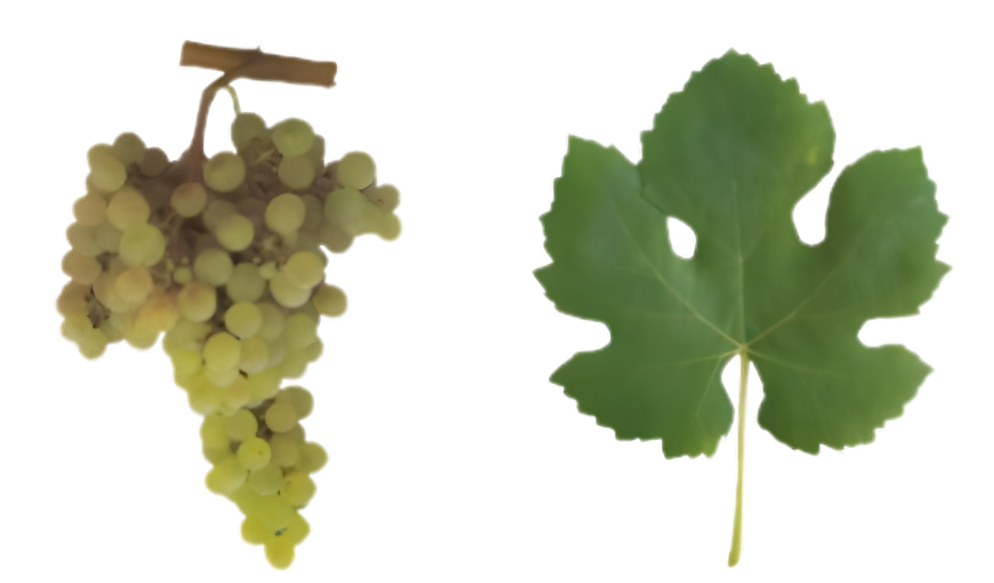
Arinto (Pedernã)
One of the country’s most versatile and respected white grape varieties.
It is valued for its naturally high acidity, freshness, and ability to produce elegant wines with excellent ageing potential. Arinto adapts well to different climates and soils, creating wines that are vibrant, structured, and often marked by a distinctive mineral character.
- Lemon, lime, green apple, grapefruit, with mineral and sometimes subtle nutty notes as the wine ages.
- Widely planted across Portugal, including Vinho Verde (where it is called Pedernã), Bucelas, and Tejo.
- Grilled fish, shellfish, seafood rice dishes, oysters, and lightly seasoned white meats.
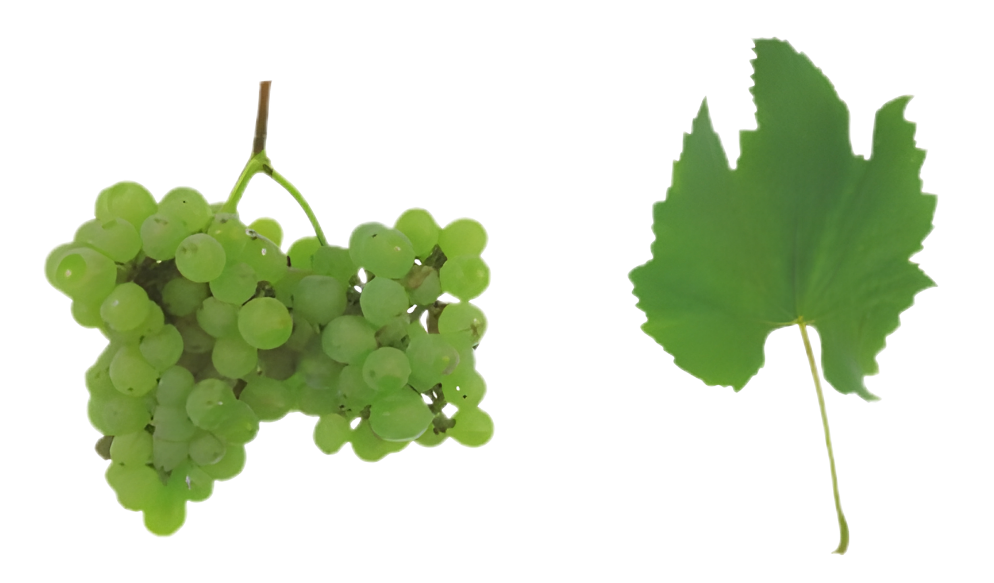
Fernão Pires
Also known as Maria Gomes in some regions, is one of Portugal’s most widely planted white grape varieties. It is highly aromatic and produces wines that are fresh, floral, and fruit-forward. Fernão Pires is versatile, used both for young, easy-drinking whites and for more complex wines, including sparkling or lightly oaked styles.
- Citrus (lemon, orange), white flowers, tropical fruits (pineapple, lychee), and sometimes a hint of spice.
- Predominantly in Bairrada, Tejo, and Lisboa.
- Seafood, shellfish, fresh cheeses, salads, and lightly spiced dishes.
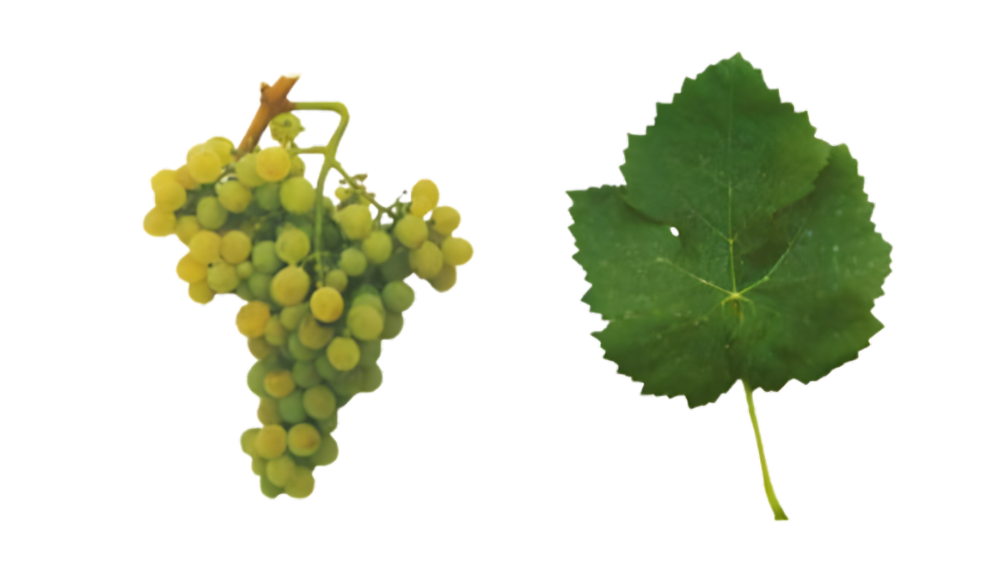
Malvazia
(Often called Malvasia Fina in Portugal) is a traditional white grape variety known for producing smooth, aromatic wines with a soft texture and balanced acidity.
Widely planted across several Portuguese regions, it contributes elegance and floral character to both single-varietal wines and blends. Malvasia wines are typically approachable and expressive, often showing a delicate combination of fruit and floral aromas.
- White flowers, peach, apricot, citrus, and subtle honeyed notes.
- Commonly found in Douro, Dão, and Beira Interior.
- Grilled fish, seafood, poultry dishes, creamy pasta, and mild cheeses.
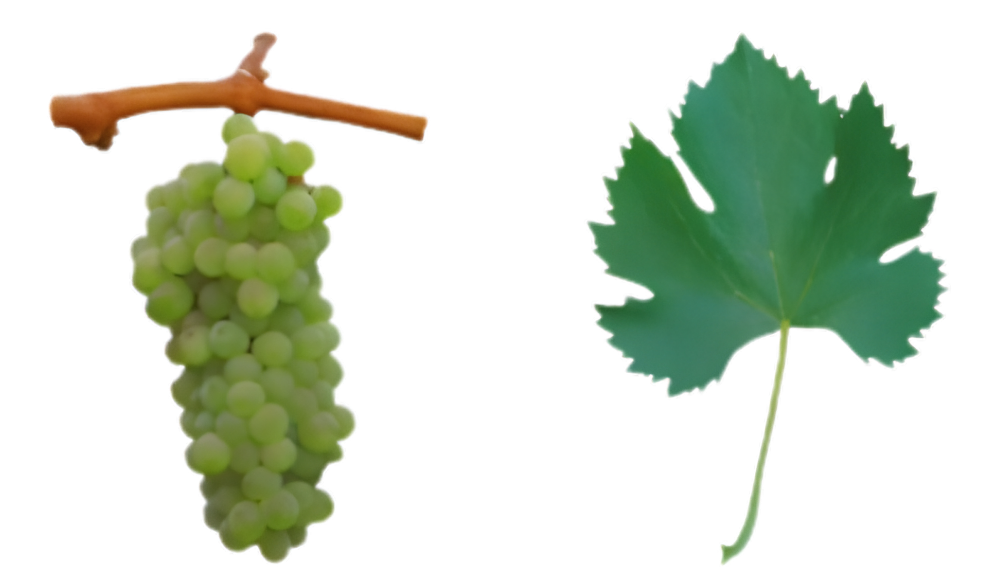
Antão Vaz
Prominent Portuguese white grape variety known for producing rich, full-bodied wines with expressive fruit and good structure. Native to southern Portugal, it thrives in warm, sunny climates and is particularly associated with powerful yet balanced wines that often combine ripe fruit with fresh acidity.
- Ripe citrus, peach, melon, tropical fruit, and sometimes subtle honey or vanilla notes when aged in oak.
- Strongly associated with the Alentejo region in southern Portugal.
- Grilled fish, seafood stews, roasted poultry, and richer Mediterranean dishes.
"Vinho Verde"
Arinto (Pedernã)
One of the country’s most versatile and respected white grape varieties.
It is valued for its naturally high acidity, freshness, and ability to produce elegant wines with excellent ageing potential. Arinto adapts well to different climates and soils, creating wines that are vibrant, structured, and often marked by a distinctive mineral character.
- Lemon, lime, green apple, grapefruit, with mineral and sometimes subtle nutty notes as the wine ages.
- Widely planted across Portugal, including Vinho Verde (where it is called Pedernã), Bucelas, and Tejo.
- Grilled fish, shellfish, seafood rice dishes, oysters, and lightly seasoned white meats.
Alvarinho (Albariño)
Portugal’s most prestigious white grape varieties. It thrives in cooler Atlantic climates and is especially famous for its role in high-quality wines from the Minho region.
Alvarinho wines are typically vibrant, elegant, and expressive, combining citrus and stone-fruit aromas with a distinctive mineral character.
- Citrus (lemon, grapefruit), peach, apricot, orange blossom, and subtle tropical notes such as passion fruit, often with a mineral finish.
- Northern Portugal (Monção e Melgaço)
- Seafood, grilled fish, shellfish, sushi, light poultry dishes, and fresh salads.
Loureiro
Prized for its intensely aromatic profile and fresh acidity. It is widely grown in northern Portugal and plays a key role in producing vibrant, elegant wines that highlight floral and citrus notes.
Loureiro wines are typically light, refreshing, and very expressive, making them particularly enjoyable when young.
- Floral notes (laurel, orange blossom), citrus (lime, lemon), green apple, and subtle herbal nuances.
- Northern Portugal (Lima Valley)
- Seafood, grilled fish, salads, fresh cheeses, and light Mediterranean dishes.
Trajadura
Traditional white grape variety valued for its elegance and balance. It is commonly used in blends to add body, smoothness, and subtle fruit character to fresher and more aromatic wines. Trajadura typically produces approachable wines with moderate acidity and a soft texture.
- Apple, pear, peach, and delicate citrus notes with subtle floral hints.
- Widely grown in the Vinho Verde region in northern Portugal and also across the border in Ribeiro where it is known as Treixadura.
- Seafood, grilled fish, light poultry dishes, salads, and mild cheeses.
Fortified Wine
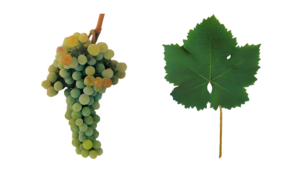
Moscatel
Moscatel is one of the oldest and most aromatic grape families in the world, known for producing intensely perfumed wines with distinctive floral and fruity aromas. In Portugal, it is especially famous for both fresh aromatic whites and rich fortified wines. Moscatel wines are typically expressive, smooth, and very approachable.
- Orange blossom, grape, honey, peach, citrus, and sometimes dried fruit.
- Particularly associated with Setúbal Peninsula (home of Moscatel de Setúbal) and also grown in the Douro.
- Fruit desserts, pastries, blue cheeses, foie gras, and also enjoyable as a dessert wine on its own.
Touriga Nacional
Renowned for producing intense, full-bodied, and highly aromatic wines with excellent aging potential.
Blends for Ports, and is increasingly being used for table wine.
- This thick-skinned grape delivers deep ruby colors, firm velvety tannins, and distinct notes of violets, blueberries, rock rose, and cedar
- Douro, Dão, Tejo, Alentejo
- It pairs best with bold, fatty foods, including grilled meats (barbecue), roasted lamb, venison, or dishes with strong, savory sauces
Touriga Franca
Renowned for producing intense, full-bodied, and highly aromatic wines with excellent aging potential.
Produces intense, deeply colored, and full-bodied red wines.
- Highly aromatic, often featuring black fruits (blackberry, cassis), red fruits (raspberry), violets, and rose petals, with occasional herbaceous or balsamic notes
- Douro, Dão
- Ideal with roasted meats, red meat dishes
Looking for a different experience?
Share with us what inspires you, and Yellow Cab TT Tours will craft a bespoke wine journey tailored to your desires — an elegant experience designed to capture unforgettable moments while you savour the finest wines and landscapes Portugal has to offer.
FAQ
What wine regions do your tours cover?
We cover three regions accessible as day tours from Lisbon: Setúbal-Arrábida (40 km south), Sintra-Cascais (30 km west, the westernmost wine sub-region in continental Europe) and Alentejo-Évora (130 km east, producing approximately 45% of Portugal's bottled wine).
Is the wine tasting included in the base price?
No. The base vehicle price covers private transport and a driver-guide. The wine experience - tasting, cellar visit, tapas - is booked as a separate add-on: €35/person (wine shop tasting), €55/person (cellar visit with tasting and tapas), or €85/person (full cellar experience with tapas and Port wine or olive oil). You select the add-on at the time of booking.
Which wine tour is best for someone new to Portuguese wine?
Setúbal-Arrábida is the most approachable entry point. The wines are aromatic, often made from Castelão grapes, and the cellar visits in this region are structured for visitors unfamiliar with Portuguese varieties. Alentejo suits those already interested in full-bodied reds; Sintra-Cascais is best for wine enthusiasts specifically interested in rare Colares wines from ungrafted Ramisco vines.
What grapes are grown near Sintra?
The Sintra-Colares sub-region is best known for Ramisco grapes grown in sandy coastal soils, one of the few vine varieties in Europe never grafted onto phylloxera-resistant rootstocks. The Atlantic microclimate (cooler than inland Portugal by 4–6°C) also supports Arinto, Malvasia and local white varieties.
What is the Alentejo wine add-on option different from the others?
The Alentejo add-ons include an olive oil tasting option alongside the wine, reflecting the region's cork and olive production alongside viticulture. The cork factory tour (available in the €55 and €85 options) visits one of the world's largest cork-producing regions — Alentejo accounts for approximately 50% of global cork production.
What is the maximum group size for wine tours?
Maximum 8 passengers per vehicle. All wine experiences are private - you will not share the vehicle with other travellers.
What does the base vehicle price include?
The base price covers the entire vehicle for the day: private driver-guide, hotel pickup and drop-off in central Lisbon, fuel, tolls, parking and mandatory insurance. Wine experiences are booked separately. Prices: Sintra from €285, Setúbal from €310, Alentejo from €330.
Can the tour be combined with sightseeing?
Yes. Wine tours are private and the itinerary can be adjusted on request. The Setúbal-Arrábida tour can include time at Arrábida Natural Park beaches. The Sintra-Cascais tour can include Cabo da Roca or Cascais. The Alentejo tour can include a visit to Évora (Roman Temple, Cathedral, Chapel of Bones). Let us know your priorities at the time of booking.
Is the tour suitable for non-drinkers?
Yes. The base tour does not require participation in wine tasting. Passengers who do not drink can join for the scenic drive, cultural context and food elements (tapas, pastry, olive oil). Notify us at booking so we can ensure non-alcoholic alternatives are available at tasting venues.
What is not included in the wine tour price?
Meals beyond the tasting add-ons, additional drinks, monument entrance tickets and tips are not included. The wine add-on is priced separately per person (€35-€85) and must be booked in advance.
When is the best time of year for wine tours near Lisbon?
Wine tours run year-round. Harvest season in the Setúbal and Alentejo regions typically runs late August through October - cellar visits during this period often include active harvest activities. Summer (June-August) offers the longest days and warmest weather. Spring (March-May) is quieter with green landscapes. Winter tours have the smallest groups.
How far in advance should I book a wine experience?
At least 48 hours in advance is recommended so we can confirm availability with the cellar or tasting venue. During harvest season (September–October) and peak summer weeks, booking 5-7 days ahead is advisable. Same-day bookings are occasionally possible for the base tour without cellar add-ons.
What is the cancellation policy?
Free cancellation up to 24 hours before your scheduled pickup time. Cancellations within 24 hours are non-refundable.
Does the tour operate in winter?
Yes, year-round. The Sintra-Cascais Natural Park is green and accessible throughout winter. Rain can affect off-road sections; we adapt the route if conditions require it. Visibility at Cabo da Roca and Peninha is often cleaner in autumn and winter than in summer.
What is the cancellation policy?
Free cancellation up to 24 hours before your scheduled pickup time. Cancellations within 24 hours are non-refundable.
Are wine tours available for corporate groups or special occasions?
Yes. All wine experiences are private and can be tailored for corporate events, anniversaries or private celebrations. For groups requiring multiple vehicles, contact us directly via WhatsApp +351 965 856 169 or email yellowcabtttours@gmail.com for a custom quote.
How do I book a wine experience?
Book via the individual tour page, WhatsApp +351 965 856 169, or email yellowcabtttours@gmail.com. Specify the region, number of passengers, date, preferred add-on option (€35/€55/€85 per person) and any itinerary preferences. We confirm within a few hours."