
Visiting Portugal: a Practical Travel Guide
Portugal sits on the western edge of the Iberian Peninsula: 92,212 square kilometres, 10.3 million people, 832 kilometres of Atlantic coastline, and 17 UNESCO World Heritage Sites – more per square kilometre than most countries in Europe. Lisbon is the westernmost capital city in mainland Europe and the base for most of the itineraries in this guide.
We have been running tours across Portugal since 2013. Over that time, the questions visitors ask at the start of a tour have stayed largely the same: what to bring, how to pay, whether it is safe, when to come. This guide answers those questions with the specifics that most travel pages skip.
If you are planning day trips from Lisbon, the final section covers the six most-visited destinations and how we approach each one.
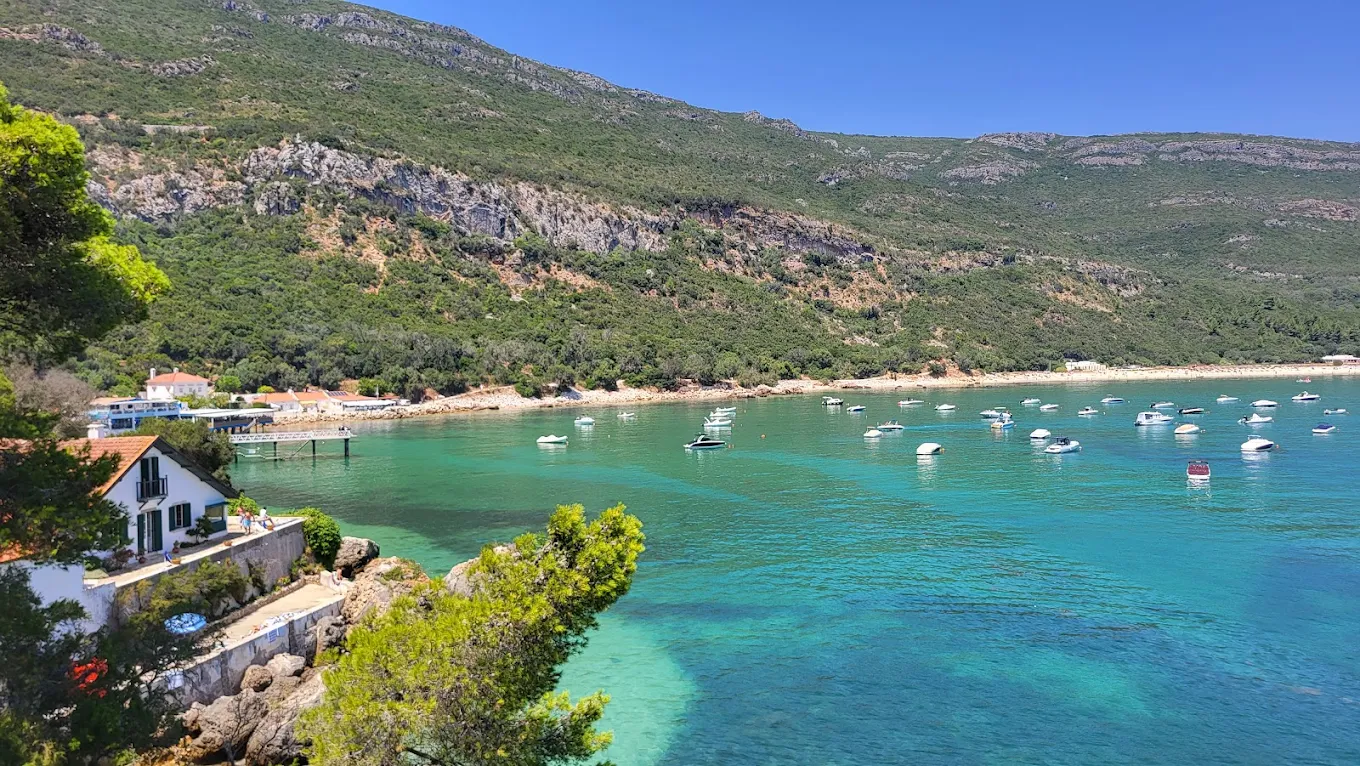
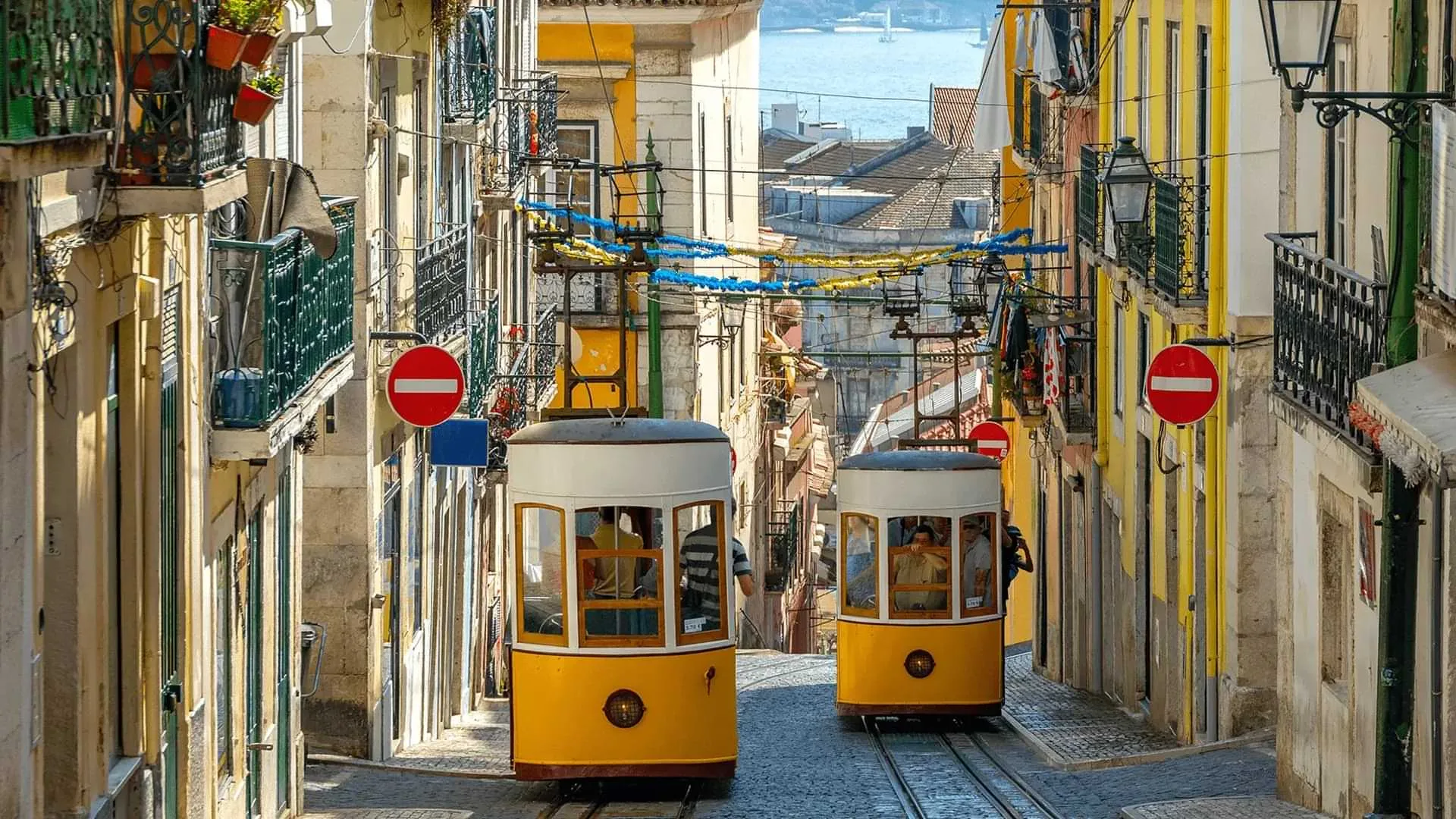


Table of Contents
Portugal at a Glance
- Capital | Lisbon (city population: 548,000; metro area: 2.8 million).
- População | 10.3 million.
- Área | 92,212 km² (roughly the size of Indiana).
- Comprimento | 520 km from north (Minho) to south (Algarve).
- Coastline | 832 km Atlantic Ocean.
- UNESCO Sites | 17 World Heritage Sites.
- Currency | Euro (€), since January 1, 2002.
- Idioma | Portuguese.
- EU Member | Since 1986.
- Schengen Zone | Yes.
- Time Zone | WET (UTC+0) / WEST (UTC+1 in summer). — same as UK, 5 hours ahead of US East.
- Emergency | 112.
Best Time to Visit Portugal
The honest answer is that Portugal has no genuinely bad season – only different trade-offs depending on what you are coming for.
Spring (March–May) – Temperatures in Lisbon reach 18–22°C. Rainfall decreases from March onward and most days are clear. Wildflowers peak across Alentejo in April. Queues at Pena Palace in Sintra and at Jerónimos Monastery in Belém remain manageable on weekday mornings. This is the most consistent window for a first visit focused on Lisbon, Sintra, and the surrounding area – enough warmth to enjoy terraces, not enough heat to make walking uncomfortable.
Summer (June–August) – Temperatures reach 28–30°C in Lisbon. Peak season: longest queues, highest accommodation rates, and maximum visitor volumes. Pena Palace alone receives approximately 1.5 million visitors per year, with roughly 40% arriving in July and August. Parque Natural da Arrábida restricts private vehicles between June 7 and September 15 (07:00–19:00) – licensed tour operators are exempt under the municipal Arrábida O2 programme. The Atlantic water temperature off the Lisbon coast reaches 18–20°C in August – cooler than Mediterranean beaches, warmer than the surf coast further north. June brings the **Festas de Lisboa**, the most significant urban festival in Portugal. The peak is June 12–13 (Dia de Santo António). Alfama fills with grilled sardines, basil plants in paper wrapping, and street processions that continue through the night. If you are in Lisbon that week, the city shows a side that has nothing to do with tourism.
Autumn (September–October) – Crowds drop sharply after mid-September. Temperatures stay warm – 20-26°C. The Alentejo and Setúbal wine harvests run through October. For wine-focused itineraries, this is the best period. Accommodation prices fall while the weather remains reliable.
Winter (November–February) – Lisbon rarely drops below 8°C. Rain increases from November onward, but clear winter days are common and the light is particularly good for photography. Christmas markets operate in Praça do Comércio through December. The major Fátima pilgrimages fall in May and October – winter visits to Fátima are significantly quieter. Sintra in February has notably shorter queues than Sintra in August, with temperatures only 3–4°C lower.
Recommendation for first-time visitors: Late April, May, or September. These months combine reliable weather, manageable crowds at Sintra and Lisbon, and reasonable prices

Weather in Portugal by Month
Figures below are Lisbon averages. Sintra runs 3–5°C cooler year-round due to its Atlantic microclimate and elevation – a contributing factor in UNESCO’s 1995 classification of the Sintra Cultural Landscape. Visitors combining Lisbon and Sintra in the same day often find the temperature difference noticeable.
Monthly Weather and Crowd Levels:
- January – 15°C / 8°C, ~10 rainy days, low crowd level.
- February – 16°C / 9°C, ~9 rainy days, low crowd level.
- March – 18°C / 10°C, ~8 rainy days, low–medium crowd level.
- April – 20°C / 12°C, ~7 rainy days, medium crowd level.
- May – 22°C / 14°C, ~5 rainy days, medium crowd level.
- June – 26°C / 17°C, ~2 rainy days, high crowd level.
- July – 28°C / 19°C, ~1 rainy day, very high crowd level.
- August – 29°C / 19°C, ~1 rainy day, very high crowd level.
- September – 26°C / 18°C, ~3 rainy days, high crowd level.
- October – 22°C / 15°C, ~7 rainy days, medium crowd level.
- November – 17°C / 11°C, ~9 rainy days, low crowd level.
- December – 15°C / 9°C, ~10 rainy days, low crowd level.

Getting to Portugal
Main airports:
- Lisbon (LIS – Humberto Delgado Airport): The primary international gateway. Located 7 km from the city centre, directly served by Metro Red Line. TAP Air Portugal’s main hub.
- Porto (OPO – Francisco Sá Carneiro Airport): Good option for itineraries starting in northern Portugal. 11 km from Porto city centre, served by Metro Violet Line.
- Faro (FAO): Regional airport for the Algarve. Useful only if the Algarve is the primary destination.
From the United States – Direct flights to Lisbon from New York (JFK, EWR), Boston (BOS), and Washington (IAD) – primarily TAP Air Portugal, with Delta and United also operating routes. Flight time from the US East Coast: approximately 7 hours. From the West Coast: 12–14 hours with a connection.
From the United Kingdom – Multiple daily flights from London Heathrow, Gatwick, Stansted, and Luton; also from Manchester and Edinburgh. Ryanair, EasyJet, and TAP all operate this route. Flight time: approximately 2.5 hours. London-Lisbon is one of the most competitive routes in Europe, which keeps prices reasonable if booked in advance.
From mainland Europe – Lisbon is 2–3 hours by air from most major European cities. Ryanair, Vueling, and Iberia are the main budget carriers alongside TAP.
Note on immigration queues: Since October 2025, the EU’s Entry/Exit System (EES) collects biometric data – fingerprints and a facial scan – from non-EU nationals on their first Schengen entry. The rollout was bumpy: Lisbon Airport suspended and reinstated the system several times through early 2026 as it worked through the backlog. By summer 2026 the process has stabilised, but non-EU travellers should allow extra time at passport control – 90 minutes is a safer estimate than 45. If you have already registered on a previous Schengen trip after October 2025, the second entry is faster. Check aeroportolisboa.pt for current processing notes before you fly.
Visas & Entry Requirements
Portugal is a Schengen Area member. The rules below apply to the most common visitor nationalities.
EU / EEA citizens: No visa required. A national ID card is sufficient – a passport is not mandatory but advisable.
US citizens: No visa for stays up to 90 days within any 180-day period across the Schengen Area. Passport must be valid for the duration of your stay. UK citizens (post-Brexit): No visa required, but the 90-day Schengen limit now applies – the same rule that applies to US visitors. A valid passport is required (UK national ID cards are not accepted). Check your remaining Schengen days if you have travelled elsewhere in the zone recently.
Canadian, Australian, New Zealand citizens: No visa for stays up to 90 days.
ETIAS (EU Travel Information and Authorisation System): An electronic pre-travel authorisation — similar to the US ESTA — is planned for non-EU visitors from visa-exempt countries. The launch date has been postponed multiple times. Check the official EU website before travel to confirm whether it is in effect for your nationality.
Passport validity: Ensure your passport is valid for the full duration of your stay. EU entry rules recommend at least 3 months of validity beyond your planned departure date.
Currency & Payments in Portugal
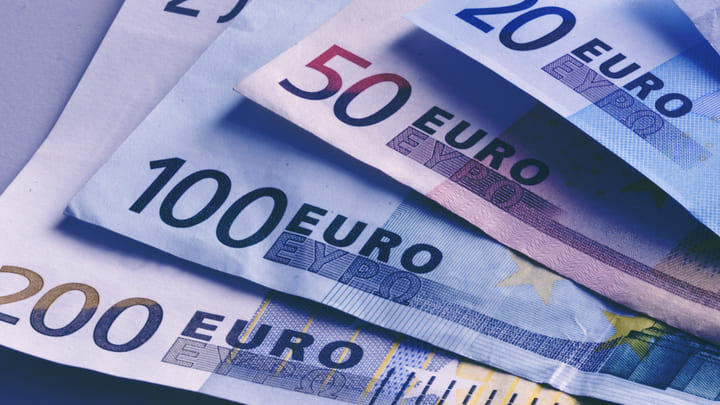
Portugal uses the Euro (€). The currency replaced the Portuguese escudo on January 1, 2002.
ATMs: The Multibanco network operates throughout Portugal, including in smaller towns and rural areas. In more than twenty years of guiding visitors across this country, I have never had a client unable to find a functioning ATM when they needed one. Machines accept most international debit and credit cards. Withdraw cash within the first 24 hours of arrival – you will need it for smaller cafés, village markets, and anywhere that prefers cash.
Cards: Visa and Mastercard are accepted at most restaurants, hotels, and shops in Lisbon, Sintra, and Cascais. Contactless payments including Apple Pay and Google Pay work on most terminals. Smaller tascas (local restaurants), village markets, and rural petrol stations often prefer cash. Carrying €50–80 in mixed denominations covers most situations.
Airport exchange desks: Avoid. The rate at Lisbon Airport typically runs 8–12% below the interbank rate. Use the Multibanco ATM in the arrivals hall instead.
Dynamic Currency Conversion: If a card terminal offers to charge you in your home currency rather than Euro, decline. The conversion rate applied is always worse than your bank’s rate. The exchange desk at Lisbon Airport has occupied approximately the same location since the terminal opened. It has not improved its rates in the interim.
Language in Portugal
The official language is Português (*Português*), spoken by approximately 260 million people worldwide – the 6th most spoken language globally and the official language of 9 countries across 4 continents.
English fluency is high. Portugal consistently ranks in the global top 10 for English proficiency among non-native speakers (EF English Proficiency Index, 2023). In Lisbon, Sintra, Cascais, and Porto, most people working in tourism, hospitality, and retail speak functional to fluent English. This has been true for at least a decade and is more pronounced among anyone under 50. Outside major cities, coverage varies. French is a reasonable fallback in some areas, particularly in the north. Spanish is understood but not always welcomed – the languages share roots but are distinct, and Portuguese speakers are generally precise about this distinction.
Useful phrases:
- Olá | Hello.
- Obrigado / Obrigada | Thank you (m/f).
- Por favor | Please.
- A conta, por favor | The bill, please.
- Quanto custa? | How much?
- Onde fica…? | Where is…?
- Fala inglês? | Do you speak English?
- Com licença | Excuse me.
- Desculpe | Sorry / Excuse me.
Making any attempt in Portuguese – even just obrigado – is consistently well-received. It is noticed.
Getting Around Portugal
Train (CP – Comboios de Portugal) – The national rail network is the most reliable option for intercity travel. Key routes relevant to most visitors:
Lisbon → Sintra: 40 minutes from Rossio or Oriente stations. Trains every 10–20 minutes during the day. Most practical option for a Sintra day trip.
Lisbon → Porto: Approximately 3 hours by Alfa Pendular (high-speed service), up to 8 daily departures.
Lisbon → Faro (Algarve): Approximately 2h45 by Alfa Pendular. For visitors planning both Lisbon city transport and a Sintra train trip, a 24-hour Carris/Metro/CP pass (€11.40) covers the metro, trams, buses, and the Sintra line – the most economical option for a full day.
Bus – Rede Expressos connects major cities. Lisbon to Évora: approximately 1h30. Lisbon to Coimbra: approximately 2h30. Bus fares are typically 20–30% lower than equivalent train routes on the same day.
Lisbon city transport:
Metro: 4 lines, operating 06:30–01:00. Single journey with a Viva Viagem card (zapping): €1.72. With bank card at the gate: €1.92. A 24-hour Carris/Metro pass costs €7.25.
Tram 28: The historic route through Alfama. Photographed constantly, boarded by tourists in significant numbers, and not particularly efficient as transport. It runs on a fixed route that takes twice as long as a taxi for the same distance. Worth experiencing once. Pickpockets operate actively on this line – keep bags in front and phones in pockets.
Uber and Bolt: Both fully operational in Lisbon. Typically 3–5 minutes wait in central areas, pricing comparable to metered taxis.
Driving – Right-hand traffic. Motorways use Via Verde electronic tolls – rental cars are usually pre-equipped. Parking in central Lisbon is limited; underground car parks are the practical option for day visitors. Driving between cities is straightforward; driving in central Lisbon is not recommended if alternatives exist. Full transport information for the city: Getting around Lisbon.
How Much Does Portugal Cost
Portugal is consistently described as one of Western Europe’s more affordable destinations. That is accurate at the lower end of the budget scale and less accurate at the higher end — Lisbon in particular has changed significantly in the past five years.
Daily budget estimates (Lisbon, per person):
- Budget | €40–60 | Hostel bed, local tascas, public transport, free attractions.
- Mid-range | €100–150 | 3-star hotel room (shared), sit-down meals, paid attractions.
- Comfortable | €200–300 | 4-star hotel, good dinners, private transport, guided day trips.
Reference prices (Lisbon, 2026):
- Hostel dorm (per night) | €18–28.
- Mid-range hotel double | €90–160.
- Meal at a local tasca (main + drink) | €9–14.
- Sit-down restaurant (per person) | €18–35.
- Coffee (bica) at the counter | €0.80–1.50.
- Beer at a local bar | €1.50–3.00.
- Metro single journey | €1.72.
- Museum entry (average) | €6–16.
- Pena Palace (Sintra) ticket | €20.
Where costs add up unexpectedly: central Lisbon restaurants near major tourist areas (Alfama, Belém, Chiado) often run 40–60% more than equivalent restaurants two streets away. Moving one block off the main route changes the bill noticeably. After 20 years of taking groups to lunch, I can confirm that the quality does not scale proportionally with the distance from the nearest tram stop.
Where to Stay in Portugal
Lisbon is the optimal base for most visitors. Day trips to Sintra, Cascais, Fátima, Évora, and Arrábida are all manageable from the city. Staying in Sintra itself is expensive, quieter in the evenings, and unnecessary – the train from Lisbon takes 40 minutes.
Lisbon neighbourhoods:
- Chiado / Bairro Alto: Central, walkable, good restaurant access. Livelier at night than some visitors expect.
- Príncipe Real: Quieter, slightly upscale. Good independent restaurants and bars.
- Baixa / Rossio: Maximum convenience for transport links. Very tourist-heavy.
- Alfama: Historic district. Steep terrain – not ideal with heavy luggage or limited mobility. Authentic atmosphere.
- Santos / Alcântara / LX Factory area: Further from the historic centre, younger crowd, interesting food scene.
Accommodation types:
- Hotel: Standard international options from 3-star upward. Lisbon has seen significant new hotel openings since 2018.
- Apartamento / aparthotel: Good for stays of 4+ nights. Kitchen access reduces food costs.
- Pensão / guesthouse: Older format, often family-run, highly variable quality. Some of the best value in Lisbon is in this category.
- Hostel: Lisbon has a strong hostel scene by European standards. Dorms €18–28/night; private rooms €60–100.
Booking: Booking.com and Airbnb both have comprehensive Lisbon listings. For stays during June (Festas de Lisboa) or August – book at least 2–3 months in advance. Prices spike and availability drops sharply.
Is Portugal Safe for Tourists?
Portugal ranks among the top 7 safest countries globally on the Global Peace Index (Institute for Economics and Peace, 2026) – consistently in that range for the past decade and ahead of most Western European nations.
Main risk: petty theft. Pickpocketing is the primary issue and is concentrated in specific locations: – Tram 28 (Alfama section) – Belém (around Jerónimos Monastery and Torre de Belém) – Alfama during Festas de Lisboa (June) – Crowded miradouros (viewpoints) at peak hours – particularly Miradouro das Portas do Sol and Santa Luzia Keep your phone in a front pocket or a bag with a zip. Use the hotel safe for extra cards and passports. Standard urban precautions apply – nothing specific to Portugal beyond the tram.
Tourist-targeted scams are rare by European standards. The most common: overpriced menus without clear pricing at the door (check the menu before sitting outside in heavy tourist areas), and unsolicited “help” with ticket machines at transport hubs.
Wildfire risk: Portugal has experienced significant wildfire seasons in interior and central regions, particularly in July and August. Coastal areas — Lisbon, Sintra, Cascais, Setúbal, Arrábida – have considerably lower risk. If travelling to interior regions (Alentejo, central Portugal) in summer, check fire risk maps at ipma.pt before departure.
Heatwaves: Lisbon recorded 44°C in July 2023. Heatwaves occur with increasing frequency in June–August. Plan outdoor sightseeing for mornings, carry water, and use shade where available.
Drug policy: Portugal decriminalised personal possession of all drugs in July 2001. Small amounts are treated as a public health matter, not a criminal offence. Trafficking and sale remain illegal.
Emergency number: 112 – covers police (PSP), ambulance (INEM), and fire services. Tourist police operate in Lisbon city centre, including at Praça do Comércio.

Food & Drink in Portugal
Bacalhau (salt cod) – Portugal’s most documented dish. Over 365 recipes are recorded – one for each day of the year. The most frequently served are bacalhau à Brás (shredded cod with egg and thin potato straws), bacalhau com natas (baked with cream), and bacalhau à Gomes de Sá (with boiled egg and olive oil). Worth noting: Portugal imports most of its cod from Norway. Portuguese fishing fleets once sailed to the waters of Newfoundland for centuries to catch it. The fish is salted and dried – it has nothing to do with fresh fish and everything to do with preservation technology from the 15th century. You do not choose to eat bacalhau in Portugal. It presents itself – in tascas, in supermarkets, on menus where you had mentally committed to something else.
Pastéis de nata – Created at the Mosteiro dos Jerónimos in Belém. The recipe was transferred to a nearby pastry shop – now known as Pastéis de Belém – in 1837. That shop still operates at Rua de Belém 84–92, still uses the original recipe, which has remained confidential since the 19th century, and still has a queue most mornings. In Lisbon, variations are sold at every café and bakery. The original in Belém is worth the 5–15-minute wait on a weekday morning. The recipe difference is subtle. The ritual is not.
Other essentials:
- Bifana: Pork sandwich seasoned with garlic and paprika, €4–€8, available at any tasca worth the name.
- Caldo verde: Kale and linguiça sausage soup – winter staple, widely available year-round.
- Prego no pão: Beef steak sandwich, typically eaten as a quick lunch.
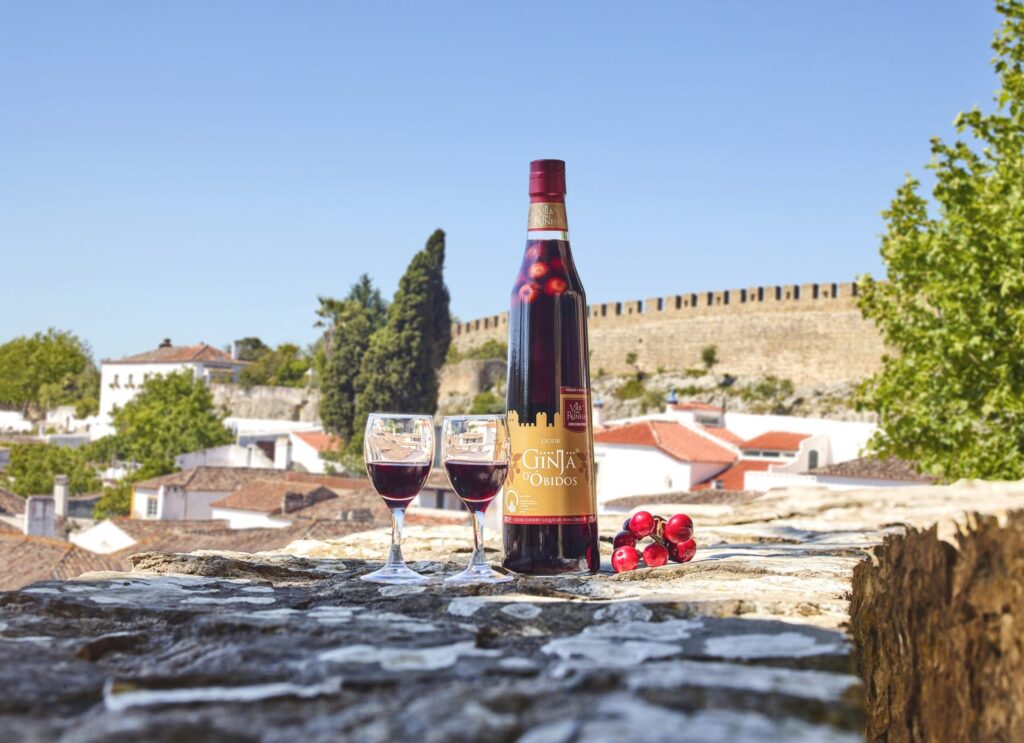
- Ginjinha: Cherry liqueur, served in small cups from street kiosks. In Óbidos, it is served in a chocolate cup – the cup is part of the experience and is eaten afterward.
Wine: Portugal has 14 regional wine appellations and an export portfolio that has grown substantially over the past two decades.
- Douro Valley: Origin of Port wine and increasingly recognised for dry red table wines. UNESCO-listed landscape. Wines from the Douro are Portugal’s best-known internationally. –
- Alentejo: Full-bodied reds with growing international presence. The Alentejo produces roughly 2% of Portugal’s wine by volume but consistently wins a disproportionate share of international awards.
- Setúbal Peninsula: Moscatel de Setúbal, produced since the 16th century – one of Portugal’s oldest appellations and underappreciated outside the country.
- Vinho Verde: Light, slightly sparkling whites from the northwest. The name means “green wine” – it refers to youth, not colour. Most are consumed within the year. Served at almost every seafood restaurant in Lisbon.
Coffee – The counter coffee culture in Portugal operates by specific terminology:
- Bica: Espresso (Lisbon term; café elsewhere).
- Galão: Espresso with foamed milk, served in a tall glass – roughly a latte.
- Meia de leite: Coffee with milk, in a cup, common at breakfast.
- Abatanado: Long black; espresso with added water.
Average price at a local café counter: €1.00–€1.50.

Tipping in Portugal
No mandatory tipping culture. No set percentages. No social awkwardness if you leave nothing. The bill arrives – you pay the bill.
Restaurants: 5–10% is common for genuinely good service. Rounding up also works. What is considered rude: leaving only the small copper coins (€0.01, €0.02, €0.05). Leaving nothing is more neutral than leaving three copper coins. If you are tipping, use silver.
Cafés: Round up to the nearest euro. On a €1.80 coffee, leaving €2 is enough.
Taxis and Uber: Round up the fare. On €7.40, leaving €8 is standard.
Hotels: €1–2 per bag if a porter assists. €1–2 per night for housekeeping – optional, and more common in upscale hotels.
Passeios: Discretionary. If a guide spent 8 hours managing logistics, explaining context, and keeping a group functional in 30°C heat, €5–10 per person acknowledges that. There is no set expectation.
Hairdressers: Round up or 5–10% for good work. Not expected.
Parking attendants (vigilantes): Many unattended parking areas in Lisbon – particularly in Alfama and the Belém waterfront – have informal attendants. Leaving €0.50–€1 is expected. Whether or not you do, the attendant will remember your car.
Card terminals: Post-2020, most restaurant payment devices include a tip prompt (gratificação). Entering 0 or selecting “no tip” is unremarkable.
Note: gratuities added via card terminal do not always reach the serving staff directly, depending on how the establishment processes payments. If tipping is important to you, cash is more reliable.
One thing worth knowing before you sit down: couvert – the bread, olives, and butter that appear uninvited at the start of nearly every Portuguese restaurant meal – is charged separately and is entirely optional. You can ask the waiter to remove it before it touches the table. This is not rude. It is, in fact, the most Portuguese response to an uninvited bowl of olives.
Festivals & Events
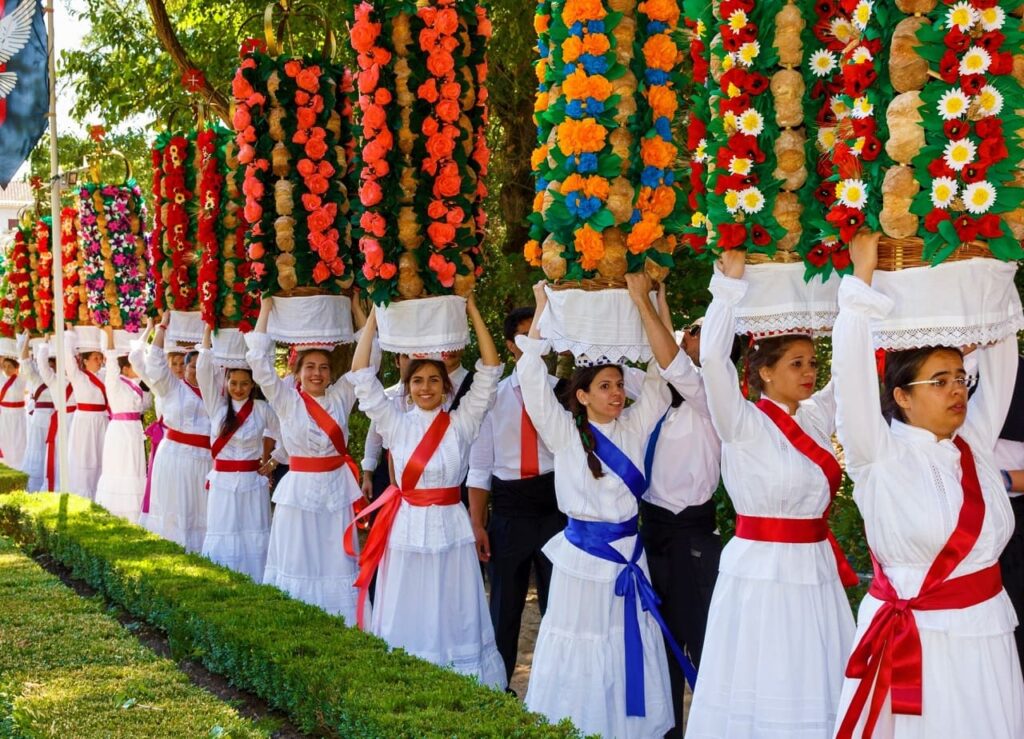
June – Festas de Lisboa (Lisbon) – The largest urban festival in Portugal. The month of June is officially the month of Lisbon’s patron saint, Santo António. The peak is the night of June 12–13: Alfama fills with sardines grilling on every street corner, basil plants wrapped in paper given as gifts, and processions that continue until dawn. Most visitors who happen to be in Lisbon on June 12th describe it as the most unexpectedly memorable evening of their trip. Hotel prices in June reflect this.
Late June – Festa de São João (Porto) – Porto’s equivalent, June 23–24. The tradition involves hitting strangers gently on the head with plastic hammers or leek stalks. This is exactly as it sounds and is considered affectionate. One of the more distinctive street festivals in Europe. If your itinerary includes Porto, this week is worth planning around.
May 12–13 and October 12–13 — Fátima Pilgrimages – The two largest annual pilgrimages at Fátima, marking the dates of the 1917 Marian apparitions. Up to one million pilgrims attend each event. The town reaches capacity — accommodation must be booked months in advance, and access routes are restricted. If you are visiting Fátima on these specific dates, expect a profoundly different experience from a standard visit. If you are not, avoid these dates unless the pilgrimage itself is the purpose of your trip.
July – NOS Alive (Lisbon) – Major international music festival held at Passeio Marítimo de Algés, west of the city centre. Draws significant international crowds. Accommodation in Lisbon books up in the surrounding days.
December – Óbidos Christmas Market – The walled medieval town of Óbidos operates one of the most atmospheric Christmas markets in Portugal, typically from late November through early January. The medieval fortifications serve as the backdrop – practically staged for the purpose.
SIM Cards & Connectivity
Portugal uses the GSM standard. 4G coverage is extensive across cities and main tourist areas. Rural and interior regions have variable coverage.
EU residents: No additional roaming charges within the EU – your existing plan applies.
Non-EU visitors (US, UK, Canada, Australia): Check your carrier’s international plan before departure. Daily international add-ons from US carriers typically run $5–15/day for data.
Local SIM card: NOS, MEO, Vodafone and Lyca Mobile all sell tourist SIM cards at Lisbon Airport and city-centre shops. Expect €15–25 for 15–30 days of service with 15–30GB of data. An eSIM is available from providers such as Airalo and Holafly – useful if your phone supports it, as it avoids the airport shop queue entirely.
WiFi: Available at virtually all hotels, most cafés and restaurants, and many public squares in Lisbon. Reliable in the areas visitors typically spend time. The exception is rural day trip sites (castle ruins, remote viewpoints) – download maps and content before departure.

What Most Guides Don’t Tell You
These are the things you learn after years of watching visitors make the same avoidable mistakes – not because they are careless, but because no one told them.
- Raise your hand at the bus stop. Outside Lisbon’s city centre, most buses will not stop unless you actively signal the driver. Extend your arm clearly as the bus approaches. This is not optional — it is how the system works. On low-frequency rural routes, the next bus may be an hour away. The bus 1624 between Cascais and Sintra, which passes near Cabo da Roca, runs roughly once an hour. The number of tourist groups I have watched standing at a stop near Boca do Inferno, deep in conversation, while the bus rolled past without slowing – is not small. The driver saw them. They did not signal. The bus did not stop.
- Avoid Euronet ATMs entirely. Euronet and other independent (non-bank) ATMs in tourist areas charge a flat fee of approximately €5 per withdrawal, on top of applying exchange rates significantly worse than the interbank rate. Use ATMs operated by Portuguese banks: Caixa Geral de Depósitos, Millennium BCP, Santander, BPI, Novo Banco. These are inside or adjacent to bank branches and are easy to identify.
- Decline Dynamic Currency Conversion – every time. At ATMs and card terminals, you will occasionally be offered the option to pay in your home currency rather than Euro. Decline. Always select Euro. The conversion rate applied by the terminal is always worse than your bank’s rate – typically 3–5% worse. The machine will phrase this as a convenience. It is not.
- The couvert is a decision, not a gift – Bread, olives, and butter arrive at the table without being ordered. They are charged per person – typically €1.50–3.00 per item. If you want them, keep them. If not, say “não, obrigado” before anyone sits down. The time to do this is before they land on the table, not after half the bread has gone.
- The prato do dia is the best deal in Portugal. Every traditional restaurant in Portugal offers a *prato do dia* (dish of the day) at lunch, typically between 12:00 and 15:00. For €8–12 you get soup or salad, a main course, a drink, and sometimes dessert. These meals are written by hand on a chalkboard or on a paper posted at the door. They are what the kitchen is actually cooking that day. The à la carte menu costs two to three times more for food prepared with less care.
- How to identify a real restaurant. Paper tablecloths. A menu written by hand or printed cheaply. A TV in the corner showing football or the news. A dessert display with a retro mirrored cabinet. House wine poured from a box or a ceramic jug. Weekly specials – cozido on Wednesday, fish on Friday. Interior unchanged for at least 20 years. Inverted Google Maps rule: authentic Portuguese restaurants tend to rate 4.0–4.4 stars. When you see 4.7 or 4.8, the kitchen is usually catering to Instagram, not to locals.
- Break €50 notes before you need them. Small shops, market stalls, tascas, and petrol stations in smaller towns frequently refuse €50 notes. Break large bills at supermarkets – Continente or Pingo Doce are everywhere and the cashiers are used to it.
- Free tap water – ask for it. Since 2024, restaurants in Portugal are legally required to provide free tap water upon request. Ask for “copos de água da torneira” (glasses of tap water). Some establishments will initially offer bottled water regardless. Persist. The water is safe – Portugal’s tap water meets EU drinking standards.
- Pre-book Pena Palace and Jerónimos Monastery. In July and August, both sites sell out of walk-in tickets before 10:00. Arriving without a pre-booked ticket means turning around. Book online the day before at minimum – ideally a week ahead for summer weekends. This is not a crowd-management suggestion. It is a gate policy.
- The free view at Elevador de Santa Justa. The viewing platform at the top of the Elevador de Santa Justa (the neo-Gothic iron lift in Baixa) charges €1.50 for the observation deck alone. The queue is long and the view is identical to the one available from the ruined Gothic arches of Igreja do Carmo, accessible from the Largo do Carmo – which is free and usually quiet. Most visitors waiting for the elevator do not know this.
- Tram 28: the actual advice. Tram 28 is scenic, historic, and – between 09:00 and 18:00 in summer – extremely crowded. The same hills can be covered on Bus 737 (São Jorge Castle) with a seat. If you specifically want to ride Tram 28 for the experience, board at Martim Moniz in the early morning rather than at the central stops where the queues form. Before 08:00 on a weekday, it is a different journey.
- The ferry to Cacilhas costs €1.45. The 10-minute ferry crossing from Cais do Sodré to Cacilhas, on the south bank of the Tagus, costs €1.45 each way. It offers a panorama of Lisbon’s waterfront that no viewpoint in the city can replicate. Almost no tourists take it. The crossing runs every 30 minutes. On the Cacilhas side there is a working fishing village, a row of restaurants, and a view of the city that most visitors never see.
- Cobblestones are a hazard in rain. Português calçada – the black and white mosaic stone paving – becomes extremely slippery when wet. This is not a mild inconvenience. Pack shoes with rubber soles regardless of the season. Lisbon and Sintra have hills. Wet cobblestones on a downhill slope require full attention. Dress shoes, leather soles, and smooth sandals are inappropriate in rain, and rain in Lisbon can arrive without warning.
- Never leave anything visible in a parked car. Car break-ins are common in tourist areas throughout Portugal, particularly in Lisbon, Sintra, and along the Algarve coast. Do not leave bags, jackets, cameras, or charging cables visible on seats or in the footwell. Remove rental company stickers from the windows before parking – they indicate a rental vehicle and mark it as a potential target.
- The pedestrian crossing rule. At marked zebra crossings in Portugal, drivers are legally required to stop for pedestrians. Cross with confidence and at a steady pace. Hesitating in the middle of the road confuses Portuguese drivers more than walking steadily across does. The custom works – provided you use designated crossings and not mid-block.

Day Trips from Lisbon
Lisbon is one of the most functional bases for day trips in Europe. Within a two-hour radius: two separate UNESCO World Heritage Sites, the Atlantic coast, medieval walled towns, wine country, and one of the most visited pilgrimage destinations in the Catholic world.
Sintra
UNESCO Cultural Landscape since 1995. Pena Palace: 1.5M visitors/year. 40 min by train from Rossio.

Fátima
Major pilgrimage site. Marian apparitions: 1917. Up to 6 million pilgrims/year. Sanctuary complex: free entry.

Évora
UNESCO World Heritage city since 1986. Roman Temple: 1st century AD. Chapel of Bones: 16th century.

Tomar
Convent of Christ – UNESCO 1983. Templar headquarters from 1160. Charola rotunda predates the Order’s dissolution.
Arrábida
Natural park. 30+ km of Atlantic coastline. Water visibility up to 20m. Private vehicles restricted June 7–September 15.

Cabo da Roca
Westernmost point of mainland Europe. 140-metre cliffs above the Atlantic. First documented by Luís de Camões in 1572.


Day Tours from Lisbon
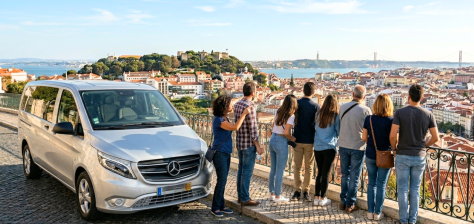
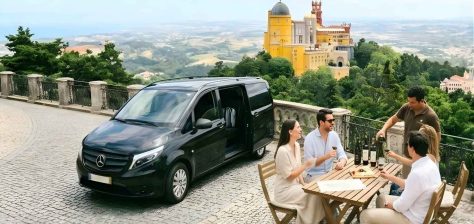
We run private and group tours from Lisbon to all destinations above. Most itineraries combine two or three locations in one day.
Passeios em grupo
A partir de Lisboa
Passeios privados
A partir de Lisboa
Perguntas frequentes
Que moeda é usada em Portugal?
Portugal uses the Euro (€), adopted January 1, 2002. ATMs (Multibanco network) are available throughout the country. Visa and Mastercard are widely accepted; smaller cafés and rural markets may be cash-only. Carry €50–80 in mixed denominations.
What is the best month to visit Portugal?
May and September offer the best combination of weather, manageable crowds, and reasonable prices. July and August are warmest but peak season – longest queues at major attractions and highest accommodation rates.
Is Portugal safe for tourists?
Portugal ranks among the top 7 safest countries globally (Global Peace Index, 2026). The main risk is petty theft in crowded tourist areas – particularly on Tram 28 and around Belém. Emergency number: 112.
Do I need a visa for Portugal?
US, UK, Canadian, Australian, and New Zealand citizens do not need a visa for stays up to 90 days. EU/EEA citizens need only a national ID card. Check whether ETIAS pre-authorisation is required at the time of your travel – the system’s launch date has been postponed multiple times.
Do they speak English in Portugal?
Yes, widely – in Lisbon, Sintra, Cascais, and Porto. Portugal ranks in the global top 10 for English proficiency among non-native speakers (EF EPI, 2023). Coverage is more variable outside major cities.
Is tap water safe to drink in Portugal?
Yes. Portugal’s tap water meets EU drinking water standards. Bottled water is commonly consumed for taste preference, not safety.
What plug adapter do I need in Portugal?
Type F (Schuko) – the standard European round 2-pin plug. US travellers need a Type A/B to F adapter. UK travellers need a Type G to F adapter.
Is tipping mandatory in Portugal?
No. Tipping is discretionary. In restaurants, 5–10% for good service is common but not expected. Avoid leaving only small copper coins – leave nothing rather than €0.01–€0.05.
What is Portugal's most famous dish?
Bacalhau (salt cod), with over 365 documented recipes. Pastéis de nata – custard tarts created at the Mosteiro dos Jerónimos in Belém in 1837 – are a close second internationally.
How do I get from Lisbon airport to the city centre?
Metro Red Line (Linha Vermelha) from Aeroporto station to central Lisbon: approximately 20 minutes. Single journey with Viva Viagem card: €1.72. With bank card at the gate: €1.92. Uber and Bolt also operate from arrivals.
How many UNESCO World Heritage Sites does Portugal have?
17, as of 2026. They include Sintra Cultural Landscape, the Historic Centre of Évora, the Convent of Christ in Tomar, the Monastery of Batalha, the Monastery of Jerónimos and Tower of Belém in Lisbon, and the Douro Valley landscape, among others.
What are the best day trips from Lisbon?
The most visited are Sintra (28 km, UNESCO), Fátima (136 km), Évora (131 km, UNESCO), Tomar (136 km), Arrábida Natural Park (40 km), and Cabo da Roca (40 km – westernmost point of mainland Europe).

Founder & Director of Yellow Cab TT Tours. Guiding in Portugal for 20+ years.
Founded Yellow Cab TT Tours in 2013. 3,372 five-star reviews on Tripadvisor.