
Arrábida Natural Park, Portugal: Wild Atlantic Coast & Day Tours from Lisbon
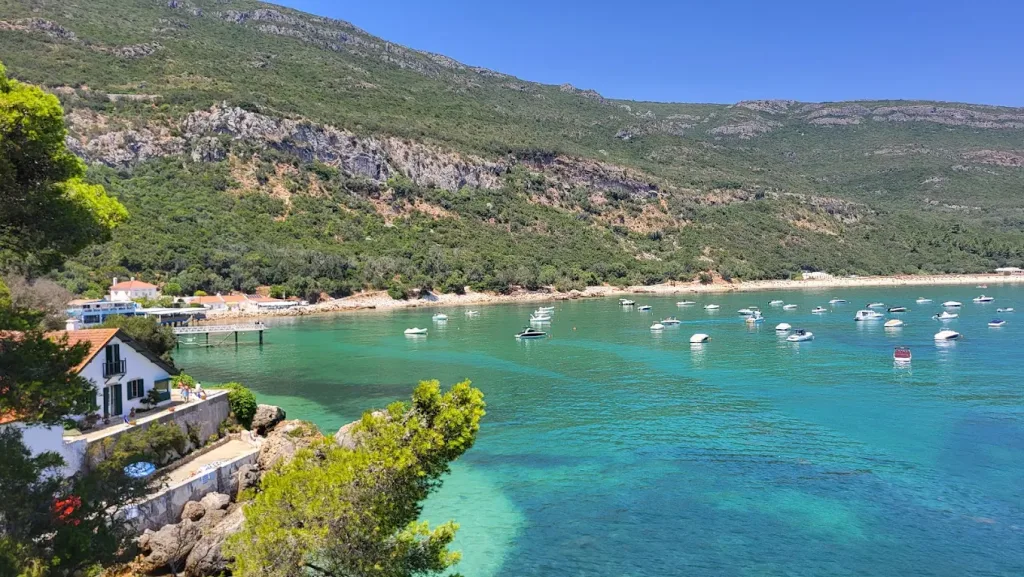
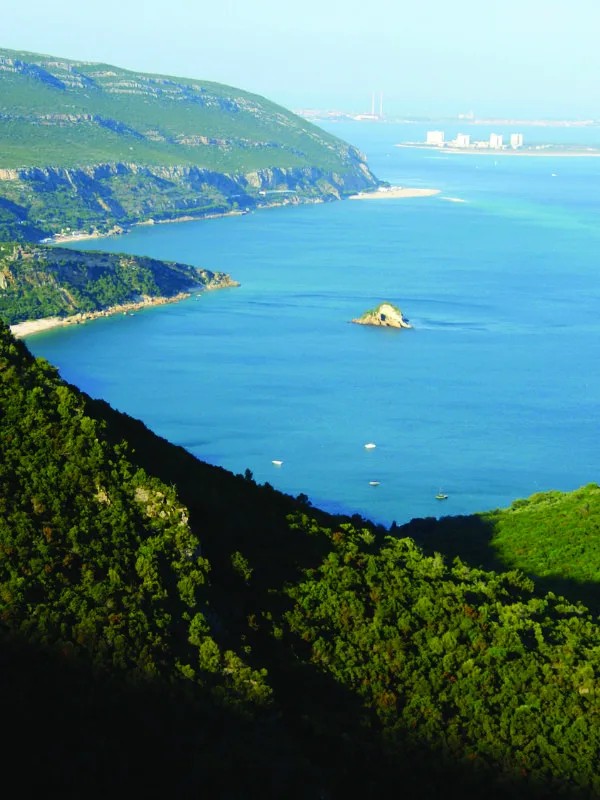
Arrábida Natural Park (Parque Natural da Arrábida) is a protected area on the Setúbal Peninsula, 50 km south of Lisbon. Established on 28 July 1976 by Decree 622/76, the park covers a total area of 176.41 km² – 123.30 km² on land and 53.11 km² at sea. The Serra da Arrábida mountain range runs along the southern edge of the peninsula parallel to the coastline, with its highest point, Alto do Formosinho, at 501 metres. The southern slopes drop almost vertically into sheltered bays, producing water transparency and colour comparable to the Mediterranean.


The Serra da Arrábida - Geology and Landscape
The Serra da Arrábida is a limestone ridge formed by the Formosinho anticline – a geological fold in which older rock layers were pushed upward through younger strata. This Cretaceous-era limestone produces the characteristic white and grey cliff faces that line the southern coast. The ridge runs roughly east to west for approximately 35 km, separating the cooler, Atlantic-facing northern slopes from the warmer, drier southern slopes that face the sea.
The difference in microclimate between the two faces of the serra produces two distinct vegetation zones. The north-facing slopes support Euro-Atlantic species – denser, moisture-dependent vegetation. The south-facing cliffs and coastal areas support Mediterranean species, including Portuguese endemic plants such as Arabis sadina and Iberis procumbens ssp. microcarpa. Rare birds, including the peregrine falcon, nest in the sea cliffs.
The Serra do Risco, the most dramatic cliff section visible from the coastal road, reaches approximately 380 metres above sea level and provides the backdrop to the beaches below.
Convento da Arrábida - Franciscan Monastery in Stone (1542)
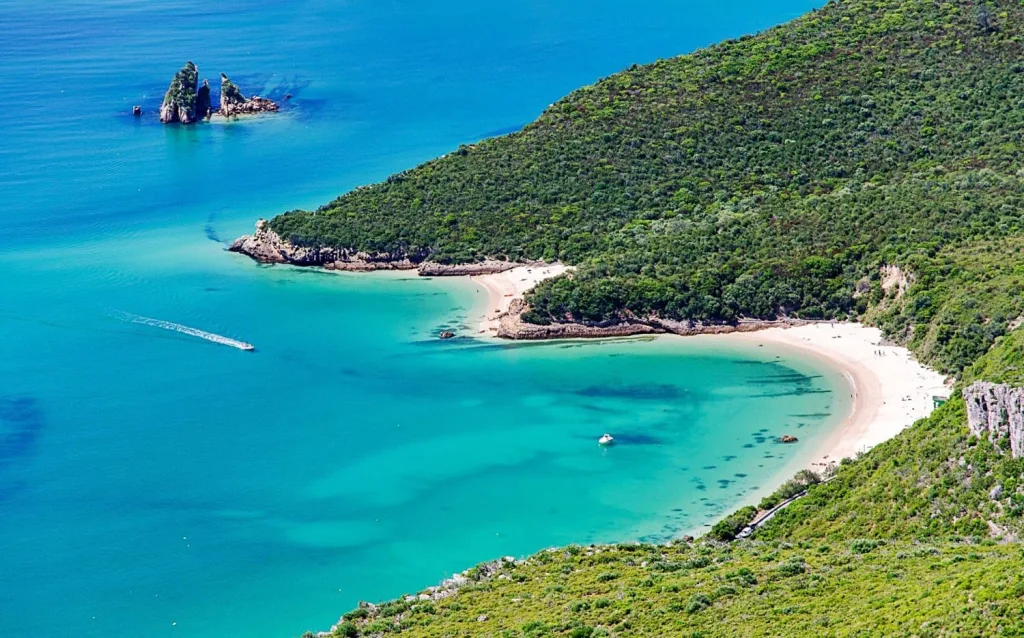
In 1542, a Castilian Franciscan friar named Frei Martinho de Santa Maria arrived at the Serra da Arrábida seeking solitude. He established a small community of four friars in cells carved directly from the limestone rock face. The land was granted by the first Duke of Aveiro. Over the following century, the monastic community expanded into a complex of chapels, hermitages, corridors and staircases that follow the natural contours of the mountain, spread across 25 hectares.
The original rock-hewn hermitages – the oldest part of the complex – are known today as the Convento Velho (Old Convent), situated at the highest point of the site. The lower sections, built in subsequent centuries, include the main church and residential quarters.
With the suppression of religious orders in Portugal in 1834, the monastery was abandoned. It was acquired by the Palmela family, who undertook restoration in the 1940s and 1950s. In 1990, the entire 25-hectare property was sold to the Fundação Oriente. The convent is not fully open to independent visitors; guided access is possible on designated days — check icnf.pt for current arrangements.
The Beaches of Arrábida
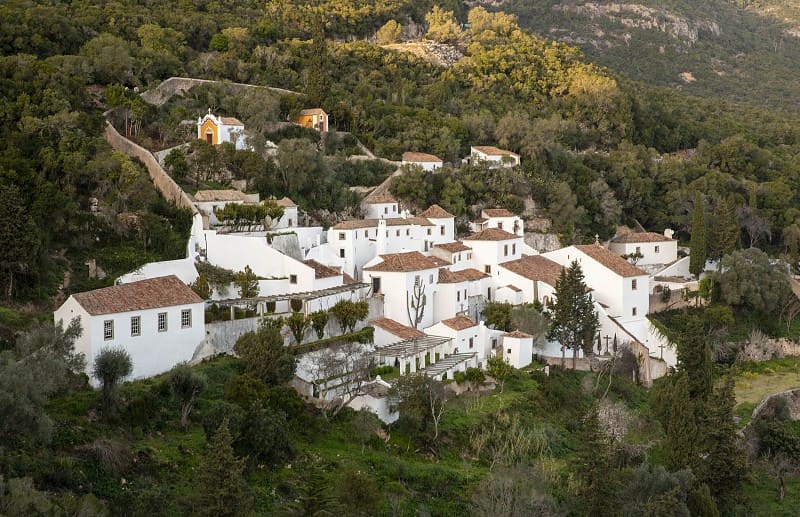
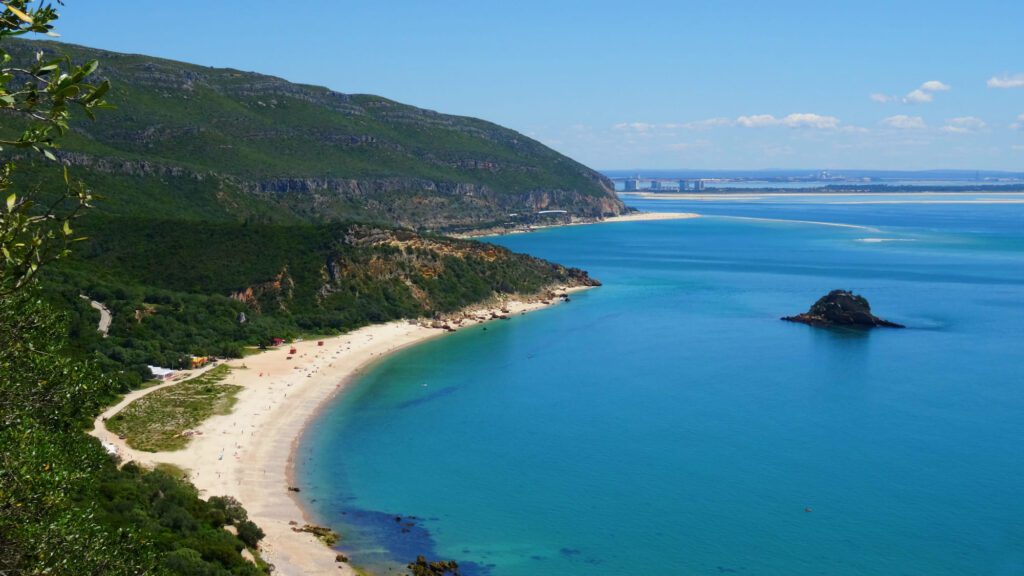
The beaches at Arrábida are among the least typical of the Portuguese Atlantic coast. The combination of limestone cliffs blocking north winds, a south-facing orientation, and sheltered bay geometry produces water temperatures of 19–22°C in summer – 3–5°C warmer than comparable stretches of the open Atlantic coast. The water column is clear to considerable depth.
Vehicle access to the coastal road (Estrada de Arrábida, EN379-1) is subject to seasonal restrictions and a daily vehicle quota during the summer months (July–September). Visitors are encouraged to arrive early or use local shuttle services from Setúbal.
Portinho da Arrábida
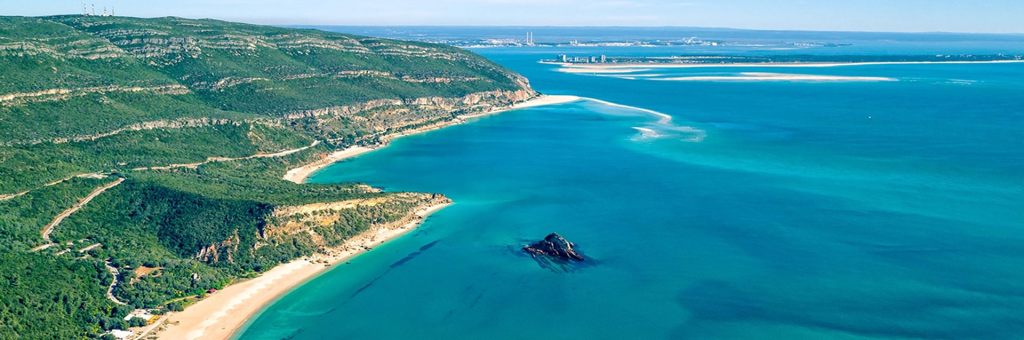
Portinho da Arrábida is the park’s most frequented beach. It occupies a small horseshoe-shaped bay enclosed by limestone cliffs, producing sheltered, calm water in most wind conditions. The Marine Research Centre of the University of Lisbon (IMAR) operates a small marine research station at the edge of the bay, reflecting the high biodiversity of the surrounding marine protected area. The beach has no surf and is suited to swimming and snorkelling.
Galapinhos
Galapinhos is a smaller, less accessible beach reached by a footpath from the coastal road. It has no facilities and receives fewer visitors than Portinho da Arrábida. The water is calm and clear. It was ranked among the best beaches in Europe in a 2020 survey by the European Environment Agency for water quality and natural setting.
Figueirinha
Figueirinha is the largest and most accessible beach in the park, located closest to Setúbal on the coastal road. It holds a Blue Flag designation for water quality. Car parking is available adjacent to the beach; the volume of visitors is highest here during weekends in July and August.
Flora, Fauna and Protected Status
Arrábida Natural Park contains the last significant stands of Mediterranean-type maquis (dense scrubland) on the western Iberian coast. The vegetation combines three distinct phytogeographic elements: Euro-Atlantic (north slopes), Mediterranean (south-facing cliffs), and Macaronesian (coastal rocky outcrops).
The marine protected area (53.11 km²) covers the submarine cliff faces and sandy seabed below the coastal beaches. It contains beds of sea grass (Cymodocea nodosa), grouper, moray eels, octopus and dolphin populations from the adjacent Sado Estuary. The Sado Estuary – located east of Setúbal – contains one of two permanent resident populations of bottlenose dolphins in Portugal, estimated at approximately 30 individuals.
The park is classified under Portugal’s national protected area system (ICNF — Instituto da Conservação da Natureza e das Florestas) and falls under the EU Habitats Directive.
Wine in the Arrábida Region
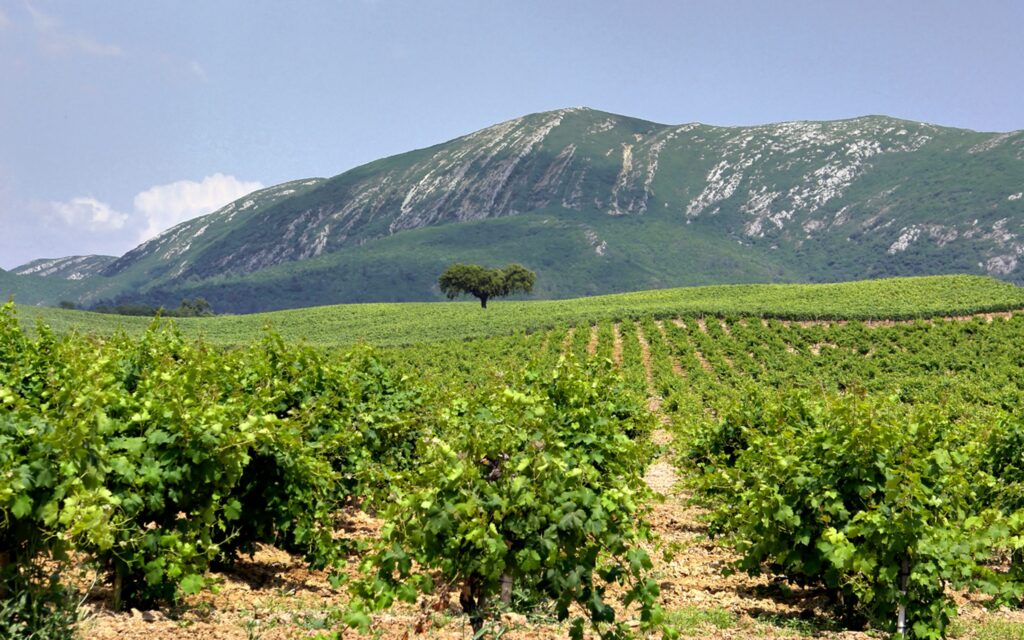
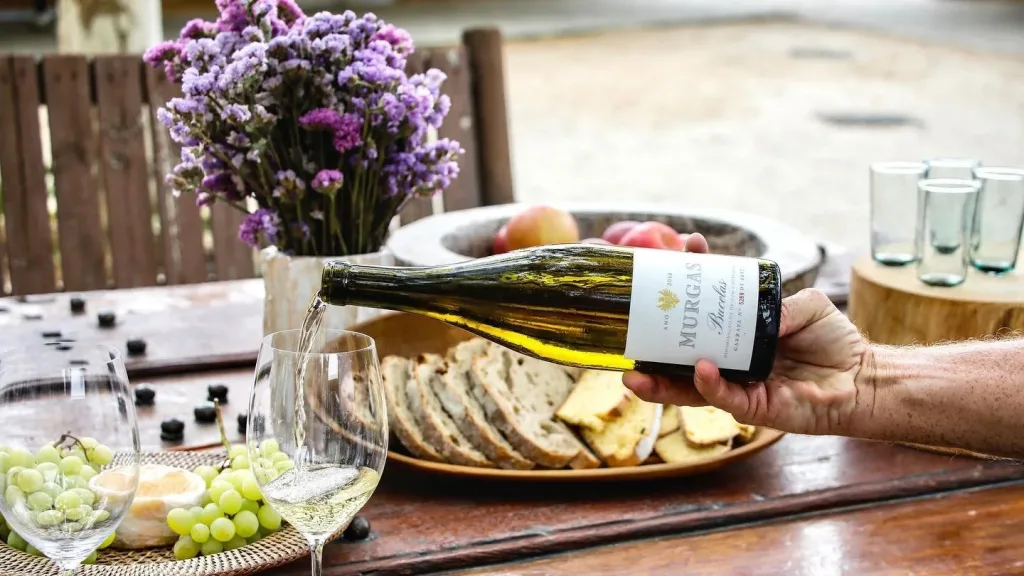
The hillsides of the Setúbal Peninsula, including the slopes of the Serra da Arrábida, fall within the Setúbal Denominação de Origem Controlada (DOC) wine region. The principal grape variety of the region is Castelão (also known locally as Periquita), which produces structured red wines suited to the warm, semi-arid microclimate of the south-facing slopes.
Moscatel de Setúbal – a fortified wine made from Muscat grapes – is the region’s historically most recognised product, with documented production ting to the 16th century.
Yellow Cab TT Tours operates wine experience tours in the Setúbal / Arrábida area combining vineyard visits with coastal stops.
When to Visit Arrábida
April–June | Mild (16–22°C), low crowds, vehicle access unrestricted, vegetation in bloom.
July–August | Peak season (24–30°C); road access restricted, daily vehicle quota in force; arrive before 09:00 or use Setúbal shuttle.
September–October | Warm (20–26°C), vehicle quota lifted, water still warm (20–22°C), significantly fewer visitors.
November–March | Cool (10–16°C), no restrictions, park nearly empty; sea rough and unsafe for swimming.
Best compromise month: September – warm water, no vehicle restrictions, low crowds.
Getting to Arrábida from Lisbon
De carro: Cross the 25 de Abril Bridge (toll) or the Vasco da Gama Bridge (toll), then head south toward Setúbal via the A2 or A12. Total distance approximately 50 km; journey time 40–55 minutes outside peak hours. From Setúbal, follow signs for Parque Natural da Arrábida / EN379-1 coastal road. During July and August, the EN379-1 coastal road applies a daily vehicle quota. Entry is managed electronically; vehicles exceeding the daily limit are turned back. Local shuttles operate from Setúbal’s Praça de Bocage.
By public transport: Trains from Lisboa Oriente to Setúbal (40–50 min, operated by Fertagus). From Setúbal, local buses or taxis serve the coastal area. Direct bus access to beaches is limited — a taxi or tour vehicle is more practical.
Private Tours to Arrábida from Lisbon
Arrábida is frequently combined with Setúbal and wine tastings. The Évora combination (Arrábida morning + Évora afternoon, or vice versa) is a longer full-day itinerary covering the Alentejo side as well. All private tours depart from the client’s hotel in Lisbon. Transport in a licensed vehicle with a professional guide.
Yellow Cab TT Tours operates:

Setúbal Wine Experiences
wine-focused tour, vineyards of the Setúbal DOC region
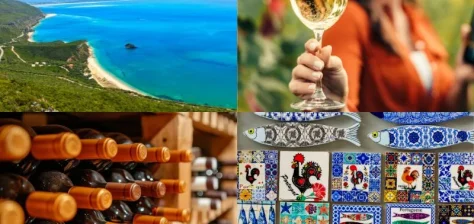
O que não pode perder na Arrábida
Vistas Panorâmicas
Águas Turquesa

Provas de Vinho
Vistas incríveis
Perguntas frequentes
How far is Arrábida Natural Park from Lisbon?
Arrábida Natural Park is approximately 50 km south of Lisbon, a journey of 40–55 minutes by car via the 25 de Abril Bridge and the A2/A12 toward Setúbal.
Why is the water at Arrábida so clear and warm?
The limestone cliffs of the Serra da Arrábida create sheltered, south-facing bays that trap solar heat and block Atlantic winds. Water temperatures reach 19–22°C in summer, 3–5°C warmer than the open Atlantic coast. The absence of river estuaries near the beaches keeps sediment levels low, producing high transparency.
Can you drive to the beaches at Arrábida?
During July and August, vehicle access to the coastal road (EN379-1) is subject to a daily quota. Vehicles beyond the limit are turned back. Visitors are advised to arrive before 09:00 or use local shuttle services from Setúbal’s Praça de Bocage. Outside the summer season, the road is open with no restrictions.
When was Arrábida Natural Park established?
The park was established on 28 July 1976 by Decree 622/76, covering 176.41 km² in total — 123.30 km² on land and 53.11 km² at sea.
What is the Convento da Arrábida?
The Convento da Arrábida is a Franciscan monastery founded in 1542 by Frei Martinho de Santa Maria, who arrived with four friars and carved the first cells directly from the limestone cliff face. The complex spread across 25 hectares over the following centuries. After suppression of religious orders in 1834 and abandonment, it was restored in the 1940s–50s and is now owned by the Fundação Oriente.
What is the highest point of the Serra da Arrábida?
Alto do Formosinho at 501 metres is the highest point of the Serra da Arrábida. It is formed by the Formosinho anticline – a geological fold of Cretaceous limestone. The Serra do Risco cliffs near the coast reach approximately 380 metres above sea level.
What is the best beach in Arrábida?
Portinho da Arrábida is the most visited, offering sheltered horseshoe bay conditions, clear water, and access to the marine protected area. Galapinhos is smaller, quieter, and considered by the European Environment Agency among the best-quality beaches in Europe. Figueirinha is the largest and most accessible, with a Blue Flag designation.
Are there dolphins near Arrábida?
Yes. The Sado Estuary, located immediately east of Setúbal on the edge of the park, contains one of two permanent resident bottlenose dolphin populations in Portugal, estimated at approximately 30 individuals. Dolphin-watching boat trips operate from Setúbal harbour.
What wines are produced in the Arrábida area?
The Setúbal Peninsula falls within the Setúbal DOC wine region. Key varieties include Castelão (red) and Moscatel de Setúbal – a fortified Muscat wine with documented production from the 16th century.
What is the best time of year to visit Arrábida?
September offers the best combination: water temperatures still 20–22°C, no vehicle access restrictions, and significantly fewer visitors than July and August. April to June is also excellent — mild weather, unrestricted access, and vegetation in bloom.