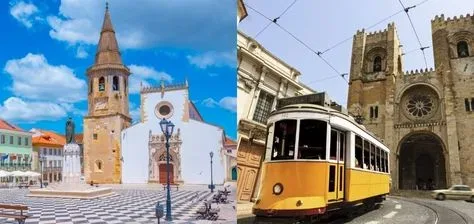
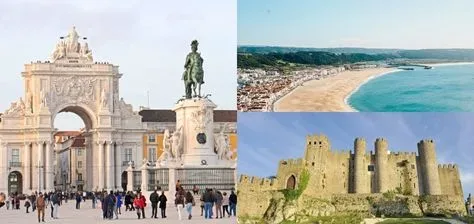
The Portuguese Pavement Association has submitted the “Art and Craft of Portuguese Pavement” for inclusion in UNESCO’s Intangible Cultural Heritage list, in a joint effort with eight Portuguese municipalities — Braga, Estremoz, Faro, Funchal, Lisbon, Ponta Delgada, Porto de Mós, and Setúbal — along with more than 50 craftsmen and several public and private institutions. The application took around three years to prepare and has now been delivered to the National UNESCO Commission.
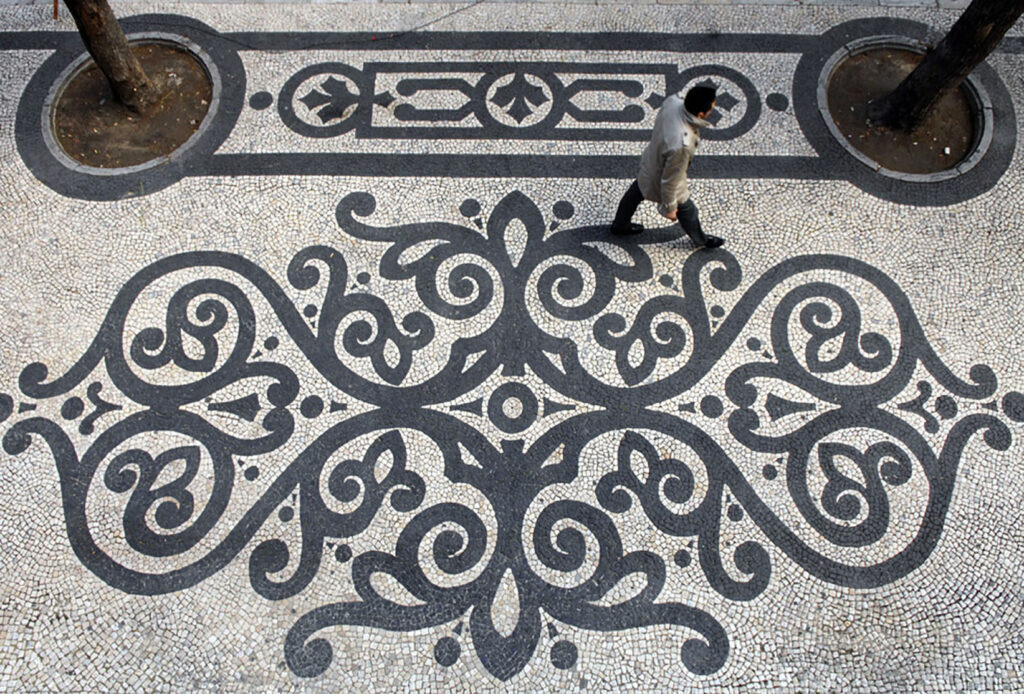
The main goal of this initiative is to preserve and promote a traditional craft that is currently at risk of disappearing, largely due to the decline in skilled workers and reduced use of this technique in modern urban planning. The association aims to highlight not only the aesthetic value of Portuguese pavement but also the knowledge, craftsmanship, and techniques passed down through generations of artisans.
Beyond its cultural importance, the application also serves as a call to action for public authorities at both national and local levels to take a stronger role in safeguarding and promoting this heritage. Portuguese pavement is widely recognized as a defining element of the country’s urban landscape and cultural identity, present not only across mainland Portugal and its islands but also in various parts of the world, particularly in Brazil and other countries with historical and cultural ties to Portugal.