
Sale of alcoholic beverages to persons under 18 years of age is prohibited. Drink responsibly.
Discover Portuguese Wine Experiences
Portugal is one of the world’s oldest wine-producing countries and a true treasure for wine lovers. With more than 250 indigenous grape varieties and an exceptional diversity of terroirs, climates and landscapes, each region offers its own identity, distinctive flavours and authentic experiences.
From the Atlantic coast to the inland regions, from the terraced slopes of the Douro Valley to the plains of Alentejo, Portuguese wines reflect a deep connection between land, climate and centuries-old know-how passed down through generations.
What makes Portugal truly unique in the world of wine is the combination of:
- Exclusive indigenous grape varieties
- A wide diversity of soils
- Producers who balance tradition and innovation
- Varied climatic influences
Explore these Portuguese Wine Regions with us
Portuguese Wine Varieties
Portugal has an extraordinary diversity of native grape varieties, with more than 250 officially recorded, contributing to the richness and variety of its wines. These are the most important and expressive indigenous grapes in national production.
Red Grapes Varieties
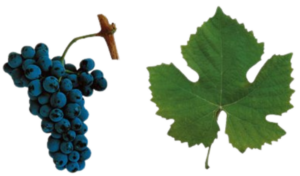
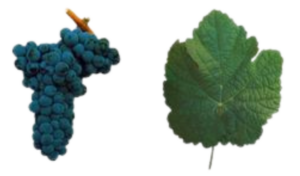
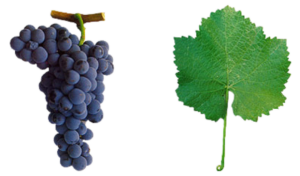
Touriga Nacional
Renowned for producing intense, full-bodied, and highly aromatic wines with excellent aging potential.
Blends for Ports, and is increasingly being used for table wine.
- This thick-skinned grape delivers deep ruby colors, firm velvety tannins, and distinct notes of violets, blueberries, rock rose, and cedar
- Douro, Dão, Tejo, Alentejo
- It pairs best with bold, fatty foods, including grilled meats (barbecue), roasted lamb, venison, or dishes with strong, savory sauces
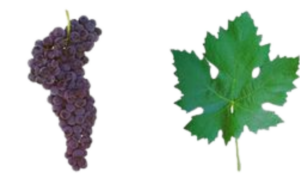
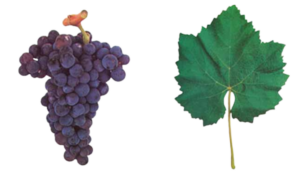
Touriga Franca
Renowned for producing intense, full-bodied, and highly aromatic wines with excellent aging potential.
Produces intense, deeply colored, and full-bodied red wines.
- Highly aromatic, often featuring black fruits (blackberry, cassis), red fruits (raspberry), violets, and rose petals, with occasional herbaceous or balsamic notes
- Douro, Dão
- Ideal with roasted meats, red meat dishes
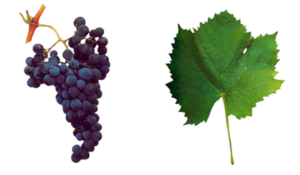
Tinta Roriz / Aragonês / Tempranillo
It is highly versatile, vigorous, and productive, thriving in hot, dry climates. Wines are typically deeply colored, structured, and aromatic, featuring notes of red/black fruits and spices.
- Characterized by red and black fruits, such as cherry and plum, with notes of spices, cinnamon, and sometimes tomato leaf or black olive
- Alentejo, Douro
- Pairs well with roasted meats, particularly pork and lamb, as well as charcuterie and spicy dishes
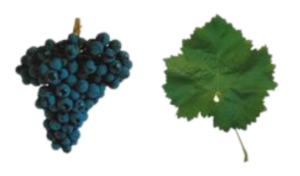
Tinta Barroca
It is used most often to make Port, as the grapes’ naturally high sugar levels make them extremely useful for fortified wine production.
They are most often planted on the cooler, higher slopes of the valley and on north-facing slopes
- Known for intense fruitiness, with notes of blackberry, plum, and dark cherry
- Douro
- Finely accompanies red meats, roast beef and grilled meats
Tinta Amarela / Trincadeira
Widely planted Portuguese red grape, renowned for producing intense, garnet-colored wines with high acidity, firm tannins, and complex aromas of black plum, raspberry, herbs, and spices.
- Offers vibrant red fruit (raspberry) and black fruits (plum) combined with vegetal, herbaceous, and spicy notes (cinnamon, clove)
- Alentejo, Dão, Douro
- It is used for dry table wines and is also an important grape in Port wine production
Alfrocheiro / Alfrocheiro Preto
Widely planted Portuguese red grape, renowned for producing intense, garnet-colored wines with high acidity, firm tannins, and complex aromas of black plum, raspberry, herbs, and spices.
- Vibrant aromatic profile of wild berries, such as blackberries, ripe strawberries, and sour cherry
- Bairrada, Tejo and Alentejo
- Pairs well with roasted meats (kid goat), game, and well-structured dishes.
Castelão (Periquita)
Castelão is one of Portugal’s most traditional and widely planted red grape varieties. Known for its resilience and ability to thrive in warm, dry climates, it plays an important role in the character of many southern Portuguese wines.
- Noted of red cherry and wild berries, herbal and
- Setúbal, Alentejo, Lisboa, Tejo
- Pairs best with grilled meats (especially pork and lamb), charcuterie and semi-cured cheeses
White Grapes Varieties
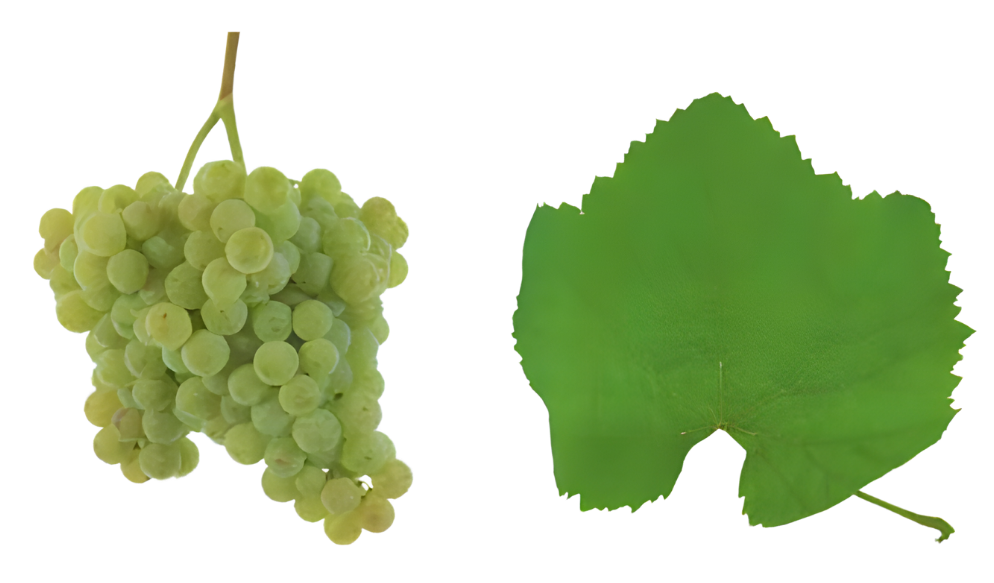
Alvarinho (Albariño)
Portugal’s most prestigious white grape varieties. It thrives in cooler Atlantic climates and is especially famous for its role in high-quality wines from the Minho region.
Alvarinho wines are typically vibrant, elegant, and expressive, combining citrus and stone-fruit aromas with a distinctive mineral character.
- Citrus (lemon, grapefruit), peach, apricot, orange blossom, and subtle tropical notes such as passion fruit, often with a mineral finish.
- Northern Portugal (Monção e Melgaço)
- Seafood, grilled fish, shellfish, sushi, light poultry dishes, and fresh salads.
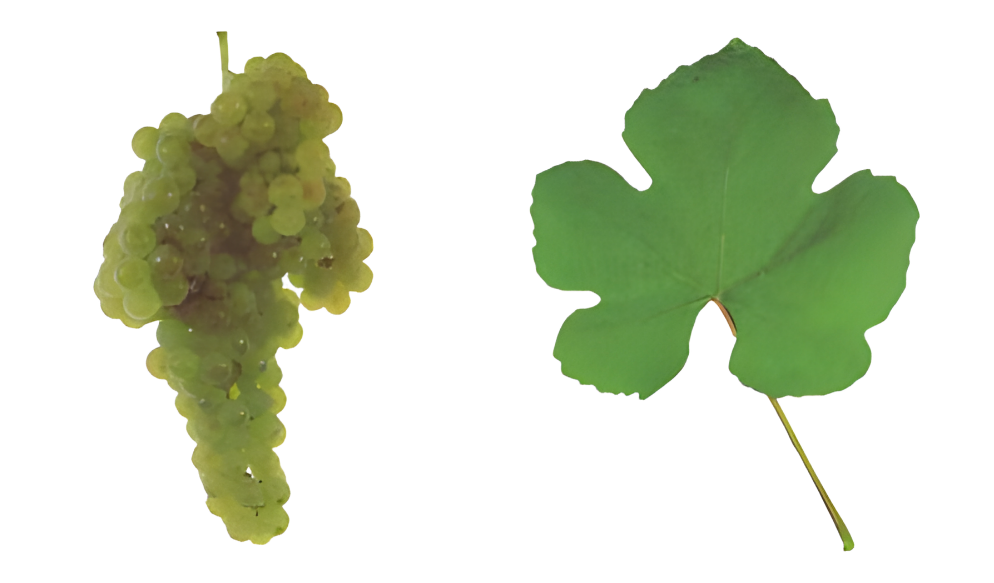
Loureiro
Prized for its intensely aromatic profile and fresh acidity. It is widely grown in northern Portugal and plays a key role in producing vibrant, elegant wines that highlight floral and citrus notes.
Loureiro wines are typically light, refreshing, and very expressive, making them particularly enjoyable when young.
- Floral notes (laurel, orange blossom), citrus (lime, lemon), green apple, and subtle herbal nuances.
- Northern Portugal (Lima Valley)
- Seafood, grilled fish, salads, fresh cheeses, and light Mediterranean dishes.
Encruzado
One of Portugal’s most refined white grape varieties, best known for producing elegant and complex wines with remarkable balance.
Native to central Portugal, it combines freshness with structure and has excellent ageing potential. Encruzado wines are often rich yet precise, showing both fruity and mineral characteristics, sometimes enhanced by subtle oak ageing.
- Lemon, pear, peach, white flowers, and delicate mineral notes, sometimes with hints of hazelnut or vanilla when aged in oak.
- Primarily associated with the Dão region in central Portugal.
- Grilled fish, seafood, roasted poultry, creamy dishes, and soft cheeses.
Arinto (Pedernã)
One of the country’s most versatile and respected white grape varieties.
It is valued for its naturally high acidity, freshness, and ability to produce elegant wines with excellent ageing potential. Arinto adapts well to different climates and soils, creating wines that are vibrant, structured, and often marked by a distinctive mineral character.
- Lemon, lime, green apple, grapefruit, with mineral and sometimes subtle nutty notes as the wine ages.
- Widely planted across Portugal, including Vinho Verde (where it is called Pedernã), Bucelas, and Tejo.
- Grilled fish, shellfish, seafood rice dishes, oysters, and lightly seasoned white meats.
Fernão Pires
Also known as Maria Gomes in some regions, is one of Portugal’s most widely planted white grape varieties. It is highly aromatic and produces wines that are fresh, floral, and fruit-forward. Fernão Pires is versatile, used both for young, easy-drinking whites and for more complex wines, including sparkling or lightly oaked styles.
- Citrus (lemon, orange), white flowers, tropical fruits (pineapple, lychee), and sometimes a hint of spice.
- Predominantly in Bairrada, Tejo, and Lisboa.
- Seafood, shellfish, fresh cheeses, salads, and lightly spiced dishes.
Malvazia
(Often called Malvasia Fina in Portugal) is a traditional white grape variety known for producing smooth, aromatic wines with a soft texture and balanced acidity.
Widely planted across several Portuguese regions, it contributes elegance and floral character to both single-varietal wines and blends. Malvasia wines are typically approachable and expressive, often showing a delicate combination of fruit and floral aromas.
- White flowers, peach, apricot, citrus, and subtle honeyed notes.
- Commonly found in Douro, Dão, and Beira Interior.
- Grilled fish, seafood, poultry dishes, creamy pasta, and mild cheeses.
Antão Vaz
Prominent Portuguese white grape variety known for producing rich, full-bodied wines with expressive fruit and good structure. Native to southern Portugal, it thrives in warm, sunny climates and is particularly associated with powerful yet balanced wines that often combine ripe fruit with fresh acidity.
- Ripe citrus, peach, melon, tropical fruit, and sometimes subtle honey or vanilla notes when aged in oak.
- Strongly associated with the Alentejo region in southern Portugal.
- Grilled fish, seafood stews, roasted poultry, and richer Mediterranean dishes.
"Vinho Verde"
Arinto (Pedernã)
One of the country’s most versatile and respected white grape varieties.
It is valued for its naturally high acidity, freshness, and ability to produce elegant wines with excellent ageing potential. Arinto adapts well to different climates and soils, creating wines that are vibrant, structured, and often marked by a distinctive mineral character.
- Lemon, lime, green apple, grapefruit, with mineral and sometimes subtle nutty notes as the wine ages.
- Widely planted across Portugal, including Vinho Verde (where it is called Pedernã), Bucelas, and Tejo.
- Grilled fish, shellfish, seafood rice dishes, oysters, and lightly seasoned white meats.
Alvarinho (Albariño)
Portugal’s most prestigious white grape varieties. It thrives in cooler Atlantic climates and is especially famous for its role in high-quality wines from the Minho region.
Alvarinho wines are typically vibrant, elegant, and expressive, combining citrus and stone-fruit aromas with a distinctive mineral character.
- Citrus (lemon, grapefruit), peach, apricot, orange blossom, and subtle tropical notes such as passion fruit, often with a mineral finish.
- Northern Portugal (Monção e Melgaço)
- Seafood, grilled fish, shellfish, sushi, light poultry dishes, and fresh salads.
Loureiro
Prized for its intensely aromatic profile and fresh acidity. It is widely grown in northern Portugal and plays a key role in producing vibrant, elegant wines that highlight floral and citrus notes.
Loureiro wines are typically light, refreshing, and very expressive, making them particularly enjoyable when young.
- Floral notes (laurel, orange blossom), citrus (lime, lemon), green apple, and subtle herbal nuances.
- Northern Portugal (Lima Valley)
- Seafood, grilled fish, salads, fresh cheeses, and light Mediterranean dishes.
Trajadura
Traditional white grape variety valued for its elegance and balance. It is commonly used in blends to add body, smoothness, and subtle fruit character to fresher and more aromatic wines. Trajadura typically produces approachable wines with moderate acidity and a soft texture.
- Apple, pear, peach, and delicate citrus notes with subtle floral hints.
- Widely grown in the Vinho Verde region in northern Portugal and also across the border in Ribeiro where it is known as Treixadura.
- Seafood, grilled fish, light poultry dishes, salads, and mild cheeses.
Fortified Wine
Moscatel
Moscatel is one of the oldest and most aromatic grape families in the world, known for producing intensely perfumed wines with distinctive floral and fruity aromas. In Portugal, it is especially famous for both fresh aromatic whites and rich fortified wines. Moscatel wines are typically expressive, smooth, and very approachable.
- Orange blossom, grape, honey, peach, citrus, and sometimes dried fruit.
- Particularly associated with Setúbal Peninsula (home of Moscatel de Setúbal) and also grown in the Douro.
- Fruit desserts, pastries, blue cheeses, foie gras, and also enjoyable as a dessert wine on its own.
Touriga Franca
Renowned for producing intense, full-bodied, and highly aromatic wines with excellent aging potential.
Produces intense, deeply colored, and full-bodied red wines.
- Highly aromatic, often featuring black fruits (blackberry, cassis), red fruits (raspberry), violets, and rose petals, with occasional herbaceous or balsamic notes
- Douro, Dão
- Ideal with roasted meats, red meat dishes
Touriga Franca
Renowned for producing intense, full-bodied, and highly aromatic wines with excellent aging potential.
Produces intense, deeply colored, and full-bodied red wines.
- Highly aromatic, often featuring black fruits (blackberry, cassis), red fruits (raspberry), violets, and rose petals, with occasional herbaceous or balsamic notes
- Douro, Dão
- Ideal with roasted meats, red meat dishes
Looking for a different experience?
Share with us what inspires you, and Yellow Cab TT Tours will craft a bespoke wine journey tailored to your desires — an elegant experience designed to capture unforgettable moments while you savour the finest wines and landscapes Portugal has to offer.